 Seminole Siding
 Roof Replacement in Belleair: Built for Where You Actually Live
Belleair sits close to the water in Pinellas County, tucked between Clearwater Harbor and the Gulf, which means homes here take a different kind of beating than roofs ten or fifteen miles inland. The combination of salt-laden air, near-constant UV exposure, wind-driven rain, and the real possibility of hurricane-force gusts means a roof that would hold up fine in a landlocked subdivision can fail early here if it wasn't built for coastal conditions in the first place. A roof replacement in Belleair isn't just a bigger version of a roof repair — it's a chance to correct whatever the original roof got wrong and put something on the house that's actually matched to this environment.
This page covers what a Belleair roof replacement should include, what tends to go wrong when it's done by a crew that doesn't work this area regularly, and how we approach the job from tear-off to final inspection.
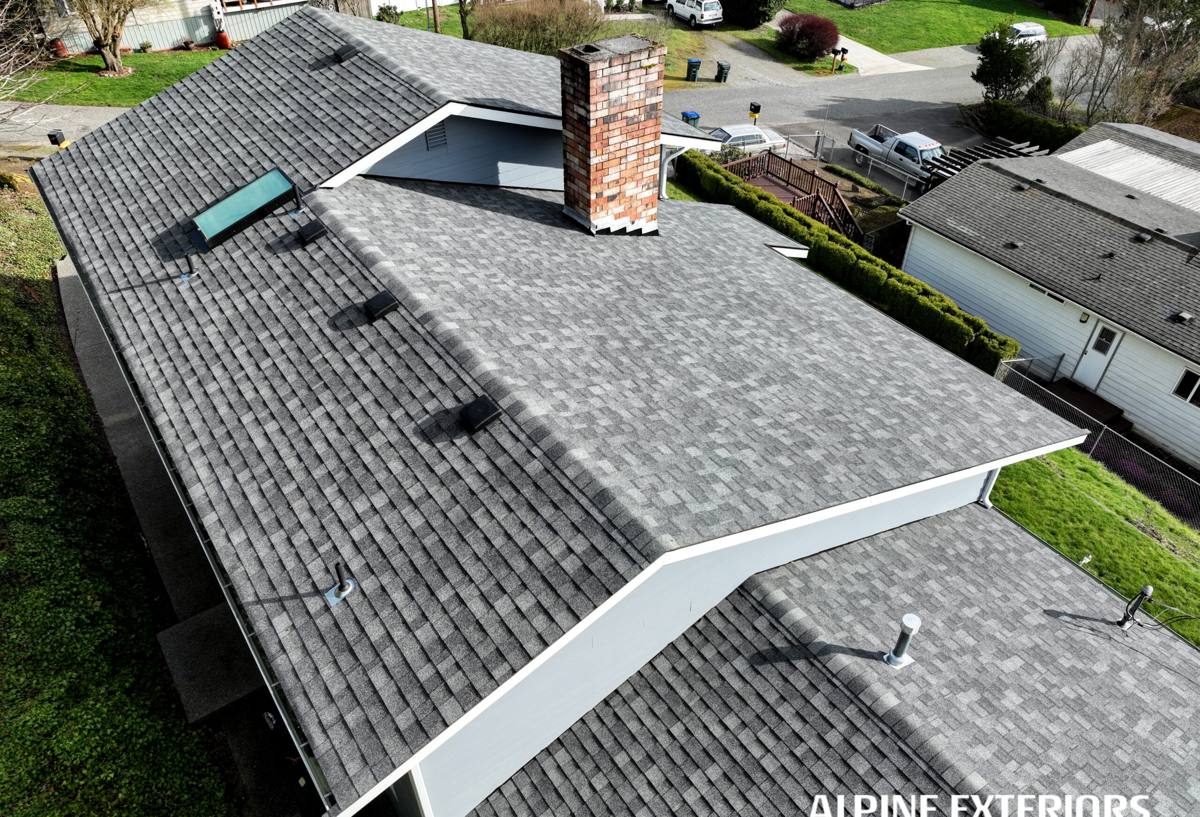
What Belleair's Climate Does to a Roof
Every roofing decision on this page traces back to four stressors that hit Belleair roofs harder than most:
Hurricane and Tropical-Storm Wind
Being close to the coast means Belleair roofs see higher sustained winds and sharper gusts during tropical systems than homes further inland. Wind doesn't just tear off loose shingles — it gets under edges and ridge caps, works into fastener holes, and finds every spot where the original install cut a corner. A roof that's marginal on wind resistance shows it first at the perimeter: eaves, rakes, and ridge.
Intense, Year-Round UV
Florida's sun doesn't take a season off. UV breaks down asphalt oils in shingles, dries out sealant strips, and accelerates the aging of underlayment faster than in most of the country. A roof rated for a 25- or 30-year lifespan in a moderate climate often doesn't get anywhere close to that here without the right materials and ventilation.
Wind-Driven Rain
Rain that comes in sideways during a storm doesn't behave like rain falling straight down. It gets pushed up under shingle tabs, through poorly sealed flashing, and into any gap in the underlayment. Roofs near the coast need water barriers designed for lateral intrusion, not just standard felt paper doing the bare minimum.
Salt Air
Proximity to the Gulf and the Intracoastal means airborne salt settles on roofing materials and metal components continuously. Salt accelerates corrosion on exposed fasteners, flashing, and any metal roofing components that aren't rated for coastal exposure. It also degrades sealants and adhesives faster than in inland areas.
Signs a Belleair Roof Is Due for Replacement, Not Another Repair
Not every roof problem calls for a full replacement, but there's a point where patching stops making financial sense. Signs it's time to talk replacement rather than another repair visit:
- Shingles that are cupping, curling, or losing granules across large sections rather than one isolated spot
- Soft spots or sagging in the roof deck when walked, which usually means water has reached the wood
- Recurring leaks in different locations after each storm, rather than one consistent trouble spot
- Visible daylight through the attic roof boards, or water stains spreading across multiple rafters
- A roof that's 18-20+ years old and has been through several named storms without a full replacement
- Rising energy bills tied to poor attic ventilation or failing radiant barrier under an aging roof
- An insurance company flagging the roof's age or condition during a policy renewal or new-policy inspection
What a Correct Roof Replacement Actually Involves
A roof replacement done right is a sequence, and skipping steps is exactly how coastal roofs fail early. Here's what should happen on every job, not just the ones where someone's paying close attention:
Full Tear-Off, Not Overlay
Layering new shingles over old ones hides existing deck damage, traps moisture, and voids most manufacturer warranties. A proper replacement strips the roof down to the deck so every board can actually be inspected.
Deck Inspection and Repair
Any rotted, delaminated, or soft decking gets replaced before anything new goes down. Nailing new shingles over compromised decking is one of the most common shortcuts that leads to early failure, and it's invisible until the next leak.
Water Barrier Upgrade
Given how much wind-driven rain this area sees, we treat underlayment as a real second line of defense, not an afterthought. That includes self-adhering waterproof membrane at eaves, valleys, and roof penetrations — the spots wind-driven rain actually exploits.
Flashing Done Properly
Chimneys, walls, skylights, and vent penetrations all need new, correctly formed flashing — not caulk smeared over old metal. Reused flashing is one of the top causes of "mystery" leaks after a roof replacement.
Fasteners and Attachment Rated for Wind
Nailing pattern and fastener count matter as much as the shingle itself for wind performance. This is one of the areas Florida Building Code is specific about, and it's not optional in a coastal county like Pinellas.
Ventilation That Actually Works
Balanced intake and exhaust ventilation keeps attic temperatures down, extends shingle life, and reduces the moisture buildup that leads to deck rot. A new roof installed over a poorly ventilated attic will underperform no matter how good the shingles are.
Roofing Material Options for Belleair Homes
There's no single "best" roofing material for every Belleair home — it depends on the house, the budget, and how long you plan to own it. Here's an honest comparison of the main options we install:
| Material | Coastal Wind/Salt Performance | Typical Lifespan | Maintenance |
|---|---|---|---|
| Architectural Asphalt Shingles | Good, when installed with coastal-rated underlayment and fastening | 20-30 years | Low to moderate |
| Standing-Seam Metal | Excellent wind uplift resistance; needs coastal-rated fasteners and coatings for salt exposure | 40-50+ years | Low |
| Concrete or Clay Tile | Very good wind and salt resistance; heavier, requires structural check | 40-50+ years | Moderate (underlayment replacement mid-life) |
| 3-Tab Asphalt Shingles | Weakest wind rating of common options | 15-20 years | Low, but shorter service life |
We don't push one product on every roof. We explain the real trade-offs — upfront cost, weight and structural considerations, appearance, warranty structure, and how each material actually holds up to salt air and wind over time — and let the homeowner decide with accurate information.
Permits, Code, and Wind Mitigation in Pinellas County
Roof replacements in Belleair require a permit through the appropriate Pinellas County or municipal building department, and the work has to meet current Florida Building Code wind-resistance requirements — not the code that was in place when the old roof went on. That means updated fastening schedules, underlayment requirements, and inspection sign-offs.
It's also worth getting a wind mitigation inspection done after the new roof is installed. Insurance carriers in Florida offer real premium credits for roofs that meet current wind-resistance standards, and a lot of homeowners leave that savings on the table simply because no one told them to request the inspection.
Our Roof Replacement Process
- On-site inspection and honest assessment — we look at the deck, attic ventilation, flashing, and overall roof condition before recommending replacement over repair.
- Written estimate with material options — clear pricing, no pressure, and a straightforward explanation of what each material option means for your specific roof.
- Permitting — we pull the required permit and schedule inspections through the local building department.
- Tear-off and deck inspection — old roofing removed, deck checked and repaired as needed.
- Water barrier and flashing installation — coastal-rated underlayment and properly formed flashing at every penetration.
- New roofing installed to code — correct fastening pattern, ventilation, and manufacturer specifications for wind and warranty compliance.
- Final walkthrough and cleanup — magnetic sweep for debris, full site cleanup, and a walkthrough so you know exactly what was done.
Cost Factors for a Belleair Roof Replacement
Every roof is different, but these are the variables that move the price up or down on most jobs:
| Factor | Why It Matters |
|---|---|
| Roof size and pitch | More surface area and steeper pitches mean more material and labor time |
| Deck condition | Rotted or delaminated decking has to be replaced before new roofing goes down |
| Material choice | Asphalt, metal, and tile carry very different material and labor costs |
| Number of penetrations | Chimneys, skylights, and vents each require individual flashing work |
| Layers of existing roofing | Multiple old layers add tear-off labor and disposal cost |
| Access and roof complexity | Steep slopes, multiple valleys, or limited access add labor time |
We give a firm, written number after seeing the actual roof — not a ballpark over the phone that changes once the crew shows up.
Why a Crew That Already Works in Belleair Matters
A roofing crew that regularly works in Belleair and the surrounding Pinellas County coastal communities already knows the local permitting process, the current wind-resistance code requirements, and what materials actually perform well this close to the water. That familiarity shows up in fewer permit delays, fewer callbacks for missed flashing details, and a roof that's built for the conditions it's actually going to face — not generic conditions from a training manual written for a different climate. It also means we're not guessing about how salt air and storm exposure affect long-term performance; it's what we see and address on every roof we work on in this area.
If your roof is showing its age, took a hit in a recent storm, or you're just trying to get ahead of a problem before it becomes an emergency, we'll come take a look and give you a straight answer. Reach out for a free, no-pressure estimate using the form below.