 Seminole Siding
 Board & Batten Siding on a Barrier Island: What's Different in Madeira Beach
Madeira Beach homes sit about as close to the Gulf as a house in Pinellas County can get, and that proximity changes what "good siding" means. A vertical board and batten profile is one of the most popular looks on the beach side of Seminole right now — it reads as coastal cottage or modern farmhouse depending on the trim and color, and it holds up visually on the narrow lots and elevated homes common near the water. But the same wind, salt, and sun that make the view worth living here are also the three things that end a poorly built board and batten job early. We install this profile constantly in this stretch of Pinellas County, and the details that matter on a barrier island are not the same details that matter ten miles inland.
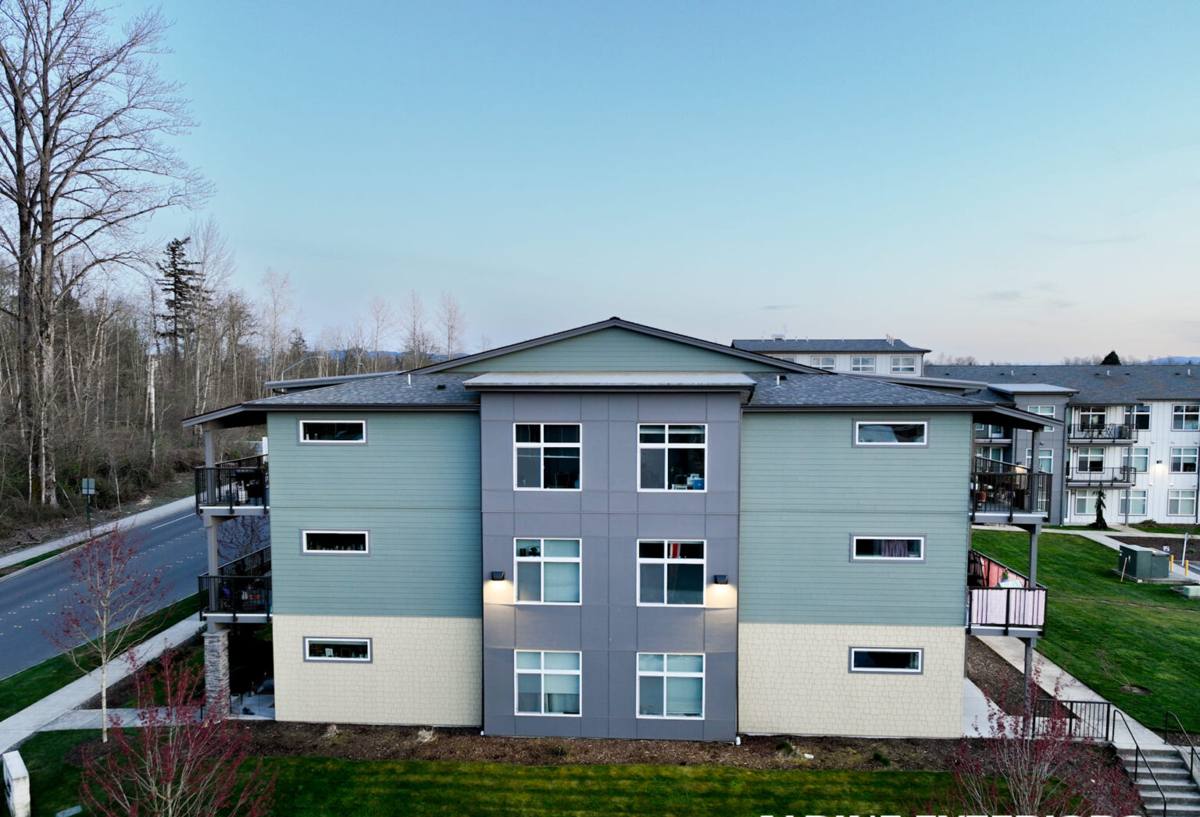
What Madeira Beach's Climate Actually Does to a Board & Batten Wall
Wind-Driven Rain and Batten Seams
Board and batten siding has more vertical seams per square foot than horizontal lap siding, because every batten strip covers a joint between boards. Each of those seams is a potential water entry point. In a typical inland neighborhood, that's a minor consideration. On a barrier island exposed to tropical storms and Gulf-driven squalls, wind-driven rain gets pushed sideways and upward under normal gravity-flow assumptions, so a batten job that relies on caulk alone at the seams instead of proper water-resistive barrier detailing and flashing is a slow leak waiting to happen.
Salt Air and Fastener Corrosion
Homes within a mile or two of the Gulf take on salt-laden air that accelerates corrosion of anything metal — fasteners, flashing, trim screws. Board and batten has more exposed fastener runs than lap siding because the battens themselves are face-nailed or blind-nailed in a repeating pattern. Using the wrong fastener metallurgy here shows up as rust streaking and loosening boards years before the siding itself would otherwise fail.
UV Load on Vertical Surfaces
Florida's year-round sun is intense everywhere in the county, but vertical board and batten surfaces facing south and west take a direct hit for more hours of the day than a shaded horizontal wall might. Paint and factory finishes that aren't engineered for sustained UV exposure chalk, fade unevenly, and become the first visible sign of a siding job aging poorly — usually well before the material underneath has any structural problem.
Wind Uplift and Fastening Schedule
Madeira Beach falls within Pinellas County's high-velocity hurricane zone considerations, and board and batten's vertical battens create long, narrow panels that can catch wind uplift differently than horizontal lap boards. Fastener spacing and type aren't a place to cut corners here — it's the difference between siding that stays put in a tropical storm and siding that peels off a wall.
Why We Only Install James Hardie for This Application
Board and batten is sold in wood, engineered wood, vinyl, and fiber cement versions, and we've made a deliberate choice to install James Hardie fiber cement exclusively — on this profile in particular, the material choice matters more than usual because of how much seam and fastener exposure the profile has.
- Non-combustible core: Hardie's fiber cement won't ignite from embers or radiant heat, which matters on tightly packed beach lots.
- Dimensionally stable in humidity swings: Fiber cement doesn't swell and shrink with Gulf humidity the way wood-based battens can, which keeps seams tighter over time.
- ColorPlus factory finish: A baked-on finish formulated to resist UV fade and salt exposure, rather than a field-applied paint that starts degrading the moment it's exposed to the coast.
- HZ10 product line: Hardie engineers specific formulations for high-humidity, coastal climate zones — Pinellas County falls squarely in that category.
- Transferable warranty: A real, honored manufacturer warranty backs the material itself, separate from our own workmanship warranty.
We won't put vinyl board and batten on a Madeira Beach home — it softens and warps under sustained direct sun and doesn't have the wind rating this location calls for. We won't put unprimed or site-primed wood battens up either — the maintenance cycle on real wood this close to salt air is more paint and caulk than most homeowners want to sign up for. Fiber cement, installed correctly, is the one system built to actually shrug off what this location throws at it.
What a Correct Board & Batten Installation Involves
Water-Resistive Barrier First
Before a single board goes up, the wall gets a continuous water-resistive barrier, properly lapped and taped at seams. This is the layer that actually keeps water out if wind-driven rain gets past the siding face — the siding itself is the first line of defense, not the only one.
Flashing at Every Penetration
Windows, doors, hose bibs, light fixtures, and any other wall penetration need proper flashing integrated with the water-resistive barrier before trim and battens go on. Skipping this step is invisible on installation day and shows up as a leak two or three years later.
Batten Spacing and Fastening
Battens need consistent spacing for both appearance and function, with fasteners set to Hardie's specified pattern and depth — not overdriven, not underdriven. Overdriven nails crack the fiber cement's fastening zone; underdriven nails leave boards loose in high wind.
Coastal-Grade Fasteners
Given the salt air exposure this close to the Gulf, we use fasteners rated for coastal corrosion resistance rather than standard-grade options. It costs more up front and prevents the rust-streak problem down the line.
Caulking and Sealant as a Backup, Not the Plan
Sealant at trim and butt joints is part of a correct install, but it's the last layer of defense, not the water management strategy. If a job depends on caulk to stay dry, it's built wrong from the start.
Cost Factors for Board & Batten in a Coastal Application
| Factor | Why It Affects Cost Here |
|---|---|
| Home elevation and access | Many Madeira Beach homes are elevated or built close to seawalls, which affects staging and scaffolding |
| Existing wall condition | Salt air can hide moisture damage under old siding that needs remediation before new siding goes on |
| Fastener and flashing grade | Coastal-rated hardware costs more than standard-grade but is not optional this close to the Gulf |
| Trim complexity | Board and batten's corner and window trim detailing takes more labor time than plain lap siding |
| HZ10 vs standard Hardie formulation | The climate-specific product line costs slightly more but is the right spec for this zone |
Our Process for a Madeira Beach Board & Batten Project
- On-site inspection of the existing wall assembly, looking specifically for prior moisture intrusion common in coastal homes
- Written estimate that spells out water-resistive barrier, flashing detail, fastener grade, and Hardie product line — not just a square footage price
- Removal of old siding and inspection of sheathing before anything new goes up
- Water-resistive barrier and flashing installation, inspected before boards are hung
- Board and batten installation to Hardie's fastening and clearance specifications
- Final walkthrough covering warranty paperwork and maintenance expectations
What to Check Before Hiring a Crew for This Job
- Ask whether they've installed board and batten specifically in a coastal Pinellas zip code, not just lap siding generally
- Ask what water-resistive barrier and flashing products they use, and get it in writing on the estimate
- Confirm the fastener grade — coastal-rated hardware should be specified, not assumed
- Ask which Hardie product line they'll spec (HZ10 for this climate zone) and why
- Check that both a manufacturer material warranty and a separate workmanship warranty are offered
- Get references or examples of work completed on the beach side of the county, not just inland jobs
Why Local Experience on the Beach Side Matters
A crew that mostly works inland Seminole or further into Pinellas County can install board and batten competently and still get the coastal details wrong, simply because they don't run into salt air corrosion or wind-driven rain exposure often enough for it to be second nature. A crew that regularly works Madeira Beach and the surrounding barrier island communities treats water-resistive barrier detailing, coastal fastener grade, and HZ10 specification as standard procedure, not an upgrade someone has to think to ask for. That's the difference between siding that looks right on installation day and siding that's still performing right after a few hurricane seasons.
If you're weighing board and batten siding for a home in Madeira Beach, we're happy to walk the property, look at what's there now, and give you a straight, no-pressure estimate built around what this specific location needs. Fill out the form below to get started.