 Seminole Siding
 Clearwater's Climate Is Hard on Siding
Clearwater sits close enough to the Gulf that salt-laden air reaches homes well inland of the beach on a regular basis. Combine that with Florida's intense, nearly year-round UV exposure, summer storm systems that drive rain sideways into wall assemblies, and the real possibility of hurricane-force wind gusts, and exterior siding in this part of Pinellas County works harder than it does almost anywhere else in the country. A material that performs fine in a drier, calmer climate can start showing problems here within a few years — warping, chalking, soft spots, or corroding fasteners. That reality shapes every recommendation we make to homeowners in the Clearwater area, and it's the reason we install one specific siding system rather than offering a menu of options.
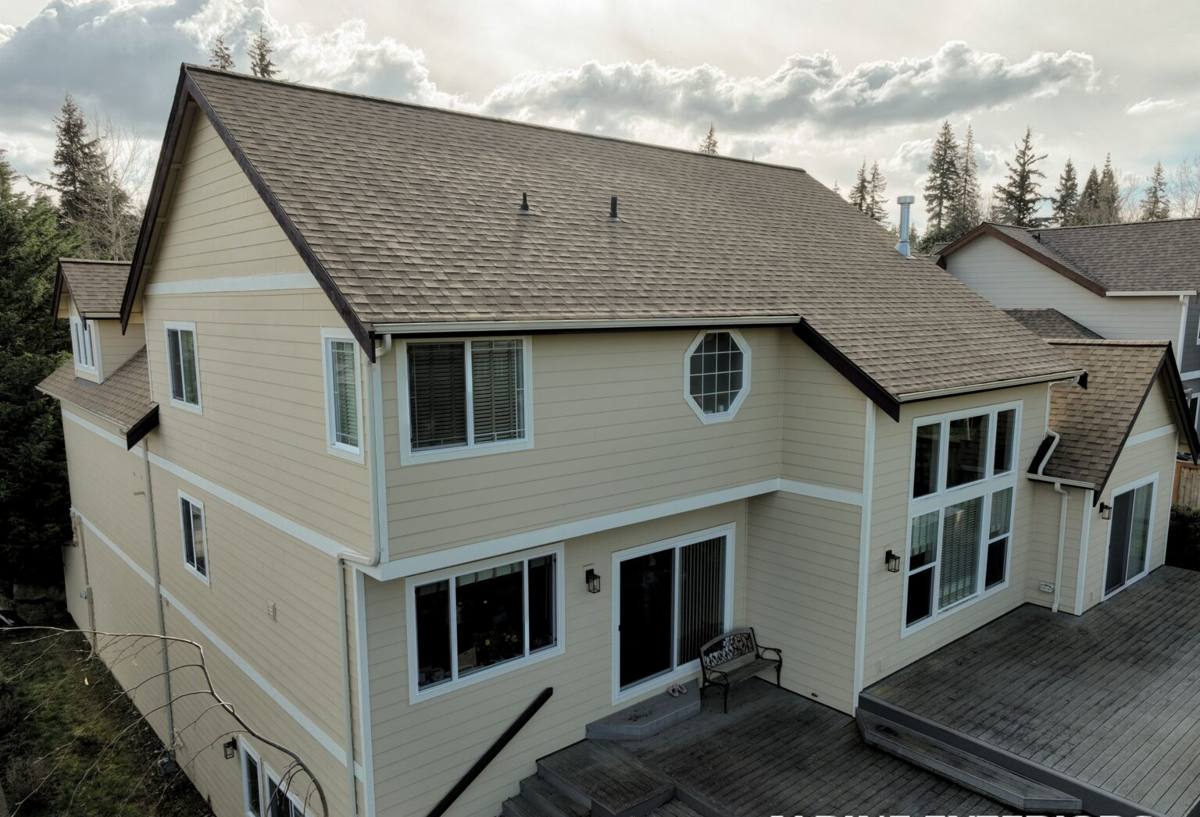
Why We Only Install James Hardie Fiber Cement
James Hardie fiber cement siding is made from cement, sand, and cellulose fibers, pressed and cured into a dense, non-combustible board. It doesn't feed a fire, it doesn't absorb and swell with moisture the way wood-based products can, and Hardie's HZ5 product line is specifically engineered for hot, humid, storm-prone climates like ours. The factory-applied ColorPlus finish is baked on under controlled conditions, which gives it far better UV and fade resistance than a field-applied paint job.
We don't install vinyl siding, LP SmartSide, Cemplank, Allura, or primed wood products like spruce or cedar. Each of those has legitimate uses elsewhere, but each also comes with a real-world trade-off — moisture sensitivity, softer impact resistance, more frequent repainting, or installation tolerances that are easy to get wrong — that we're not willing to put behind our name on a Gulf Coast home. Fiber cement from James Hardie, installed correctly, is the product we've found holds up to this specific climate without asking homeowners to gamble on it.
How Wind, Rain, UV, and Salt Air Each Affect Siding
Wind and Windborne Debris
Pinellas County homes need siding that can take direct wind loading and the occasional impact from wind-driven debris without cracking or pulling loose. Fiber cement's density gives it real resistance to both, but only if it's fastened to the manufacturer's nailing pattern — an under-fastened board is a liability no matter how good the material is.
Wind-Driven Rain and Moisture
Florida storms rarely drop rain straight down. When wind pushes rain sideways into a wall, the siding, the joints between boards, and the flashing details around windows and penetrations all have to work together to keep water out of the wall assembly. Fiber cement itself resists water absorption well, but a sloppy installation with poor flashing or caulking can undo that advantage entirely.
UV Exposure and Fading
Florida sun is relentless on exterior finishes. Standard field-applied paint on wood or engineered wood siding tends to chalk and fade within a handful of years under this kind of sun load, which means repainting on a recurring cycle. A factory-cured ColorPlus finish is formulated to resist that fading far longer.
Salt Air and Corrosion
Coastal-adjacent air carries fine salt particles that accelerate corrosion on metal fasteners, trim, and flashing. Fiber cement board itself isn't affected by salt the way some materials are, but the fasteners, flashing, and hardware used with it need to be corrosion-resistant and rated for the application, or they become the weak point in an otherwise sound installation.
What a Correct Fiber Cement Installation Involves
Fiber cement is only as good as the installation behind it. James Hardie publishes detailed installation requirements, and skipping steps to save time is where most siding failures actually start — not with the product itself.
| Installation Detail | Correct Practice | Common Corner-Cut |
|---|---|---|
| Fastening | Manufacturer-specified nail pattern, depth, and spacing | Fewer fasteners, wrong spacing, or overdriven nails |
| Clearance from grade/roofline | Minimum gaps maintained per Hardie spec | Boards installed too close to grade, decks, or roofing |
| Joints and seams | Properly flashed or caulked per manufacturer detail | Butt joints caulked only, with no flashing behind |
| Weather barrier | Continuous house wrap installed and lapped correctly | Reused or torn wrap, gaps left around penetrations |
| Fasteners and hardware | Corrosion-resistant, rated for coastal exposure | Standard fasteners not rated for salt air |
Every one of these details matters more in Clearwater than it would inland, simply because wind, rain, and salt air punish shortcuts faster here.
Our Process for Clearwater-Area Siding Projects
When we take on a fiber cement project in the Clearwater area, we follow the same sequence on every home:
- On-site inspection of the existing siding and wall assembly, including a check for hidden moisture damage behind the current material
- Removal of the old siding down to the sheathing, so nothing gets covered up rather than addressed
- Repair of any damaged sheathing or framing found underneath before new material goes on
- Installation of a continuous, properly lapped weather-resistant barrier
- Installation of James Hardie siding per manufacturer specification and local wind-zone requirements, including trim, flashing, and joint treatment
- Caulking and touch-up at cut edges and joints using compatible, paintable sealant
- Final walk-through with the homeowner before we consider the job finished
Skipping the tear-off step is a common shortcut on siding jobs generally — installing new material directly over old siding hides problems instead of fixing them, and it's not something we do.
What Affects the Cost of a Fiber Cement Siding Project
Every home is different, so we don't quote a project without seeing it, but the same handful of factors drive cost on almost every job:
| Factor | Why It Matters |
|---|---|
| Home size and wall area | More square footage means more material and labor |
| Siding profile | HardiePlank lap siding, HardiePanel, and shingle-style profiles have different material and labor costs |
| Condition underneath | Sheathing or framing repairs add time and material before new siding goes on |
| Trim and architectural detail | Corners, gables, and window trim take more precise cutting and fitting |
| Accessories | Soffit, fascia, and frieze board work often gets bundled into a full exterior job |
| Access and stories | Multi-story sections or tight lot access can add labor time |
Signs Your Current Siding Is Already Failing
In this climate, siding problems tend to show up gradually, then get worse quickly once moisture gets behind the material. Worth checking for:
- Soft or spongy spots when you press on the siding, especially near the bottom of walls
- Paint that keeps peeling or bubbling in the same spots no matter how often it's redone
- Visible warping, buckling, or boards pulling away from the wall
- Gaps opening up at seams or around trim
- Dark staining or streaking near joints, which often points to water tracking behind the material
- Rising cooling bills, which can indicate moisture or air infiltration through failing siding
Any one of these is worth a professional look before it turns into a sheathing or framing repair.
Why a Crew That Already Works in Clearwater Matters
Siding work in this part of Pinellas County isn't identical to siding work in a drier, calmer climate, and it helps to hire a crew that already knows the difference. Local installers are familiar with the wind-zone and code requirements that apply to exterior work in the area, understand how to detail siding around the mix of block and frame construction common in Florida homes, and know what kind of exposure a given property actually gets based on its distance from the water and its orientation. That local familiarity shows up in the small decisions — fastener choice, flashing details, joint placement — that determine whether a siding job holds up through its first few hurricane seasons or starts failing early.
Caring for Fiber Cement Siding on the Gulf Coast
Fiber cement is low-maintenance compared to wood-based alternatives, but "low-maintenance" isn't "no-maintenance" in a coastal-adjacent climate. A periodic rinse-down helps clear salt residue and airborne grime before it builds up. Caulked joints are worth a visual check once a year, since caulk is the one component that ages faster than the board itself. After any significant storm, a quick look for cracked boards, loose trim, or damaged flashing is worth the time — catching a small problem early is a lot cheaper than repairing water damage behind the wall later. Because the ColorPlus finish is factory-cured, most homeowners won't need to repaint on the schedule they would with field-painted siding, but it's still worth keeping an eye on high-exposure elevations that face the most direct sun and weather.
If your Clearwater-area home's siding is showing wear, or you're planning ahead for a replacement, we're happy to take a look and walk you through what we're seeing — no pressure, no obligation. The form below gets you a free estimate from a crew that already works in this area.