 Seminole Siding
 What "New-Construction Windows" Actually Means
In the window trade, "new-construction" doesn't just mean a brand-new house. It refers to a specific type of window with a nailing flange (also called a nail fin) built around the frame. That flange gets fastened directly to the wall sheathing and integrated with the house wrap and flashing before siding goes on. It's a different animal from an insert or "pocket" replacement window, which slides into an existing frame and leans on the old opening for its structure.
For homeowners in Clearwater and around Seminole, this distinction matters most in three situations: building a new home, adding a room, or doing a full siding tear-off down to the studs. When the wall is already open, you have a rare chance to build the opening correctly from scratch instead of working around whatever's already there. We treat that as an opportunity, not just a window swap.
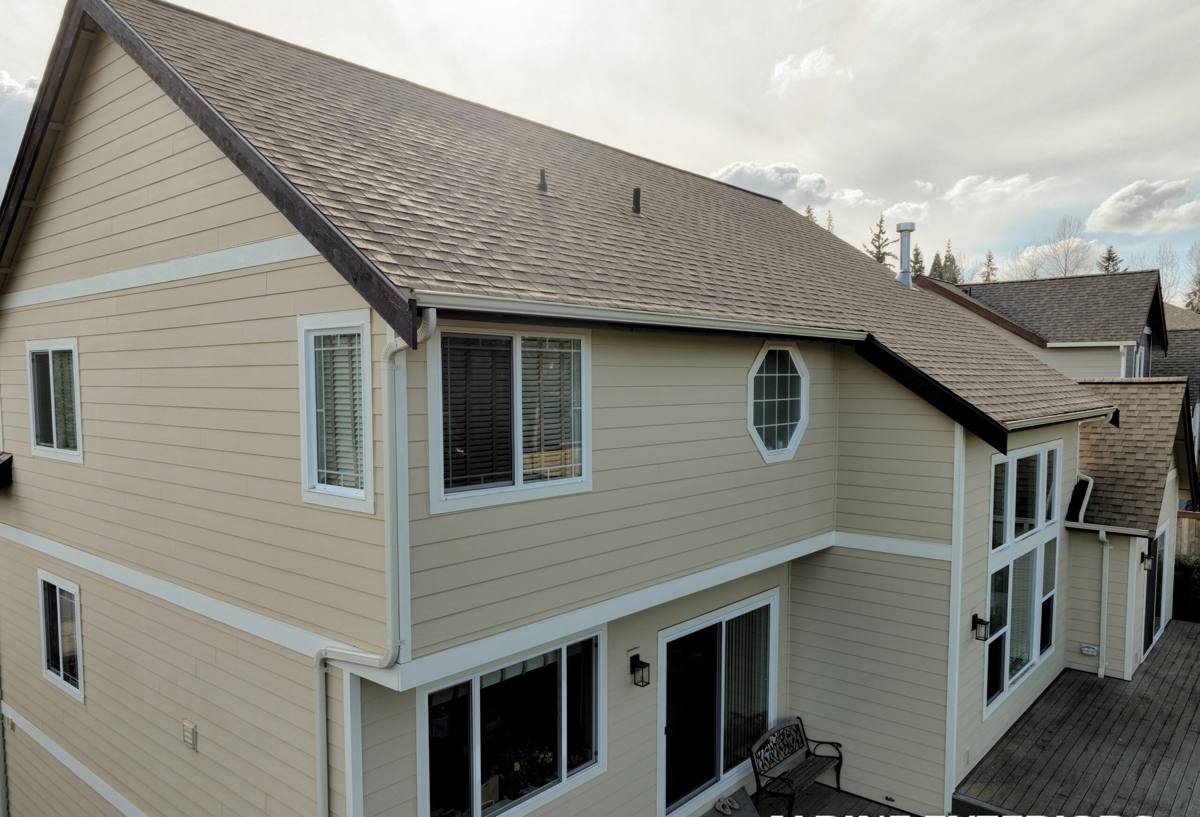
What Clearwater's Climate Puts These Windows Through
Pinellas County sits in a wind-borne debris region, and Clearwater's proximity to the Gulf means every opening in a home's envelope has to hold up against a specific combination of stresses. New-construction windows here need to be selected and installed with all of the following in mind, not just one or two.
Hurricane-Force Wind and Pressure Cycling
Windows aren't just pushed on by wind — they're pulled and flexed as gusts cycle during a storm. A window that isn't rated for the design pressures typical of this area can deflect, lose its seal, or fail outright well before the glass itself breaks.
Intense, Year-Round UV
Florida sun is hard on vinyl, seals, and glazing compounds every day of the year, not just in summer. UV breaks down inferior sealants and can cause frame discoloration or warping over time if the materials weren't chosen for sustained sun exposure.
Wind-Driven Rain
Straight-down rain is easy to shed. Rain pushed sideways under pressure, which is normal during Gulf storms, finds any weak point in flashing or sealant and drives water behind the wall assembly. Most window water intrusion we're called out to fix traces back to flashing details, not the window unit itself.
Salt Air Corrosion
Being close to the coast means airborne salt settles on hardware, fasteners, and metal components year-round. Cheaper fasteners and unprotected metal parts corrode faster here than they would inland, which is why fastener and hardware choice matters as much as the window brand.
Florida Building Code Requirements for New Openings
Pinellas County isn't in the state's High-Velocity Hurricane Zone (that's Miami-Dade and Broward), but it is squarely within the wind-borne debris region under the Florida Building Code, and Seminole and Clearwater both enforce that code through their local permitting process. In practice, that means new or replaced openings generally need one of two things:
- Impact-rated windows with laminated glass rated for the wind pressures your home's location, height, and exposure require
- Non-impact windows paired with code-compliant hurricane shutters or panels that can be deployed before a storm
Which design-pressure rating applies to a given opening depends on the home's height, roof shape, and exposure category — a window on a gable end takes different loading than one under a covered porch. This is engineering, not guesswork, and it's why we pull permits and confirm ratings for each opening rather than treating every window on the house the same.
What a Correct Installation Actually Involves
The window unit itself is only part of the job. Most long-term failures we see in this area come from installation shortcuts, not bad windows. A correct new-construction install includes:
- Squaring and prepping the rough opening before the window ever goes in
- A sloped sill pan flashing so any water that gets past the window drains back out, not into the wall
- Weather-resistant barrier integrated with the flashing in proper shingle-lap order, so water sheds downward at every layer
- Nailing fin fastened per the manufacturer's pattern and spacing — skipping fasteners is a common shortcut that shows up later as leaks or movement
- Sealants that are chemically compatible with both the window frame and the WRB (mixing incompatible products is a real cause of premature seal failure)
- Proper insulation of the gap between frame and rough opening — overfilling with expanding foam can bow a frame and cause the window to bind or leak
- Interior and exterior sealing and trim finished to shed water away from the opening
Skip any one of these and the window can still look fine for a year or two before a problem shows up. That lag is exactly why installation quality is hard for a homeowner to judge just by looking at the finished product.
Choosing Frame Material and Glass for This Climate
There's no single "best" window for every home — it depends on budget, exposure, and how much maintenance you want to take on. Here's how the common frame materials compare for Clearwater-area conditions:
| Frame Material | Salt Air / Corrosion | Heat & UV Behavior | Maintenance |
|---|---|---|---|
| Vinyl | Not affected by salt corrosion | Can expand/contract with heat; quality varies by manufacturer | Low — no painting or sealing |
| Aluminum | Prone to corrosion unless properly coated/anodized | Conducts heat readily; strong for large openings | Moderate — coatings need to hold up over time |
| Fiberglass | Excellent corrosion resistance | Expands/contracts close to glass, reducing seal stress | Low, higher upfront cost |
On the glass side, impact-rated laminated glass is the most common path to code compliance without relying on shutters, and it has the side benefit of blocking a significant amount of UV and street noise. Low-E coatings help control solar heat gain, which matters for both comfort and cooling costs in a house that gets sun most of the year. We'll go over these options against your actual budget rather than pushing the most expensive package by default.
Our New-Construction Window Process
Whether it's a full new build, an addition, or a wall opened up for a siding replacement, our process for new-construction windows follows the same sequence:
- Site visit to measure openings and review the wall assembly and exposure
- Wind-pressure and code review for each opening, and permit pull with the local jurisdiction
- Product selection walkthrough — frame material, glass package, and impact vs. shutter approach
- Rough opening prep and flashing installation before any window is set
- Window installation with fastening per manufacturer spec
- Sealing, insulation, and interior/exterior trim finish
- Final walkthrough and inspection sign-off
Why a Crew That Already Works Clearwater and Seminole Matters
Window installation rules aren't identical from one Florida city to the next, and permitting offices have their own review quirks even within the same county. A crew that already pulls permits and passes inspections in Seminole and the surrounding Clearwater area knows which design-pressure documentation the local building department wants to see, what inspectors flag most often, and how to sequence flashing and siding work so nothing has to be redone. That local track record saves time and avoids the failed-inspection delays that come from a crew learning the local process on your project.
It also matters for judgment calls that aren't spelled out in the code book — like how much exposure a particular lot has based on nearby tree cover or open water, or how a home's specific roofline affects which openings need the highest-rated glass. That kind of read comes from having done this work, on homes like yours, in this specific area.
What Drives the Cost
New-construction window pricing swings more than replacement window pricing because there are more variables in play. Rough, honest cost drivers look like this:
| Factor | Why It Matters |
|---|---|
| Opening size and count | Larger openings and more windows mean more material and labor |
| Impact glass vs. shutters | Impact-rated glass costs more per unit but eliminates storm-prep labor and shutter storage |
| Frame material | Fiberglass and higher-end vinyl cost more upfront than basic aluminum or entry vinyl |
| Design pressure rating required | Higher-rated units for exposed walls or upper stories cost more than standard-rated units |
| Access and story height | Second-story or hard-to-access openings add labor time |
Total project cost can range from a few hundred dollars per opening for a straightforward, standard-size window up to well over a thousand per opening for large, high-design-pressure impact units. We'll give you real numbers for your specific openings rather than a generic estimate that doesn't hold up once we see the job.
Mistakes We See Most Often
Most of the repair calls we get for "leaking new windows" trace back to a handful of recurring issues: sill pans left out or installed flat instead of sloped, WRB layered in the wrong order around the flashing, fasteners skipped to save time, or incompatible sealants used between the window and the wall assembly. None of these show up on a walkthrough the day the windows go in — they show up during the next heavy wind-driven rain event, sometimes a year or two later. Getting the flashing and fastening right the first time is far cheaper than tracing a hidden leak after the drywall and trim are finished.
If you're planning new-construction windows for a build, addition, or full siding replacement in Clearwater or anywhere around Seminole, we're happy to walk the site, look at your openings, and put together a straightforward estimate — no pressure, no obligation. Use the form below to get started.