 Seminole Siding
 Building Decks That Actually Hold Up in Pinellas Park
Pinellas Park sits close enough to the coast that salt air, humidity, and sun exposure shape almost every decision on a deck project. A design that works fine in a drier inland climate can fail here in a few years if the materials, fasteners, and framing details aren't chosen with this specific environment in mind. We build custom decks for homeowners throughout the Seminole and Pinellas Park area, and the approach we take reflects what actually survives a Gulf Coast Florida summer, a hurricane season, and everything in between.
A deck here isn't just an outdoor platform — it's an extension of the house that has to handle standing water after downpours, direct UV exposure most of the year, wind loads during storm season, and the slow corrosive effect of salt-laden air moving inland off the Gulf. Getting any one of those wrong shows up as cupped boards, rusted fasteners, loose railings, or worse, structural issues hidden under a deck that still looks fine from the top.
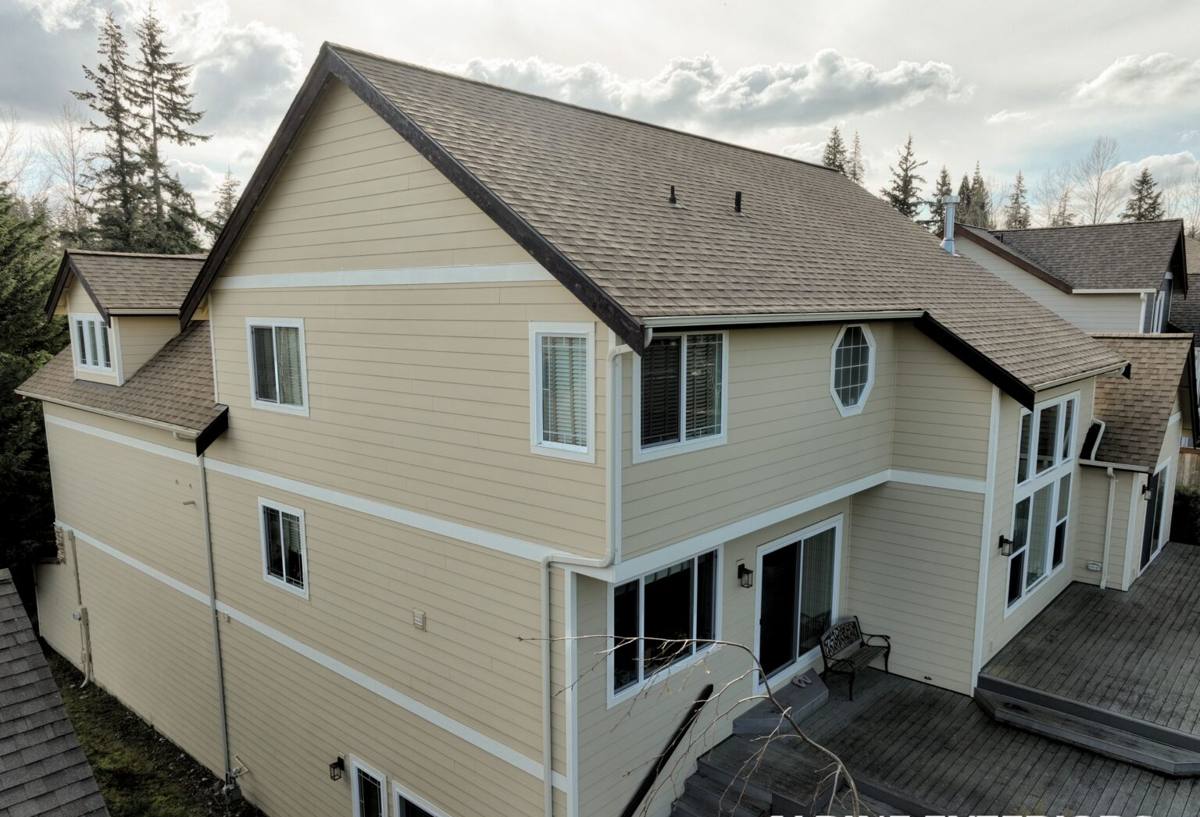
What Pinellas Park's Climate Does to a Deck
Heat and UV
Florida sun is relentless on exposed decking. Untreated or poorly finished wood grays, checks, and splinters faster here than in almost any other part of the country. UV also breaks down lower-grade composite decking over time, which is why the specific composite product matters more than people expect — not all composites use the same cap technology or UV inhibitors.
Wind-Driven Rain and Standing Moisture
Pinellas County gets heavy, fast-moving storms for much of the year. Rain rarely falls straight down — wind pushes it sideways into railings, under boards, and into any gap where end grain is exposed. Decks that aren't detailed for drainage end up trapping moisture against framing, which is where rot and hidden decay start, usually out of sight until a board fails underfoot.
Salt Air and Corrosion
Even well inland from the immediate coastline, salt air travels and accelerates corrosion on fasteners, brackets, and hardware. A deck built with standard-grade hardware can develop rust streaks and weakened connections years before the decking itself shows wear. This is one of the most overlooked failure points in deck construction in this region.
Hurricane-Force Wind
Attached decks and any elevated structure need to be engineered for wind uplift and lateral load, not just vertical weight. Ledger board attachment, post connections, and railing anchoring all matter more here than in low-wind regions, and it's an area where cutting corners doesn't show up until a major storm tests it.
What a Correctly Built Deck Involves
A deck that's going to perform well in Pinellas Park conditions starts below the decking boards, not above them. The visible surface gets most of the attention from homeowners, understandably, but the framing, fasteners, and attachment details determine whether that surface stays solid for the long run.
- Pressure-treated or naturally rot-resistant framing lumber, properly rated for ground contact where applicable
- Corrosion-resistant fasteners and structural hardware — standard hardware corrodes faster in coastal-influenced air
- Proper ledger board flashing and attachment to prevent water intrusion at the house connection
- Post footings sized and set to local frost-free, load-bearing standards for Florida soil conditions
- Joist spacing and blocking specified for the decking material chosen, not a generic default spacing
- Drainage gaps and slope details that move water off and away from the structure instead of trapping it
- Railing and baluster attachment engineered for wind load, not just decorative fastening
- Permit-compliant design matching Pinellas County building code for the structure's height and attachment
Skipping any one of these doesn't necessarily show up right away. It shows up two, three, or five years later as soft spots, rust stains, loose railings, or a deck that fails an inspection when the home goes up for sale.
Choosing Decking Material for This Climate
There's no single "best" decking material — there's a best material for a given budget, maintenance tolerance, and how the deck will actually be used. We walk homeowners through the real trade-offs rather than pushing one product line.
| Material | Upfront Cost | Maintenance | How It Handles This Climate |
|---|---|---|---|
| Pressure-treated wood | Lowest | Regular sealing/staining needed | Affordable but needs consistent upkeep to resist UV graying and moisture damage |
| Composite decking | Mid to higher | Occasional cleaning, no sealing | Strong UV and moisture resistance when capped composite is used; quality varies by brand |
| PVC/synthetic decking | Highest | Very low | Best moisture and insect resistance; performs well in humid, wet conditions |
| Tropical hardwoods | High | Periodic oiling | Naturally dense and durable, but requires upkeep to maintain appearance in full sun |
We generally steer homeowners away from lower-grade, uncapped composite products in this specific climate — not because the category is bad, but because thinner or older-generation composite formulations can hold moisture at the surface and fade unevenly under sustained Florida sun. Fully capped composite or PVC decking carries a stronger warranty structure and holds up more predictably here, which matters when a deck is a long-term investment rather than a short-term fix.
Our Process for a Pinellas Park Deck Project
1. On-Site Assessment
We look at how the space will be used, sun exposure through the day, drainage patterns in the yard, and how the deck will tie into the existing structure. This is also where we flag anything unusual about the site — grade changes, existing moisture issues, or access limitations.
2. Design and Material Selection
We go over material options honestly, including cost, maintenance, and expected lifespan for each, so the decision matches the homeowner's budget and how long they plan to be in the home.
3. Permitting
Deck construction in Pinellas Park and the surrounding area typically requires a permit, especially for attached or elevated structures. We handle the permit process and build to the code requirements that apply locally, so there's no exposure risk down the line during a home sale or insurance review.
4. Construction
Framing, fastening, and attachment details are built to the standards outlined above — not the minimum required to pass a quick look, but what actually holds up under Gulf Coast Florida conditions year after year.
5. Final Walkthrough
We walk the finished deck with the homeowner, cover basic maintenance expectations for the material chosen, and make sure everything meets what was agreed on before we consider the job done.
Why Local Experience in Pinellas Park Matters
A crew that regularly works in Seminole and Pinellas Park already knows what the local permitting process expects, what soil and drainage conditions look like in this area, and which material and hardware choices actually last against Pinellas County's combination of heat, humidity, storms, and salt air. That's different from applying a generic deck-building approach and hoping it holds up in a climate it wasn't really built for.
It also means fewer surprises during the project — we're not guessing at local code requirements or relearning site conditions specific to this part of the county. That familiarity translates into a smoother process and a deck that's built for the conditions it will actually face, not just how it looks on installation day.
Common Mistakes We See on Older or DIY Decks
- Standard hardware store fasteners used instead of corrosion-resistant hardware, leading to premature rust
- No proper flashing at the ledger board, allowing water to enter the house structure over time
- Decking installed with no drainage gap, trapping water and accelerating rot underneath
- Railings attached without wind-load consideration, becoming a safety issue in storm conditions
- Skipped permits, creating problems later during home sales, insurance claims, or storm damage assessments
Most of these issues aren't visible until they've already caused damage, which is why the construction details matter as much as the finished appearance.
Maintenance That Extends the Life of Your Deck
Whatever material is chosen, a small amount of regular maintenance goes a long way in this climate. Wood decking benefits from resealing on a consistent schedule to fight UV and moisture damage. Composite and PVC decking need far less upkeep but still benefit from periodic cleaning to prevent salt residue, pollen, and organic buildup from dulling the surface or clogging drainage gaps. Checking fastener and railing connections once or twice a year, especially after major storms, catches small issues before they become expensive ones.
Get a Straightforward Estimate
If you're planning a new deck or replacing one that hasn't held up to Pinellas Park's weather, we're happy to take a look and give you an honest read on materials, cost, and what the job actually involves for your property. Reach out for a free, no-pressure estimate using the form below.