 Seminole Siding
 Belleair Bluffs Homes Face a Different Set of Demands
Belleair Bluffs sits in one of the more exposed pockets of Pinellas County — close enough to the Intracoastal and the Gulf that salt-laden air, wind-driven rain, and direct summer sun are part of daily life for every house in the area, not just the ones right on the water. Windows here do more work than windows almost anywhere else in the country. They're asked to hold up against hurricane-force wind loads, shrug off wind-driven rain that finds its way into anything less than a properly sealed opening, resist the slow corrosion that salt air causes on hardware and frames, and block UV rays that fade flooring and furniture year-round, not just in summer.
A lot of window problems we get called out to fix in this area didn't start as window problems — they started as installation shortcuts. The unit itself was fine; the flashing, sealant, or anchoring around it wasn't done for this climate. That's the gap this page is about: what a custom window job actually needs to include here, and why the details matter more in Belleair Bluffs than they would inland.
What "Custom" Actually Means on a Job Like This
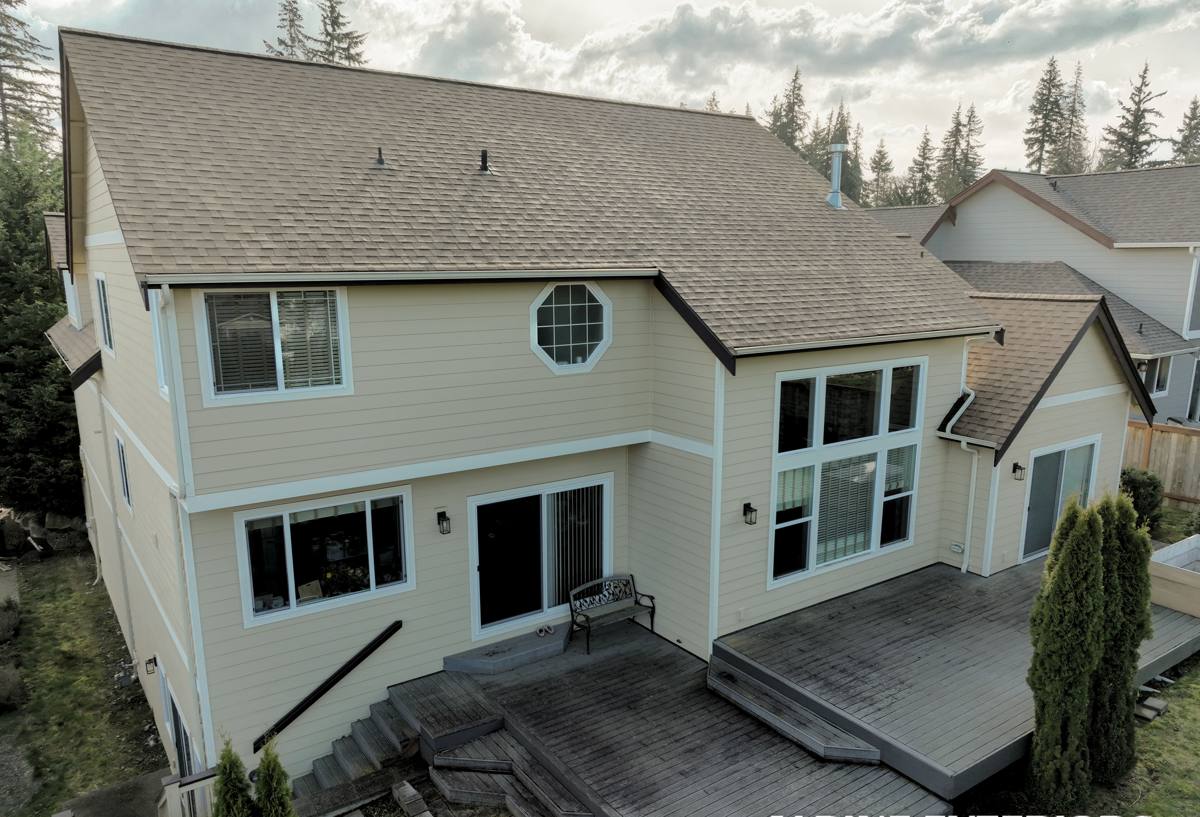
"Custom windows" doesn't mean fancy or expensive — it means the window is built and installed to match the specific opening, structure, and architectural style of your house, rather than forcing a stock size to fit. Many homes in and around Belleair Bluffs were built in phases over several decades, which means rough openings are rarely uniform even within the same house. Additions, enclosed lanais, and older Florida-style construction often have openings that don't match anything off a standard size chart.
Where custom work actually shows up
- Matching sightlines and frame profiles across a home with mixed window ages or styles
- Building out or trimming rough openings correctly instead of shimming a wrong-size unit into place
- Accounting for stucco, siding, or block wall thickness so the window sits flush and seals properly
- Selecting glass tint and Low-E coating to match sun exposure on each side of the house
- Coordinating shape and grid pattern with the home's existing architectural character
A correct custom job starts with an accurate measurement of the actual opening, not the box the old window came in. Skipping that step is one of the most common ways a "window replacement" turns into a leak six months later.
Wind, Water, and Florida Building Code
Every window installed in Pinellas County has to meet Florida Building Code wind load requirements for its location, which are based on the home's wind zone, height, exposure category, and roof geometry — not a single blanket number for the whole county. That means two houses a few blocks apart in Belleair Bluffs can technically require different Design Pressure (DP) ratings depending on how exposed they are to open water and prevailing wind.
This is where a lot of the real engineering happens on a custom window job, and it's also where corners get cut. A window that's rated correctly on paper but installed with the wrong anchoring, fastener spacing, or sealant detail can fail at the connection point even if the glass and frame never budge. We size and specify windows to the actual wind pressure requirements for the specific home and elevation, then install to the manufacturer's tested installation method — not a generic approach used everywhere.
Impact-rated glass vs. shutters
Impact-rated windows use laminated glass that stays intact in a single unit even when the outer layer cracks, so the opening stays protected without anyone having to put up shutters before a storm. Shutters can meet code too, but they only work if someone is home and able to deploy them in time — impact glass protects the opening whether the house is occupied or not. For a lot of homeowners in this area, that difference in convenience and year-round protection is the deciding factor.
Frame Material: What Actually Holds Up Near the Coast
Salt air is hard on hardware, fasteners, and frame finishes over time, even for homes that aren't waterfront. Material choice matters more here than it would 30 miles inland.
| Frame Material | Salt Air / Corrosion Resistance | Maintenance | Best Fit |
|---|---|---|---|
| Vinyl | Very good — won't corrode or pit | Low; occasional cleaning | Most homes; budget-conscious custom replacements |
| Aluminum | Fair; needs a quality marine-grade finish to resist pitting | Moderate; finish needs monitoring over time | Larger openings, sliders, and impact-frame systems |
| Fiberglass / Composite | Excellent; very stable in heat and salt exposure | Low | Homes wanting a wood look without wood upkeep |
| Wood-clad | Poor to fair without diligent upkeep near open water | High | Historic-style homes where appearance is the priority |
We'll walk through these trade-offs honestly for your specific home rather than pushing one material for every job — a west-facing wall with heavy sun exposure has different priorities than a shaded side yard, and a home a few blocks from open water has different priorities than one further inland.
How We Approach a Custom Window Job
- On-site assessment: We look at every opening individually, note existing issues (rot, cracked stucco, old flashing), and check sun exposure and wind exposure for each elevation.
- Accurate measurement: Actual rough openings are measured, not assumed from existing units, especially on older or additions-heavy homes.
- Product selection: We match DP rating, frame material, and glass package to the specific wind zone and sun exposure for that wall.
- Permitting: Window replacements affecting the building envelope require a permit in Pinellas County; we handle the application and inspection scheduling.
- Removal and prep: Old units come out cleanly, and we inspect the opening for hidden damage before anything new goes in.
- Installation: Proper flashing, sealant, and fastening per the manufacturer's tested method — this is the step that determines whether the window actually performs to its rating.
- Final inspection and walkthrough: Operation, seal, and finish work are checked before we consider the job done.
What a Correct Installation Actually Looks Like
The window unit itself is often not where problems start. Installation quality is what determines whether a correctly rated, correctly built window actually performs like one in real weather. Here's what we check on every job:
- Opening is square, sound, and free of hidden rot or moisture damage before the new unit goes in
- Flashing is integrated correctly with the existing wall system, not just caulked over the surface
- Fasteners and anchoring match the manufacturer's tested installation instructions for the rated DP
- Sealant is applied at all the right joints — not as a substitute for proper flashing
- Unit is shimmed and leveled correctly so it operates smoothly and doesn't stress the frame over time
- Interior and exterior finish work is completed so there are no gaps for water or pests
If any one of these steps is skipped, the window can still look fine for a while and still fail during the next heavy storm. This is exactly the kind of thing a homeowner can't easily verify by eye once the trim is back on — which is why the crew doing the work matters as much as the product they're installing.
Energy Efficiency and UV Protection
Pinellas County sun is relentless year-round, and older single-pane or non-Low-E windows let a lot of heat and UV through. Low-E coatings and the right glass package cut down on solar heat gain, which takes real strain off an air conditioner running most of the year, and they reduce the UV exposure that fades floors, furniture, and window treatments over time. Insulated (dual-pane) glass also helps quiet down road and storm noise, which is a nice side benefit in a windy coastal area.
Why a Crew That Already Works in Belleair Bluffs Makes a Difference
A lot of the value in a window job like this comes down to local familiarity: knowing how Pinellas County permitting and inspections actually run, understanding the range of wind exposure across different streets and elevations in the area, and having handled the mix of home ages and construction styles found in Belleair Bluffs specifically. A crew unfamiliar with the area is more likely to guess at wind ratings, underestimate salt air exposure, or run into permitting surprises that slow the job down. We've done this work throughout the surrounding Seminole and Pinellas County area long enough to know what these homes actually need, not just what a spec sheet says in general.
If you're weighing custom window options for a home in Belleair Bluffs, we're glad to come take a look, measure the actual openings, and give you an honest, no-pressure estimate — just fill out the form below to get started.