 Seminole Siding
 Windows Built for Indian Rocks Beach, Not Just Any House
Indian Rocks Beach sits close enough to the Gulf that its homes deal with a different set of stresses than houses even a few miles inland in Seminole or elsewhere in Pinellas County. Salt-laden air, near-constant UV exposure, wind-driven rain, and the real possibility of hurricane-force winds all work on a window at the same time, year-round. A window that performs fine in a drier, more sheltered part of the county can fail early here — seals break down faster, hardware corrodes, and frames that aren't properly sized or flashed let water in during the first serious storm.
"Custom" in this context doesn't mean fancy shapes or oversized glass, though we do that too. It means windows sized, specified, and installed to match the actual opening, structure, and exposure of a specific Indian Rocks Beach home — not whatever comes closest in a stock size chart. That distinction matters more here than almost anywhere else in the region.
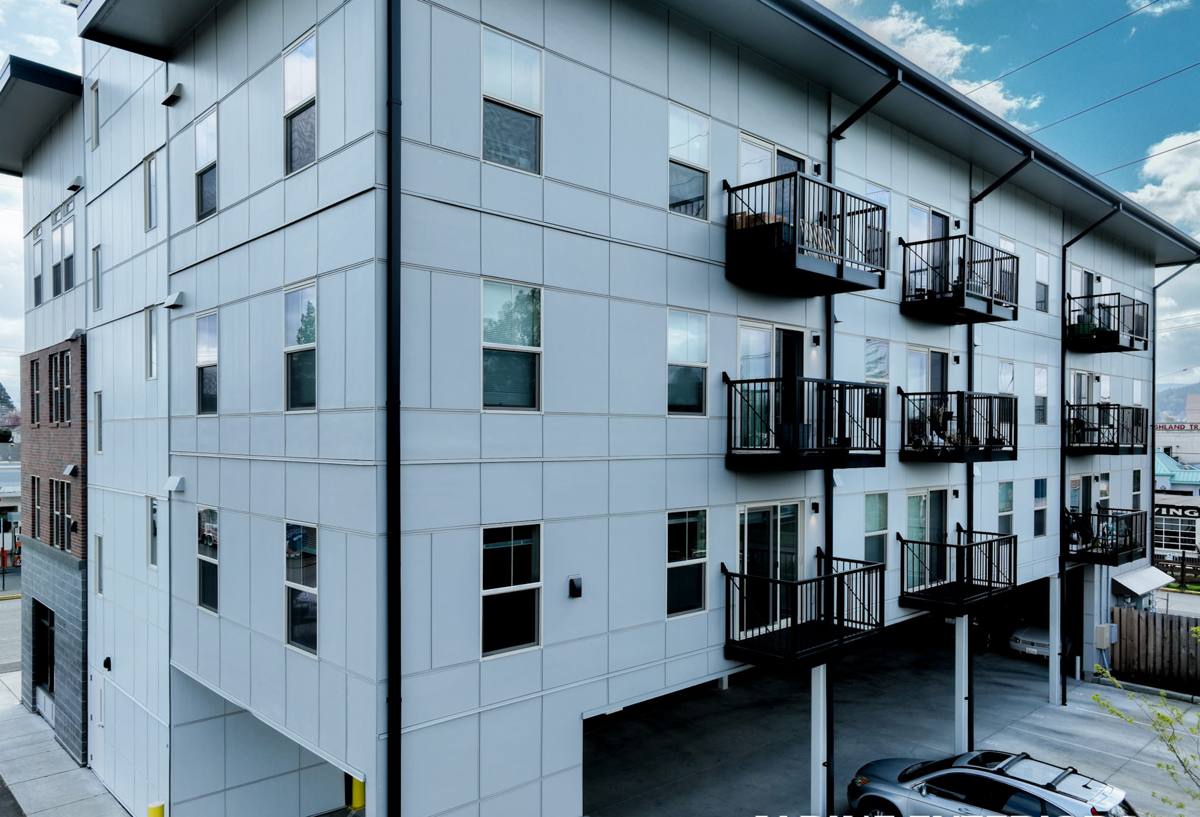
What Makes This Coastal Stretch of Seminole Different
Indian Rocks Beach and the barrier-island and near-coastal areas around it see conditions that inland Seminole homes are largely spared:
- Salt air that accelerates corrosion on hardware, screws, and unprotected metal components
- Intense, near-daily UV exposure that breaks down seals, gaskets, and low-quality vinyl over time
- Wind-driven rain that can force water past a window that isn't properly flashed, even without a full storm
- Higher design wind speeds and, depending on the exact location, potential High-Velocity Hurricane Zone-adjacent requirements that affect what products and installation methods are code-compliant
None of this means a homeowner needs to over-spend on windows. It means the product selection and the installation details have to actually match the exposure, rather than defaulting to whatever is standard practice a few miles inland.
Why Stock Sizing Falls Short
Older coastal homes, additions, and remodeled openings rarely line up with modern stock window dimensions. Forcing a stock unit into an opening that's slightly out of square — common in older Gulf-front construction — usually means extra shimming, inconsistent gaps, and more caulk doing the work that a proper fit should be doing. Every one of those shortcuts is a future leak point in a wind-driven rain event.
Impact Ratings and Florida Building Code, in Plain Terms
Florida's building code sets minimum wind-load and impact requirements based on location, and those requirements are generally more demanding the closer a home sits to open water. Depending on where a specific Indian Rocks Beach property falls relative to the coast, a window replacement may need to meet impact-resistant glazing standards or be paired with code-approved protection such as engineered shutters.
We pull the specific wind-load and impact requirements for the property's exact location and elevation before recommending a product — not from a general assumption about "the beach," but from what the local permitting jurisdiction actually requires for that address.
| Protection Approach | How It Works | Trade-offs |
|---|---|---|
| Impact-rated laminated glass | Two glass layers bonded to an interlayer; glass may crack under impact but stays intact | Higher upfront cost; no shutters to store, deploy, or maintain |
| Standard glass + code-approved shutters | Ordinary glazing protected by separate hurricane shutters when a storm approaches | Lower window cost, but shutters must be installed correctly and used every time; added maintenance |
| Laminated glass + secondary protection | Impact glass combined with shutters for added protection in higher wind zones | Highest cost; used where code or homeowner preference calls for redundancy |
Frame Material: What Actually Holds Up in Salt Air
Frame material is one of the biggest long-term factors in how a window performs near the Gulf, and it's an area where cutting corners shows up early.
| Frame Material | Behavior in Coastal Exposure | Maintenance Reality |
|---|---|---|
| Vinyl | Won't corrode from salt air; quality varies significantly by manufacturer and UV-stabilization level | Low maintenance if UV-rated; lower-grade vinyl can discolor or become brittle under constant sun |
| Aluminum | Strong and slim-profile, but untreated or poorly coated aluminum corrodes faster in salt air | Needs a marine-grade finish or anodized coating to hold up long-term this close to the water |
| Fiberglass | Very stable dimensionally, resists UV and salt degradation well | Higher material cost; low ongoing maintenance |
| Wood / wood-clad | Attractive but the most vulnerable to moisture and salt exposure without diligent upkeep | Requires regular sealing and inspection; not our default recommendation for direct coastal exposure |
We don't push a single material on every job. The right call depends on the home's exact exposure, the homeowner's maintenance appetite, and budget — but we'll always explain the trade-offs honestly rather than defaulting to whatever's easiest to install.
Glass Packages Worth Discussing
Low-E Coatings
A low-emissivity coating reduces how much heat transfers through the glass, which matters in a home that runs air conditioning nearly year-round. It doesn't affect impact resistance, but it makes a real difference in comfort and cooling load.
Tinted and Reflective Options
Some Indian Rocks Beach homeowners choose a light tint or reflective coating to cut glare off the water and reduce UV-driven fading of interior furnishings. This is a preference call, not a code requirement, and we'll walk through the visual and performance trade-offs before recommending it.
Laminated vs. Tempered
Laminated glass — glass bonded to an interlayer — is what makes impact-rated windows possible; it's a different product from tempered safety glass, which shatters into small pieces but doesn't stay intact under impact. For coastal wind-load compliance, laminated construction is generally what's specified.
How Our Custom Window Process Works
1. On-Site Assessment
We measure every opening individually — no assumptions based on the home's age or a neighbor's project. We also check framing condition, flashing, and any signs of past water intrusion, since a new window installed over an existing problem just hides it.
2. Code and Wind-Load Review
We confirm the wind-load and impact requirements that actually apply to the property's location within Seminole and Pinellas County before finalizing a product spec.
3. Product Selection
We walk through frame material, glass package, and protection approach together, with honest trade-offs at each step — not just the highest-margin option.
4. Precision Fabrication
Each window is built to the actual opening dimensions, accounting for any out-of-square conditions common in older coastal construction.
5. Installation and Flashing
This is where most long-term failures actually originate. Proper flashing, sealant selection, and fastening schedule matter more in wind-driven rain conditions than the window product itself. We follow manufacturer installation specs to keep warranties valid and to actually keep water out.
6. Final Inspection and Permit Close-Out
Window replacements in Pinellas County typically require permitting and inspection. We handle that process so the homeowner isn't left chasing paperwork or dealing with an uninspected installation later at resale.
Signs an Indian Rocks Beach Home Needs Window Attention
Salt air and UV exposure don't always announce a problem loudly — it often shows up gradually. Worth checking for:
- Visible corrosion or white, chalky buildup on aluminum frames or hardware
- Difficulty opening, closing, or locking a window that used to operate smoothly
- Fogging or condensation between panes, which usually means a failed seal
- Soft or discolored drywall, trim, or wood framing near a window after heavy rain
- Visible daylight or drafts around the frame when the window is closed
- Chalking, cracking, or brittleness in vinyl frames from prolonged UV exposure
- Peeling paint or caulk failure around the exterior frame perimeter
Any one of these on its own isn't necessarily an emergency, but in a coastal exposure like Indian Rocks Beach, they tend to compound quickly once they start.
Living With Coastal Windows: Realistic Maintenance
No window product is maintenance-free this close to the Gulf, but the maintenance burden varies a lot by material and installation quality. A simple rinse-down of frames and hardware every few months helps remove salt buildup before it starts corroding metal components or dulling finishes. Checking weep holes for debris keeps water draining properly instead of pooling in the frame. And a periodic visual check of exterior caulk and sealant — especially after a hard storm — catches small failures before they become interior water damage. We're happy to walk any homeowner through a basic maintenance routine specific to the products we install.
Why Local Experience in Indian Rocks Beach Matters
A contractor who mostly works inland jobs can still install a technically correct window — but they may not have direct experience with the wind-load requirements, permitting nuances, and exposure conditions specific to this stretch of the Pinellas County coastline. We work in Seminole and the surrounding coastal communities regularly, which means we're not learning the local code requirements or salt-air failure patterns on someone's project for the first time. That translates into fewer surprises during permitting, a product recommendation that actually fits the exposure, and an installation done the way it needs to be done for a home this close to open water.
If you're weighing a window replacement or addition in Indian Rocks Beach, we're glad to take a look and put together a straightforward, no-pressure estimate — just fill out the form below and we'll go from there.