 Seminole Siding
 Building a Deck That Actually Holds Up in Clearwater
A deck in Clearwater does a lot more work than a deck in most parts of the country. It sits outside year-round in intense Gulf Coast sun, it gets soaked by wind-driven rain during summer storms, and it breathes salt-laden air coming off the water almost every day. Homes in this part of Pinellas County are close enough to the coast that "regular" deck-building practices from a catalog or a national how-to guide often fall short within a few seasons. Boards cup, fasteners bleed rust, railings loosen, and footings that were fine somewhere inland start to show problems here in half the time.
This page is about what it actually takes to build a deck that's meant to stay in Clearwater's climate for the long haul — not just the day it's finished, but five, ten, and twenty years out.
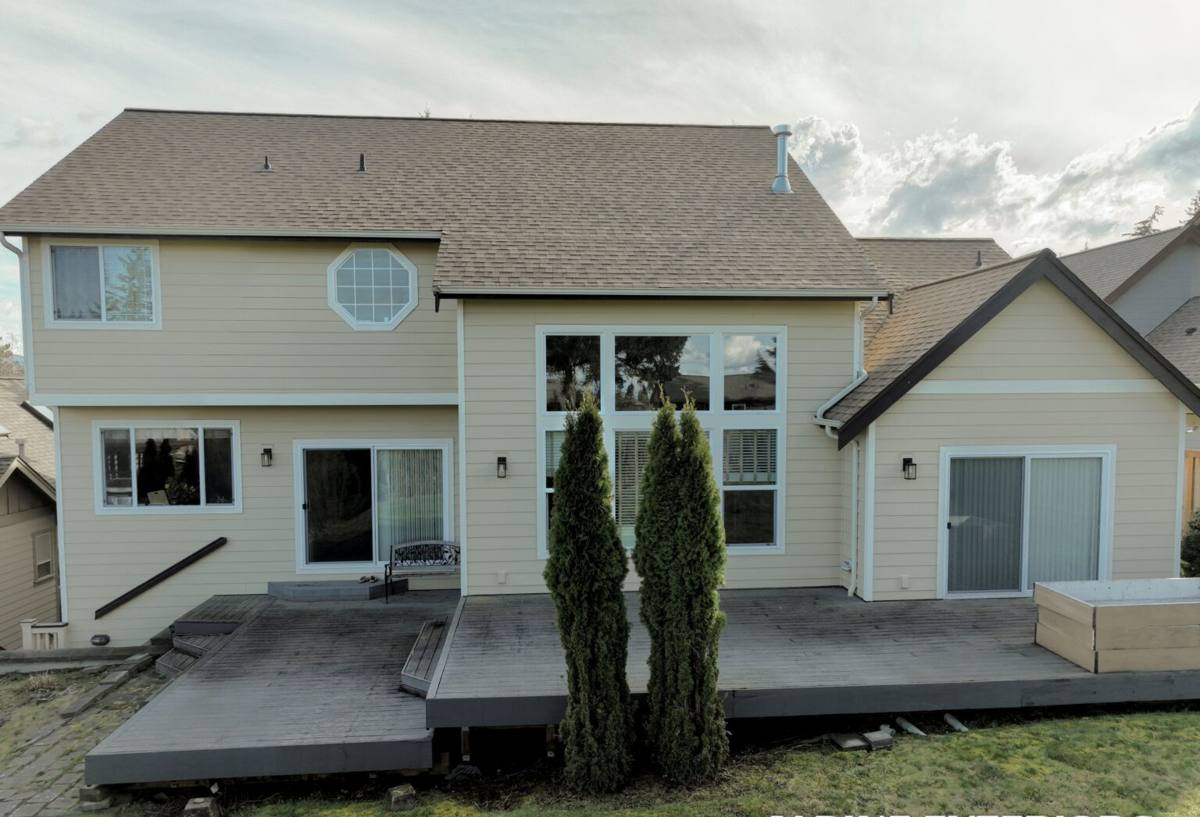
What Clearwater's Climate Demands From a Deck
Sun and UV Exposure
Florida sun is more intense and more constant than in most of the country, and it's brutal on exposed wood and lower-grade composite decking. UV breaks down wood fibers and fades color out of anything not properly treated or capped. A deck built with the wrong finish, or left unfinished, can gray and roughen within a single summer.
Wind-Driven Rain and Humidity
Afternoon storms here don't just rain straight down — wind pushes water sideways, under railings, and into joints and end-grain that a dry-climate deck design never has to worry about. Combined with high year-round humidity, that means any spot where water can pool or get trapped stays wet far longer than it should, which is exactly the condition that rots wood and corrodes fasteners.
Salt Air and Coastal Corrosion
Even a few miles inland from the water, salt in the air accelerates corrosion on anything metal — screws, joist hangers, railing brackets, structural bolts. A fastener rated for general outdoor use inland can pit and fail years earlier here. This is one of the most common causes of premature deck failure we see, and it's almost invisible until a board comes loose or a railing post starts to wobble.
Hurricane and Tropical Storm Wind Loads
Pinellas County sits in a wind zone that requires decks — especially elevated ones — to be engineered for real uplift and lateral loads, not just vertical weight. A deck that only accounts for people standing on it, and not for wind trying to lift or rack the structure during a tropical storm or hurricane, is a liability, not an amenity.
Choosing the Right Decking Material for This Area
There's no single "best" decking material for every homeowner — it depends on budget, maintenance tolerance, and how the deck will be used. What matters is picking with this climate in mind, not a generic national recommendation.
| Material | How It Handles This Climate | Maintenance Reality |
|---|---|---|
| Pressure-treated wood | Affordable, strong, needs a quality sealant to resist UV and moisture cycling | Reseal every 1-2 years; inspect fasteners for corrosion |
| Tropical hardwoods | Naturally dense and rot-resistant, handles humidity well | Periodic oiling to prevent graying; higher upfront cost |
| Capped composite | Strong UV and moisture resistance from the cap layer; consistent performance in coastal air | Low — occasional cleaning, no sealing or staining |
| Uncapped/basic composite | More prone to moisture absorption and fading in intense sun over time | Moderate — cleaning and closer joint inspection |
| PVC decking | Fully synthetic, doesn't absorb moisture, holds up well against salt air | Low, but can run hotter underfoot in direct sun |
We steer most Clearwater-area homeowners away from uncapped, budget composite boards near the coast — not because the material is inherently bad, but because the lack of a protective cap layer means it absorbs more moisture and fades faster in this specific combination of sun and salt air than it would somewhere drier and further inland. That's a maintenance and lifespan trade-off worth knowing before you buy.
What a Correctly Built Deck Substructure Looks Like
The decking surface is what people see, but the structure underneath is what determines whether the deck is safe and how long it lasts. In this climate, a handful of details separate a deck that's built right from one that just looks right on day one.
- Footings sized and set to local frost-free depth requirements, with concrete rated for Florida's soil and moisture conditions
- Ledger board attachment properly flashed where the deck meets the house, so wind-driven rain can't work its way behind the siding
- Joist hangers and structural fasteners in stainless steel or coastal-rated coated hardware, not standard galvanized, given local salt exposure
- Post-to-beam and beam-to-footing connections engineered for uplift, not just downward load, to meet local wind requirements
- Proper spacing and airflow underneath the deck so moisture doesn't get trapped against joists
- Railings and guard posts anchored to resist lateral force, not just fastened for appearance
Skipping any one of these doesn't usually show up as a problem right away. It shows up two or three years later, as a soft spot, a rust stain, or a railing that's suddenly loose — after the wrong crew is long gone.
Permitting and Code Considerations Near Seminole and Clearwater
Deck construction in this part of Pinellas County is subject to local building permitting and inspection, and elevated or structurally significant decks typically require engineered plans that account for wind load, not just a basic sketch. Requirements can vary depending on the deck's height, size, and attachment to the home, and some neighborhoods have their own setback or HOA guidelines on top of county code. We handle the permitting and inspection process as part of the job rather than treating it as the homeowner's problem to sort out — it's a normal part of building a deck correctly here, not an optional extra step.
Our Deck Building Process
Every property is a little different, but the process we follow stays consistent because it's built around the same climate conditions every job in this area has to deal with.
- On-site assessment — we look at sun exposure, drainage, existing structure (for replacements), and how the deck will actually be used
- Material and layout discussion — honest trade-offs between wood, composite, and PVC options based on your budget and maintenance preference
- Design and permitting — engineered plans where required, submitted through the correct local process
- Site prep and footings — footings dug and poured to the depth and spacing the design calls for
- Framing — ledger, beams, joists, and hardware installed with coastal-rated fasteners throughout
- Decking and railing installation — surface material and railings installed to manufacturer spec, with attention to fastener placement and board spacing for drainage
- Final inspection and walkthrough — county inspection where required, plus our own walkthrough with you before we call it done
Maintenance That Actually Matters in a Coastal Climate
Every decking material needs some upkeep, but in this climate a few habits matter more than the generic advice you'll find in a general home-improvement article.
- Rinse salt residue and debris off the deck surface periodically, especially after storms
- Check fastener heads and railing connections once or twice a year for early signs of corrosion
- Keep gutters and downspouts clear so runoff isn't dumping extra water onto or under the deck
- Reseal wood decking on the schedule the finish product actually requires — UV here burns through sealant faster than in milder climates
- Make sure under-deck airflow isn't blocked by stored items or overgrown landscaping
Why Hiring a Crew That Already Works This Area Matters
A lot of deck problems we get called out to repair weren't built by bad carpenters — they were built by capable crews using assumptions from a different climate. Fastener choices, flashing details, footing depth, and wind-load connections that are perfectly fine in a drier or calmer part of the country aren't automatically fine here. A crew that regularly works in Seminole, Clearwater, and the surrounding Pinellas County area has already seen which shortcuts cause callbacks in this specific environment, and builds around them from the start instead of learning the hard way at your expense.
That local experience also means a smoother permitting process, since the plan review expectations and inspection process are already familiar, and a more realistic conversation up front about what a given material will actually cost you in upkeep once it's living outdoors in Gulf Coast sun and salt air.
Get a Straightforward Deck Estimate
If you're considering a new deck or replacing an aging one in the Clearwater area, we're happy to take a look and walk you through your options honestly — materials, structure, and what it'll take to keep it in good shape for years to come. Use the form below to request a free, no-pressure estimate.