 Seminole Siding
 Madeira Beach Decks Work Harder Than Most
A deck on Madeira Beach isn't just outdoor furniture — it's a structure that sits directly in the path of everything the Gulf throws at it. Salt-laden air moves inland off the water daily, humidity stays high year-round, and afternoon storms bring wind-driven rain that finds its way into every joint, screw hole, and seam a builder didn't seal correctly the first time. Add in Pinellas County's intense UV exposure and the occasional hurricane-force wind event, and you have a structure that ages faster here than it would fifteen or twenty miles inland.
Seminole Siding Company works decks across the barrier islands and the mainland side of Seminole, and Madeira Beach jobs are a regular part of that work. We're not guessing at how salt air and coastal humidity behave on a deck frame — we see it, diagnose it, and repair it on a recurring basis. That local repetition matters more than it sounds like it should, and we'll explain why further down.
What Actually Fails on a Coastal Deck
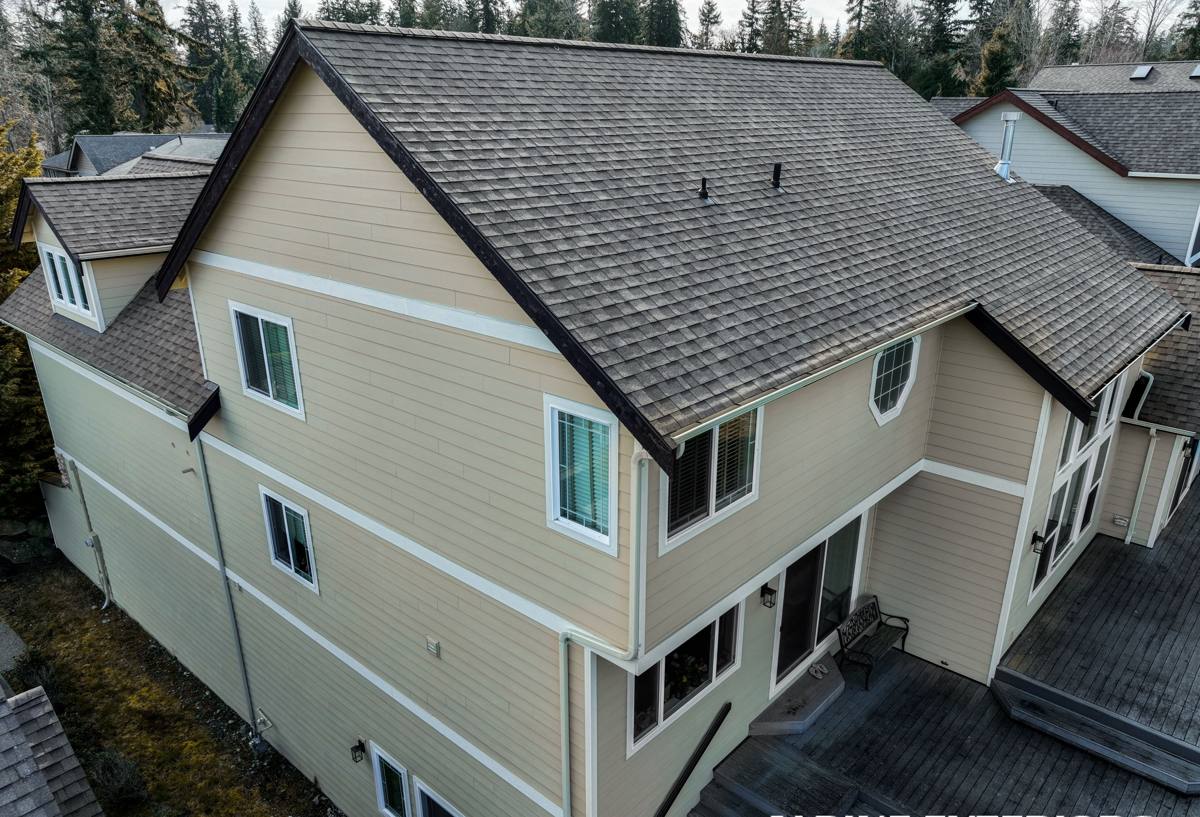
Deck failure in this climate rarely happens all at once. It's a slow accumulation of moisture intrusion, fastener corrosion, and UV breakdown that eventually shows up as a soft board, a wobbly rail, or a stair that doesn't feel right underfoot. Knowing what typically fails — and why — is the first step to an honest repair instead of a cosmetic patch.
Wood-Framed and Wood-Decked Structures
- Ledger board rot — the board that attaches the deck to the house is a common failure point when flashing was installed poorly or has degraded, letting water sit against the house rim joist.
- Fastener corrosion — standard or under-rated screws and nails corrode faster in salt air, weakening their grip long before the wood around them looks obviously bad.
- Post and beam softening — ground-contact posts and support beams absorb moisture from below and from splashback, leading to soft spots that aren't visible from the top of the deck.
- Surface board cupping and splintering — repeated wet-dry cycles combined with intense UV cause boards to cup, crack, and splinter even when the frame underneath is sound.
Composite and PVC Decking
Composite decking resists rot but isn't immune to problems in this climate. Fastener and framing issues underneath composite boards are actually harder to spot early because the surface looks fine while the substructure deteriorates. We also see edge swelling on older or lower-grade composite boards where the capping has worn thin under UV exposure, allowing moisture into the core.
Diagnosing a Deck Correctly Before Repairing It
The biggest mistake in deck repair is treating a symptom instead of the cause. Replacing a few soft-looking boards without checking the ledger connection, the fasteners, or the support posts underneath just delays the real problem — and on a coastal property, that delay is shorter than homeowners expect.
Structural Inspection First
Before we quote any repair, we walk the deck's structure, not just its surface. That means checking the ledger board attachment and flashing, probing posts and beams near ground contact and near the house connection, testing joist ends for softness, and inspecting railing posts, which take direct lateral load and are a common point of hidden rot.
Repair vs. Replace: An Honest Read
Not every problem deck needs to be torn out. If the frame is sound and the damage is isolated to surface boards, railings, or stairs, targeted repair is the right call and the more cost-effective one. If the ledger connection has failed, if multiple posts or beams show soft wood, or if the deck was built without proper flashing to begin with, patchwork repairs won't hold — and we'll tell you that plainly rather than sell you a repair that won't last through next hurricane season.
Our Deck Repair Process
- On-site inspection — we assess the full structure, not just the area you called about, since coastal deterioration is often more advanced below deck than on top.
- Written scope and estimate — you get a clear explanation of what's failing, why, and what it takes to fix it correctly, with repair and replacement options laid out where they exist.
- Demo of failed material — damaged boards, framing, or railing components are removed down to sound wood or structure.
- Structural correction — ledger flashing, post bases, and framing connections are corrected where they contributed to the original failure, not just patched around.
- Rebuild with corrosion-appropriate materials — new lumber, fasteners, and hardware rated for coastal exposure go in, matched to your existing deck where possible.
- Final walkthrough — we go over what was repaired, what to watch, and a realistic maintenance schedule given Seminole's climate.
What Affects the Cost of a Deck Repair
Deck repair costs vary widely because "deck repair" covers everything from replacing three boards to rebuilding a ledger connection and support structure. Rather than quote a number that doesn't apply to your situation, here's what actually drives the price up or down.
| Factor | Why It Matters |
|---|---|
| Extent of hidden framing damage | Surface repairs are inexpensive; rot found in joists, beams, or the ledger connection requires structural rebuild, not patching |
| Deck height and access | Elevated coastal decks and structures with limited access underneath take more labor to inspect and repair safely |
| Material match | Matching existing wood species, composite color, or railing style can cost more than a straight functional repair |
| Fastener and hardware grade | Coastal-rated stainless or marine-grade hardware costs more upfront than standard fasteners but resists the corrosion that caused the original failure |
| Code and permitting requirements | Structural repairs involving ledger boards, footings, or railings may require permitting and inspection under local building code |
Materials We Choose for Coastal Repair Work
What goes back into a deck matters as much as the repair itself, especially this close to the water. We use fasteners and structural hardware rated for coastal and salt-air exposure rather than standard-grade fasteners, because the corrosion that likely caused your original problem will happen again with the wrong hardware — often faster the second time, since the wood around older fastener holes is already compromised. For framing, we use pressure-treated lumber rated for ground contact where posts and beams need replacement, and we pay close attention to flashing at the ledger board, since a poorly flashed ledger is one of the most common root causes of deck failure we find in this area.
When it comes to decking surface material, we'll talk through the honest trade-offs between wood and composite for your situation — upfront cost, maintenance commitment, appearance over time, and how each performs under year-round UV and humidity. Neither is automatically the right answer; it depends on how much upkeep you want to do and how long you plan to stay in the home.
Maintenance That Extends the Repair
A correctly done repair can still fail early if basic maintenance is skipped in a climate this demanding. After a repair, we recommend homeowners stay on top of a short list of upkeep items:
- Rinse salt residue off deck surfaces and railings periodically, especially after storms with onshore wind
- Check fastener heads and connection points once or twice a year for early corrosion signs
- Keep gutters and drainage clear so water isn't discharging directly onto or under the deck
- Reseal or refinish wood decking on the schedule appropriate to the product used — coastal UV exposure shortens typical intervals
- Watch for soft spots underfoot or movement in railings and address them early, before hidden framing is affected
Why a Locally Experienced Crew Matters Here
Deck problems in Madeira Beach don't look like deck problems fifteen miles inland. A contractor who mostly works inland jobs may under-spec fasteners, miss early flashing failure, or not recognize how fast salt air accelerates corrosion around fastener holes. Seminole Siding Company works this stretch of Pinellas County regularly, which means our estimates account for coastal exposure from the start instead of treating it as a surprise once demo begins.
We're also straightforward about what a deck needs and doesn't need. If a repair will genuinely hold, we'll do the repair. If the structure is past that point, we'll say so and explain why, rather than either over-selling a full rebuild or under-selling a fix that won't survive the next storm season.
Get an Honest Look at Your Deck
If your Madeira Beach deck has soft spots, corroded fasteners, a shaky railing, or you just haven't had it looked at in a few years, it's worth a real inspection before small problems become structural ones. Fill out the form below for a free, no-pressure estimate — we'll tell you exactly what we find and what your options are.