 Seminole Siding
 Pinellas Park's Climate Is Hard on Exterior Walls
Pinellas Park sits in the middle of Pinellas County, close enough to Tampa Bay and the Gulf that homes here deal with the same coastal stresses as properties right on the water, even without a water view. Hurricane-force wind events, sideways wind-driven rain, brutal year-round UV exposure, and a steady dose of salt-laden air all reach this neighborhood. Add in Florida's humidity and the freeze-thaw cycle isn't the issue — constant moisture cycling is. Siding here has to hold paint, resist swelling, and stay attached through storms decade after decade, not just look good on installation day.
A lot of the housing stock in and around Pinellas Park dates back to the ranch-style boom of the 1960s through 1980s, which means much of it is on its second or third exterior covering already. When we go out to quote a fiber cement job in this specific area, we're almost always looking at a home that's already fought this climate for decades. That history matters — it tells us exactly where the next installation needs to be stronger than the last one.
What Correct Fiber Cement Installation Actually Involves
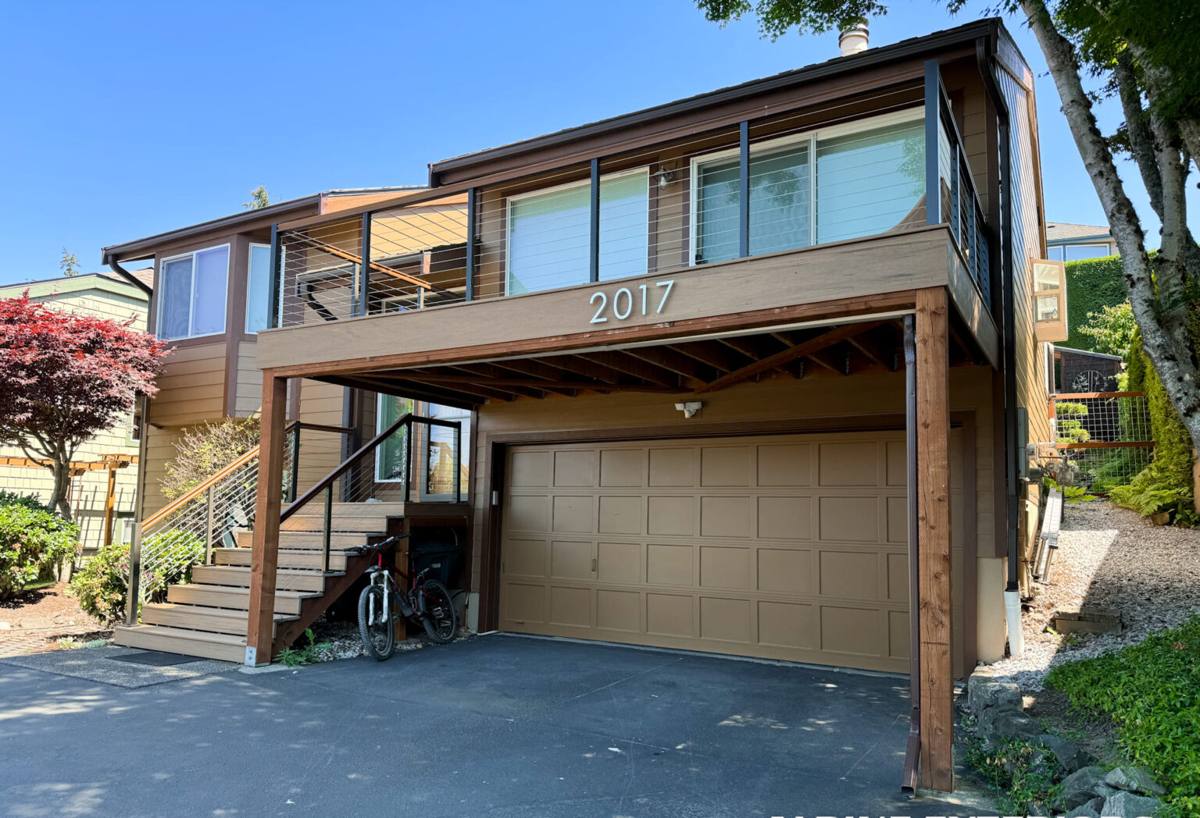
Fiber cement siding is only as good as the assembly behind it. The board itself is a cement, sand, and cellulose fiber composite — non-combustible, dense, and dimensionally stable in a way wood-based products aren't. But the board is one part of a system. A correct installation in a wind-and-rain climate like Pinellas Park's includes:
- A water-resistive barrier installed and lapped correctly, not just stapled up as an afterthought
- Proper flashing at every window, door, and penetration — the single most common failure point we find on tear-offs
- Correct fastener type, spacing, and placement per the manufacturer's engineered installation instructions
- Minimum clearance from grade, roof lines, and decks so the bottom edge of the siding never sits in standing water or gets buried in mulch
- Factory-cut and factory-primed edges wherever possible, with field cuts sealed per spec
- Caulking only where the manufacturer calls for it — over-caulking traps moisture just as badly as under-caulking lets it in
Skip any one of these and the board itself doesn't matter much. We've torn siding off homes in this area where the material was fine but the flashing behind it had failed years earlier, and moisture had been working its way into the wall assembly the whole time.
The James Hardie System We Install
We install James Hardie fiber cement exclusively. Not as a marketing point, but because it's the product line we're willing to warranty our workmanship against. Hardie manufactures to regional climate zones, and Florida installations use the HZ5 formulation, engineered specifically for high-moisture, high-humidity, storm-prone regions like the Gulf Coast.
HZ5 Climate-Engineered Line
HZ5 boards are formulated to resist moisture-related damage and to hold up under the freeze-thaw isn't-the-issue, humidity-is conditions we actually get in Pinellas County. That's the difference between a product engineered for a specific climate and a general-purpose board sold everywhere in the country.
ColorPlus Factory Finish
Most of what we install uses Hardie's ColorPlus finish — a baked-on, factory-applied color coat rather than paint applied on site after installation. Factory finishing means more consistent coverage, better adhesion, and a finish that's engineered to hold color under constant UV exposure, which matters enormously here where the sun is a year-round factor rather than a summer one. It also means touch-up product is available that matches the factory batch, instead of guessing at a paint match five years later.
Our Installation Process, Step by Step
- On-site assessment — we look at the existing siding, the wall assembly behind it where accessible, drainage around the foundation, and any trouble spots (window returns, roof-wall intersections, low clearance areas)
- Tear-off and inspection — old siding comes off and we inspect sheathing and framing for hidden moisture damage before anything new goes up
- Repair and prep — any compromised sheathing or framing gets addressed before the water-resistive barrier goes on; this step gets skipped by corner-cutting crews and it's the one that causes callbacks years later
- Weather barrier and flashing — installed and lapped per code and manufacturer spec, with particular attention to windows, doors, and any roof intersections
- Hardie board installation — fastened per James Hardie's published installation instructions for our wind zone, with correct clearances maintained everywhere
- Trim, caulking, and touch-up — finished per spec, not over-caulked, with ColorPlus touch-up applied only where field cuts require it
- Final walkthrough — we walk the exterior with the homeowner before calling the job done
What We Find When We Tear Off Old Siding in This Area
Every fiber cement job on an older Pinellas Park home starts with a tear-off, and tear-offs teach you what actually failed. The recurring patterns we see: flashing that was never installed or installed backward around window openings, siding installed tight to grade or buried under landscaping so the bottom edge stayed wet, nail placement too close to board edges causing long-term cracking, and moisture trails leading back to a single failed sealant joint that was never meant to be the primary water barrier in the first place. None of these are material failures — they're installation failures. It's exactly why we treat the tear-off and the assembly behind the board as seriously as the board itself.
Fiber Cement vs. What It Replaces: How Each Handles This Climate
| Climate Stress | What It Does Over Time | How Correctly-Installed Hardie Fiber Cement Responds |
|---|---|---|
| Hurricane-force wind | Loosens fasteners, lifts panel edges, drives rain behind the cladding | Dense board holds fasteners well when spec'd correctly; installed to wind-zone requirements |
| Wind-driven rain | Forces water sideways into laps, seams, and trim joints | Non-organic material doesn't swell or rot from repeated wetting the way wood-based products can |
| Year-round UV | Breaks down site-applied paint, fades and chalks over years | Factory ColorPlus finish is engineered for UV resistance, extending color life |
| Salt air | Accelerates corrosion of fasteners and degrades some coatings | Fiber cement itself doesn't corrode; correct fastener selection prevents hardware failure |
| Humidity/moisture cycling | Drives rot, mold growth, and delamination in vulnerable materials | Cement-based composition doesn't rot or feed mold growth |
Cost Factors for a Pinellas Park Fiber Cement Job
Every home is different, and we don't quote a job without walking it, but the same handful of factors move the price on almost every estimate we write in this area:
| Factor | Why It Matters |
|---|---|
| Extent of tear-off and repair needed | Hidden sheathing or framing damage found during tear-off adds scope |
| Home size and wall complexity | Dormers, multiple gables, and cut-up wall planes take more labor per square foot than a simple ranch elevation |
| Board profile chosen | Lap siding, panel siding, and shingle-style profiles carry different material and labor costs |
| ColorPlus vs. field-painted primed board | Factory finish costs more up front but removes a full paint job from the near-term maintenance schedule |
| Trim and accessory scope | Corner boards, window trim, and soffit work are often bundled into a full exterior job |
| Access and site conditions | Landscaping, fencing, and building height all affect labor time |
Signs a Pinellas Park Home May Need New Siding
- Visible cracking, buckling, or gaps at seams and corners
- Soft spots or spongy areas when pressed, especially near the bottom courses
- Paint that's chalking, peeling, or fading unevenly across the same elevation
- Staining or streaking below window sills or roof-wall intersections
- Rising cooling bills that might point to a compromised wall assembly, not just the AC
- Visible mold, mildew, or dark staining that keeps coming back after cleaning
- Siding that's outlasted its expected service life and hasn't been inspected in years
Maintenance: What Hardie Fiber Cement Needs, and What It Doesn't
One of the practical advantages of a correctly installed Hardie system with ColorPlus finish is how little routine maintenance it demands compared to what a lot of Pinellas Park homeowners are used to. There's no annual repainting cycle, no sealing schedule, and no seasonal caulk touch-ups if the original installation was done right. What it does need is simple: an occasional rinse to knock off salt residue and pollen buildup, a yearly walk-around to check caulk joints and trim for early wear, and prompt attention if a lawn tool or storm debris ever chips a section down to the substrate. That's a much shorter list than what most site-painted or wood-based siding systems require in this climate.
Why a Crew That Already Works Pinellas Park Matters
Installation quality is the entire ballgame with fiber cement. A crew that's worked this specific area knows what a Pinellas County wind-load requirement looks like on paper versus what it takes in practice, knows which older tract-home wall assemblies tend to hide moisture problems, and isn't guessing at clearance and flashing details for the first time on your house. That local repetition is what keeps a job from becoming a callback five years down the road. We stand behind our installation with a workmanship warranty, and we only install a product line — James Hardie — that backs it with a strong manufacturer warranty of its own.
Let's Talk About Your Home
If your Pinellas Park home's siding is showing its age, or you just want a straight answer about what a correct fiber cement installation should look like for your property, we're happy to walk the exterior with you and give you an honest assessment. There's no pressure and no obligation — just fill out the form below for a free estimate.