 Seminole Siding
 Building Decks for a Barrier Island Climate
Indian Rocks Beach sits right on the Gulf, and that location is exactly what makes deck building here different from a typical inland job. Salt-laden air corrodes fasteners and hardware faster than almost anywhere else in Pinellas County. Intense, near-constant UV bakes wood fibers and breaks down coatings. Wind-driven rain finds its way into every joint, seam, and end-cut that isn't sealed correctly. And when a named storm rolls through, the deck is one of the first structures to take a direct hit from sustained hurricane-force wind loads.
None of this means a deck can't last in Indian Rocks Beach. It means the build has to account for these conditions from the ground up, not as an afterthought. That's the difference between a deck that needs major repair in five years and one that's still solid in twenty.
What Local Homes Actually Need From a Deck
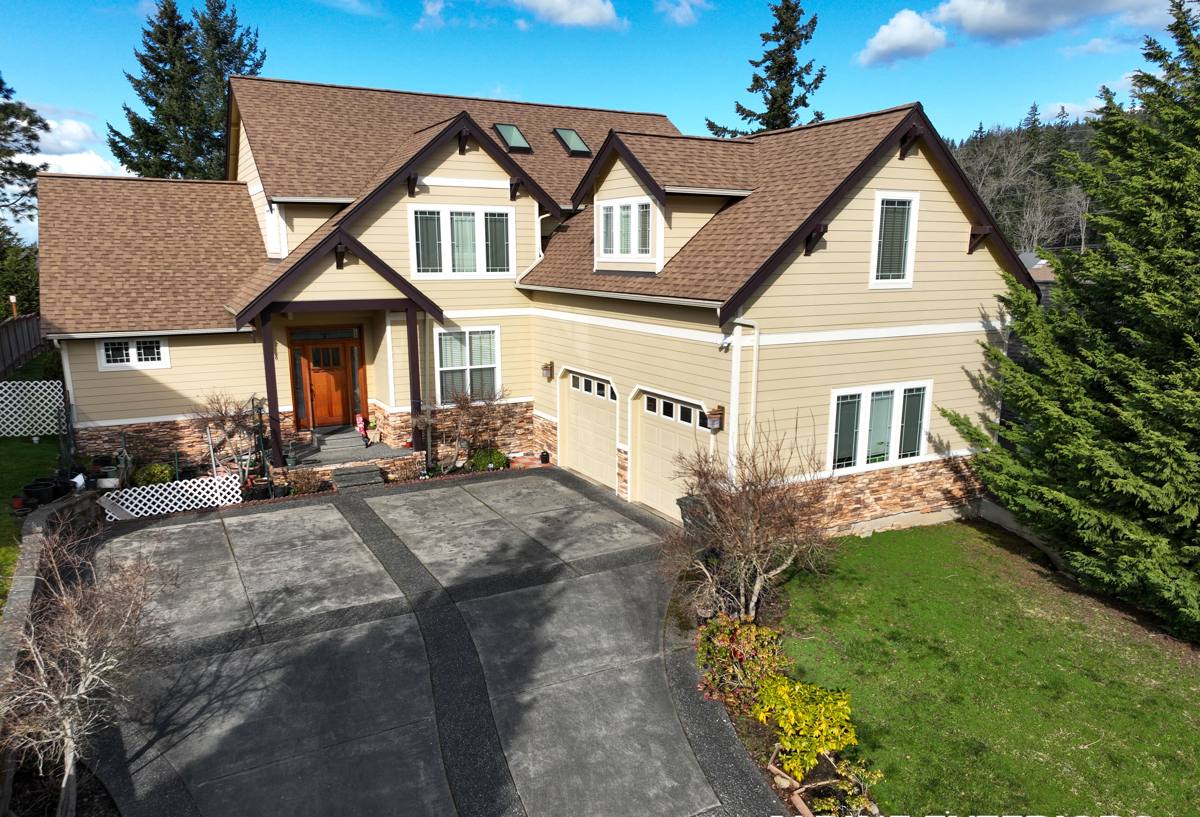
Most of the deck problems we get called out for in this area trace back to the same handful of causes: fasteners that weren't rated for coastal exposure, framing that wasn't properly flashed against a house, decking installed without gaps for drainage and movement, and railings anchored with hardware that corrodes from the inside out before anyone notices a problem on the surface.
A deck built correctly for Indian Rocks Beach needs to handle four things simultaneously:
- Sustained wind loads and gusts without loosening ledger connections or railing posts
- Constant UV exposure without premature fading, splitting, or surface breakdown
- Salt air that accelerates corrosion on any exposed metal, fastener, or connector
- Wind-driven rain that gets under railings, around post bases, and into end grain if joints aren't sealed and sloped correctly
Skipping any one of these considerations doesn't cause an immediate failure — it causes a slow one. That's what makes coastal deck problems so frustrating for homeowners: the deck looks fine for a few seasons before the real issues show up.
The Ledger Connection Is the Most Important Part of the Deck
The ledger board — where the deck attaches to the house — is the single highest-stakes connection on the entire structure. If it's flashed improperly, water works its way behind the siding or sheathing over time, leading to rot that's often hidden until it's serious. We flash every ledger connection to shed water away from the house, and we use fasteners rated for the coastal, high-moisture exposure this location sees year-round.
Material Choices: What Holds Up Here and What Doesn't
There's no single "best" decking material for every home — it depends on budget, maintenance tolerance, and how close the home sits to the water. What matters is understanding the honest trade-offs of each option before deciding, rather than assuming all decking products perform the same way in this climate.
| Material | Coastal Performance | Maintenance | Trade-offs |
|---|---|---|---|
| Pressure-treated pine | Good structurally when properly sealed and maintained | Needs re-sealing every 1-2 years in this UV and salt exposure | Lowest upfront cost; highest ongoing maintenance |
| Composite decking | Strong resistance to moisture and UV fading | Occasional washing; no sealing or staining | Higher upfront cost; surface can retain heat underfoot |
| Tropical hardwoods (e.g., ipe) | Naturally dense and rot-resistant | Periodic oiling to maintain color; will gray if left untreated | Higher material and installation cost; heavier, so framing needs to account for it |
| Aluminum decking | Excellent — doesn't rot, warp, or corrode from salt exposure | Minimal; occasional rinse | Higher cost; different look and feel underfoot than wood or composite |
We walk homeowners through this honestly rather than pushing whatever has the best margin. If a fixed budget calls for pressure-treated lumber, we'll build it correctly and set expectations on the maintenance schedule up front. If a homeowner wants a lower-maintenance long-term option, composite or aluminum make more sense for a property this close to the Gulf.
Framing and Fasteners: The Part Nobody Sees After It's Built
The decking boards get all the attention, but the framing underneath and the fasteners holding everything together are what actually determine how long a coastal deck lasts. This is also where corners get cut most often on lower-quality jobs, because it's invisible once the decking goes down.
- Fasteners and connectors: we use hardware rated for coastal and treated-lumber exposure — standard interior-grade fasteners corrode quickly in salt air and can fail well before the wood around them shows any wear.
- Post bases: elevated above standing water and moisture, not buried in soil or concrete where they'll hold moisture against the post.
- Joist spacing: tightened up from standard interior spacing to handle the wind uplift and structural demands specific to coastal, hurricane-exposed construction.
- Railings and guard posts: through-bolted into framing members, not just screwed into decking boards, so they can actually resist the lateral loads a railing needs to handle.
Permitting and Pinellas County Requirements
Deck permitting in Pinellas County exists for good reason, especially this close to the water — it's how elevation, structural, and wind-load requirements actually get verified rather than assumed. Depending on the property's exact location and elevation certificate, there can be additional considerations around flood zone requirements that affect how a deck's framing and footings are designed.
We handle the permitting process as part of the job rather than treating it as the homeowner's problem to sort out. That includes pulling the right permit, meeting current wind-load and structural requirements, and scheduling inspections at the right points in the build. Skipping this step might save a little time up front, but it creates real problems later — unpermitted structural work can complicate a home sale, an insurance claim, or a future renovation.
Our Process, Start to Finish
Every deck project follows the same sequence, regardless of size or material:
- On-site assessment: we look at the house's existing structure, the ledger attachment point, grade and drainage, and how much wind and sun exposure the specific location gets.
- Design and material discussion: honest conversation about budget, maintenance expectations, and which materials actually make sense for the site.
- Permitting: we pull the necessary permit and confirm the design meets current Pinellas County structural and wind-load requirements.
- Framing: ledger flashing, footings, joists, and post bases built to coastal-exposure standards, not the minimum code allows.
- Decking and railings: installed with correct spacing for drainage and material movement, and railings through-bolted into structural framing.
- Final inspection and walkthrough: we confirm everything passes inspection and walk the homeowner through what maintenance the specific material will need going forward.
Maintenance Expectations by Material
Part of doing this job honestly is telling homeowners what to expect after the crew leaves. A deck in Indian Rocks Beach isn't a "build it and forget it" structure no matter what material is used — the environment is too demanding for that. Here's a practical maintenance checklist we walk through with homeowners after every install:
- Rinse salt residue off the deck surface and railings periodically, especially after storms with wind off the Gulf
- Inspect fasteners and railing connections annually for early signs of corrosion
- Re-seal or re-stain wood decking on the schedule appropriate to that specific product — don't wait until it visibly fades or grays
- Check post bases and footings for standing water or debris buildup after heavy rain
- Have the structure inspected after any major storm event, even if there's no visible damage
Composite and aluminum decking cut down on most of this list, which is exactly why many homeowners this close to the water choose them despite the higher upfront cost.
Why Hiring a Crew That Already Works This Area Matters
A deck built to generic inland specifications doesn't hold up the same way here. Crews that don't regularly work barrier island properties often underestimate how much faster salt air and UV degrade standard materials and fasteners, or they aren't current on the specific structural and elevation requirements that apply to Pinellas County coastal construction. That shows up later as premature corrosion, loose railings, or a permit problem when it's time to sell the house.
We build decks throughout Seminole and the surrounding Pinellas County coastal communities, including Indian Rocks Beach, and we design every one of them around what this specific coastline actually does to a structure over time — not around a one-size-fits-all spec sheet.
Get a Straight Answer on Your Deck Project
Whether you're replacing an aging deck, adding one to a home that doesn't have one yet, or trying to figure out which material actually makes sense for your budget and location, we're happy to walk the property and give you a straightforward assessment. Request a free, no-pressure estimate using the form below, and we'll give you honest answers before any work begins.