 Seminole Siding
 Living on the Barrier Island: What Your Roof Is Up Against
Indian Rocks Beach sits out on the Gulf side of Pinellas County, and that location changes what a roof needs to survive. A roof a few miles inland in Seminole deals with heat and the occasional storm. A roof on the barrier island deals with all of that plus constant salt-laden air, near-shore wind gusts with nothing to slow them down, and wind-driven rain that gets forced sideways into every seam, vent, and fastener on the field. Add in year-round, high-angle Florida sun and you have a combination that ages roofing materials faster here than almost anywhere else in the county.
We install and repair metal roofs across Seminole and the surrounding beach communities, and Indian Rocks Beach is one of the areas where the difference between a roof that's built correctly and one that's just installed correctly shows up fastest. The wrong metal, the wrong fastener, or a shortcut on underlayment might not show a problem in year one. It shows up in year three or four, usually as rust streaking, a lifted panel edge, or a leak at a penetration that was never properly sealed for this environment.
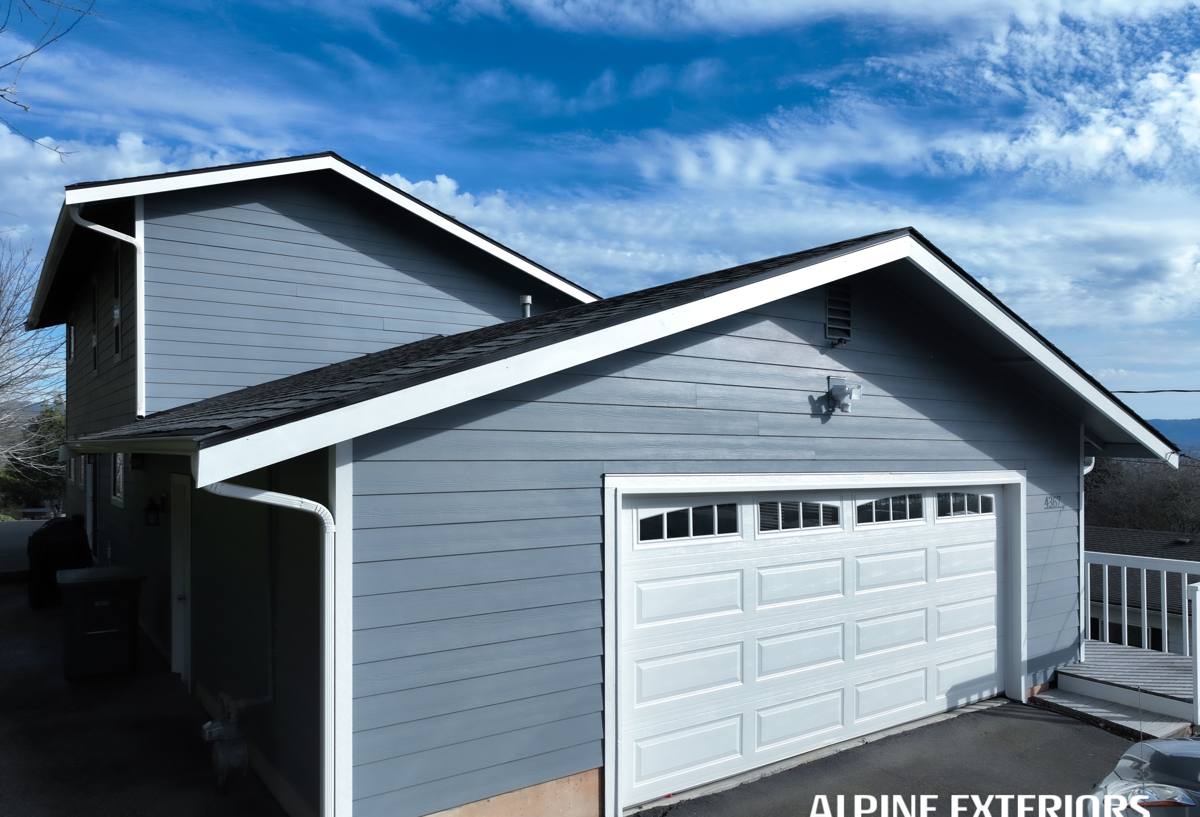
Why Metal Roofing Is a Strong Fit for This Environment
Metal isn't automatically the right choice for every home, but for barrier island exposure it solves several problems at once, which is why we see so much of it going up along the coast:
- Wind performance: A properly fastened metal panel system resists uplift far better than shingles, which rely on adhesive strips and granule-embedded surfaces that degrade with age and heat.
- UV and heat stability: Quality factory-applied coatings hold their color and reflectivity far longer than asphalt granules, which is a real advantage under Florida's intense, near-constant sun.
- No granule loss: Wind-driven rain and salt grit wear at asphalt shingle surfaces over time. Metal has no granules to shed, so it doesn't thin out or bald in patches the way shingles can.
- Long service life when installed right: A correctly specified and installed metal roof can outlast two or more shingle roof cycles, which matters on a barrier island where re-roofing access and disruption are bigger hassles than on a typical inland lot.
None of that means metal is maintenance-free or bulletproof. It means it starts from a stronger baseline than most alternatives when the job is done correctly with materials matched to this specific environment.
Choosing the Right Metal Roofing System
"Metal roof" isn't one product — it's a category, and the right one depends on your roof's slope, your budget, and how much exposed hardware you're comfortable maintaining.
Standing Seam
Panels with concealed fasteners that interlock at raised seams. This is generally our recommendation for full Gulf-side exposure because there are no exposed screw heads for salt air and UV to attack over time, and the panels can accommodate thermal movement without stressing the fastening points.
Exposed-Fastener Panel
A more economical panel system with screws driven directly through the panel face, using rubber-washered fasteners. It performs well and costs less up front, but those exposed fasteners and washers are the first thing to wear in a salt-air environment, so this system requires more attentive long-term maintenance near the water.
Metal Shingle or Shake Panels
Stamped panels designed to mimic shingle or tile profiles while retaining metal's wind and weather performance. A good option where a homeowner wants metal's durability without the look of standing seam panels.
| System | Fastening | Maintenance Near the Gulf | Best Fit |
|---|---|---|---|
| Standing Seam | Concealed clips, no face penetrations | Lowest — few exposed points for salt to attack | Direct Gulf exposure, long-term ownership |
| Exposed-Fastener Panel | Screws through panel face | Higher — washers and fasteners need periodic inspection | Budget-conscious projects, sheds/porches |
| Metal Shingle/Shake | Interlocking stamped panels | Moderate | Homeowners who want a traditional look with metal performance |
Metal, Gauge, and Coatings That Actually Hold Up to Salt Air
The panel system is only half the decision. What the panel is made of, and how it's coated, determines whether it still looks and performs well in ten years or starts showing corrosion in three.
Aluminum vs. Coated Steel
Aluminum doesn't rust — it's naturally resistant to the salt corrosion that's the biggest long-term threat this close to the Gulf, which is why we lean toward it for homes with direct, unobstructed water exposure. Coated steel (typically Galvalume or galvanized steel with a factory paint finish) costs less and performs well in most of Seminole, but it depends entirely on that coating staying intact — any scratch, cut edge, or worn spot becomes a starting point for rust in a salt environment.
Coating Systems
Not all factory finishes are equal. Premium PVDF-based coatings hold color and chalk resistance far longer under intense UV than basic polyester paint systems. We'll walk you through what's actually on a given panel line rather than assuming every "painted metal roof" is the same product.
Fastener and Flashing Compatibility
Mixing incompatible metals — for example, the wrong fastener alloy against a given panel type — sets up galvanic corrosion, where one metal accelerates the breakdown of the other. It's a mistake that isn't visible on install day and shows up as staining and pitting a year or two later. Every fastener, flashing piece, and trim component on your roof needs to be compatible with the panel metal, not just close enough.
How We Install a Metal Roof Built for This Climate
The process matters as much as the material. Here's what a correct install looks like on a barrier island home:
1. Inspection and Deck Assessment
We check the roof deck for soft spots, prior water damage, and structural condition before anything else. Metal only performs as well as what it's fastened to.
2. Tear-Off or Overlay Decision
In some cases metal can be installed over an existing roof with the right furring or batten system, where code and roof condition allow it. More often on beach-exposed homes we recommend a full tear-off, since it lets us inspect and repair the deck and start the underlayment fresh rather than layering over unknown conditions.
3. Underlayment for Wind-Driven Rain
We use self-adhering, high-temperature underlayment across the whole deck, with extra attention at eaves, valleys, and penetrations — the spots where wind-driven rain gets forced in sideways during a storm. This layer is what keeps water out if wind ever lifts or stresses a panel seam.
4. Panel Installation and Attachment
Panels are fastened using a pattern and clip spacing matched to the panel manufacturer's wind-uplift specifications for this coastal wind exposure, not a generic inland pattern. Corners and edges — the highest-stress zones in a wind event — get tighter fastening spacing.
5. Flashing, Penetrations, and Ridge Details
Every pipe boot, vent, skylight curb, and ridge cap is flashed and sealed individually. These details are where the overwhelming majority of roof leaks start, on any roof type, and they deserve more attention than the open field of panels.
6. Cleanup and Final Walkthrough
We clear job-site debris, magnet-sweep for stray fasteners, and walk the finished roof with you before calling the job done.
Permitting, Wind Requirements, and Elevated Homes
Roofing work in Indian Rocks Beach requires a permit through the appropriate local building department, and the installed system has to meet Florida's wind-borne debris and uplift requirements for this coastal region — this isn't optional paperwork, it's what determines whether your fastening pattern and underlayment spec are actually adequate for where you live. A crew unfamiliar with barrier island permitting can misjudge these requirements or submit a spec that gets kicked back, which delays the job.
Many Indian Rocks Beach homes are also elevated on pilings, with lower-slope porch roofs, connector roofs, and carport structures that don't always match the main roof's pitch or framing. Each of those areas can need a different detailing approach — a low-slope porch roof, for instance, has different water-shedding requirements than a steep main roof — and we account for that as part of the same project rather than treating it as an afterthought.
What Affects Your Cost
Metal roofing costs more up front than asphalt shingles, and the range for a given home depends on several factors more than on any single "price per square foot" number.
| Factor | How It Affects Price |
|---|---|
| Panel system | Standing seam costs more than exposed-fastener panel or metal shingle systems |
| Metal type | Aluminum generally costs more than coated steel but resists corrosion better long-term |
| Roof complexity | Valleys, dormers, multiple roof planes, and porch tie-ins add labor and flashing work |
| Tear-off vs. overlay | Full tear-off adds cost but allows deck repair and a clean underlayment install |
| Coating grade | Premium PVDF finishes cost more than basic polyester paint systems but hold up longer under UV |
| Accessibility | Elevated or pilings-based homes and tight beach lots can affect staging and labor time |
We give straightforward, itemized estimates so you can see where the cost is actually going rather than a single lump number.
Questions Worth Asking Any Contractor Before You Hire
- Do you pull permits directly and handle the wind-uplift and wind-borne debris documentation, or does that fall on me?
- What panel gauge, metal type, and coating are actually specified in my quote — not just "metal roof"?
- What underlayment are you using, and is it rated for the exposure my home actually has?
- How do you handle flashing at penetrations, valleys, and roof-to-wall transitions?
- What's the workmanship warranty, separate from the manufacturer's material warranty?
- Do you regularly work on barrier island or elevated homes, or is this an unfamiliar structure type for your crew?
Keeping a Metal Roof Performing Near the Gulf
A correctly installed metal roof needs less maintenance than shingles, but "less" isn't "none" — especially this close to open salt water.
- Rinse accumulated salt spray and debris off the roof surface periodically, especially after storms with onshore wind.
- Keep gutters and valleys clear so water doesn't sit against panel seams or fastener points.
- Have fasteners and washers on exposed-fastener systems inspected every couple of years — they're the first component to show wear.
- Check sealant at penetrations and flashing annually; sealant is a maintenance item on any roof type, metal included.
- After any major storm, have the roof looked at for lifted edges, dented panels, or displaced flashing before small damage becomes a leak.
None of this is difficult, but it does need to actually happen — a metal roof that's ignored for a decade in a salt environment won't perform the way one that gets basic periodic attention will.
Why a Crew That Already Works Indian Rocks Beach Matters
The technical side of a metal roof — panel choice, coating, fastening pattern, underlayment — only pays off if it's matched correctly to the specific exposure your home actually has. A crew that mostly works inland projects can install a metal roof that's perfectly adequate for Seminole's inland neighborhoods and still be underspecified for a home taking direct Gulf wind and salt spray in Indian Rocks Beach. Local experience means knowing which details actually matter here: the fastener spacing at exposed corners, the underlayment coverage at low-slope porch tie-ins, the metal type that won't need attention again in five years, and the permitting path for this specific stretch of coastline.
If you're considering a metal roof for your Indian Rocks Beach home — whether it's new construction, a full replacement, or repair work on an existing metal roof — we're happy to take a look and walk you through what your specific home actually needs. Reach out for a free, no-pressure estimate using the form below.