 Seminole Siding
 James Hardie Siding for Belleair Homes
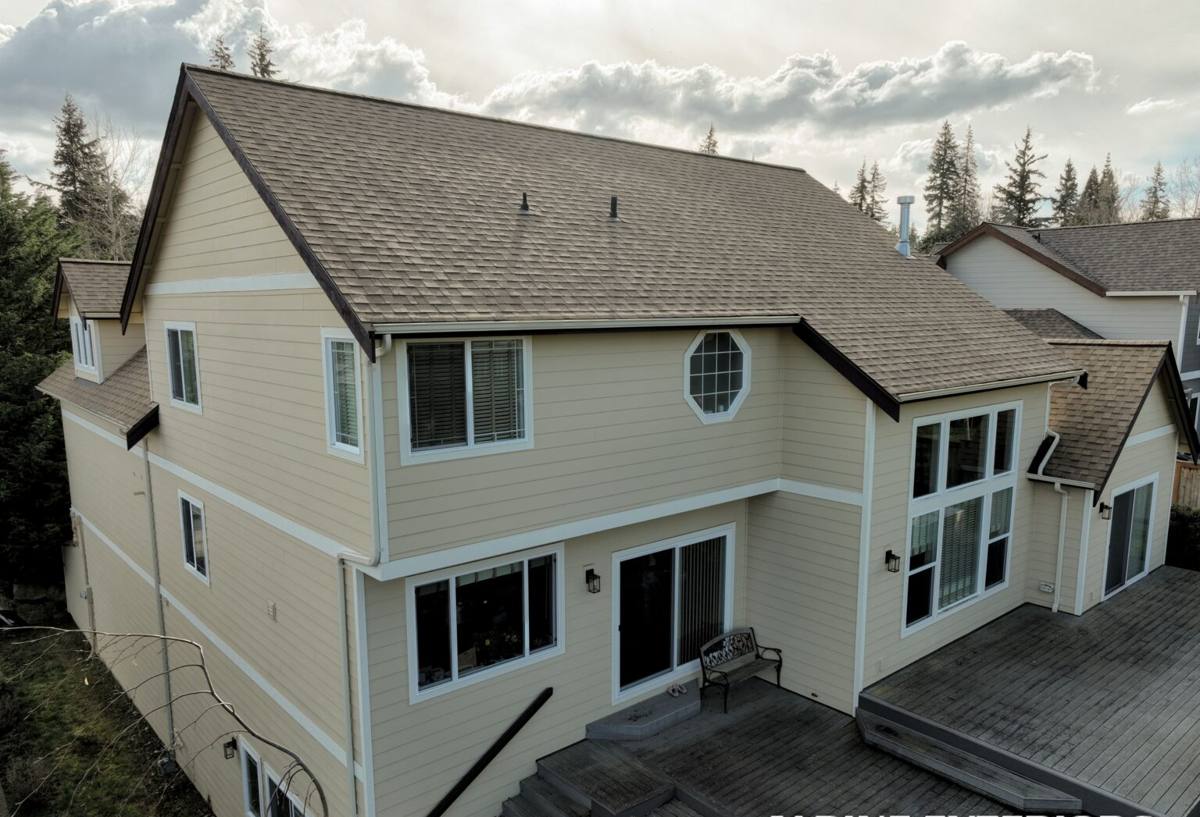
Belleair sits close enough to open water that its homes take a different kind of beating than houses further inland in Pinellas County. Salt-laden air, near-constant humidity, intense UV exposure, and the real possibility of hurricane-force wind and wind-driven rain all combine to shorten the life of siding that isn't built for this specific environment. We install James Hardie fiber cement siding exclusively, and on a property in Belleair, that choice isn't cosmetic — it's about putting a material system on the house that was engineered for exactly these conditions, installed the way the manufacturer actually specifies.
This page focuses on one job in one place: what a correct James Hardie installation looks like on a Belleair home, why the local climate makes the details non-negotiable, and how our process protects the investment you're making.
What Belleair's Climate Actually Does to Siding
It's easy to talk about "coastal weather" in the abstract. On a real house, it breaks down into a few specific stresses that compound over time:
Salt Air and Corrosion
Proximity to the Gulf means airborne salt settles on exterior surfaces year-round, not just after a storm. Salt accelerates corrosion of fasteners, trim, and any metal flashing that isn't properly rated or protected. It also degrades cheaper coatings and finishes faster than manufacturers' published test data assumes for inland climates, which is one reason we treat every fastener and flashing detail as a corrosion-resistance decision, not an afterthought.
UV Exposure
Florida sun is intense and consistent nearly every month of the year. Paint-grade siding, and factory finishes that aren't engineered for UV, chalk, fade, and crack well before their expected service life. A finish that looks good in a showroom sample can perform very differently after a few Florida summers.
Wind-Driven Rain
Pinellas County storms rarely deliver rain straight down. Wind pushes water sideways and upward into laps, joints, and penetrations that a well-designed system is built to shed — and that a poorly installed system will let in. Most siding failures we see aren't a failure of the material itself; they're a failure of flashing, gapping, or fastening details that let wind-driven water behind the cladding.
Hurricane-Force Wind
Belleair falls within wind zones where siding attachment isn't just about holding the boards up in a breeze — it's about surviving sustained high wind and wind-borne debris impact without panels lifting, cracking, or pulling free. Fastener spacing, embedment, and product selection all matter more here than in a low-wind inland market.
Why James Hardie, Specifically, Fits This Environment
James Hardie fiber cement is non-combustible, dimensionally stable, and formulated to resist moisture-driven swelling, warping, and rot in ways that wood-based and engineered-wood siding products cannot match. For Belleair, three things matter most:
- HZ5 engineered formulation — Hardie's HZ product line is engineered specifically for high-humidity, moisture-prone climates like ours, rather than a one-size-fits-all national formula.
- ColorPlus factory finish — a baked-on, multi-coat finish applied under controlled factory conditions holds color and resists UV fade and salt exposure far better than field-applied paint, and it comes with its own finish warranty.
- Non-combustible core — fiber cement doesn't feed a fire the way wood-based or foam-backed products can, which matters for insurance and for straightforward peace of mind.
We don't install LP SmartSide, vinyl, Cemplank, Allura, or bare wood siding. Each of those products has legitimate uses somewhere, but for a Belleair home facing this specific combination of salt, sun, wind, and rain, we've made James Hardie our standard because it's the system we're confident will perform to spec, backed by a strong transferable warranty, when it's installed correctly.
The Hardie Product Lines We Use Locally
| Product | Typical Use | Why It Fits Belleair |
|---|---|---|
| HardiePlank Lap Siding | Primary wall cladding, most home styles | Widest range of profiles and ColorPlus finishes; proven performance in coastal wind and rain |
| HardiePanel Vertical Siding | Accent walls, modern or coastal-style facades | Clean vertical lines that hold up well against UV and salt exposure |
| HardieShingle Siding | Gable accents, coastal cottage detailing | Textured look without the moisture vulnerability of wood shingle |
| HardieTrim Boards | Corners, fascia, window and door trim | Resists the swelling and rot that plague wood trim in humid coastal air |
What a Correct Installation Actually Involves
The single biggest factor in how James Hardie siding performs isn't the product — it's the installation. Hardie publishes detailed fastening, clearance, and flashing specifications, and in a climate like Belleair's, skipping or shortcutting any of them shows up as a problem years earlier than it should.
Water Management Comes First
Before a single piece of siding goes up, the wall needs a correctly lapped weather-resistive barrier, properly integrated flashing at every window, door, and penetration, and drainage planes that let any incidental moisture escape instead of pooling behind the cladding. This is the part of the job that's invisible once the siding is on — and the part that determines whether the wall assembly survives the next decade of wind-driven rain.
Clearances and Gaps
Hardie specifies minimum clearance from roof lines, decks, and grade, plus gapping at butt joints and terminations to allow for expansion and drainage. Tight, gapless installations trap moisture and are one of the most common causes of premature failure — usually the result of a crew prioritizing appearance over spec.
Fastening for Wind Zones
Fastener type, spacing, and embedment depth all change based on local wind exposure. A home in a high-wind coastal zone needs a tighter, more deliberate fastening pattern than the same product installed inland. We fasten to the wind-zone requirements that apply to Belleair, not a generic national minimum.
Caulking and Sealant Discipline
Hardie's specifications call for sealing specific joints and leaving others open to drain. Over-caulking traps water; under-caulking lets it in. Knowing which is which at every trim intersection is a detail that separates a correct install from a fast one.
Installation Shortcuts We Won't Take
| Detail | Correct Approach | Common Shortcut |
|---|---|---|
| Fasteners | Corrosion-resistant, spec'd for local wind zone, correct embedment | Standard fasteners, wider spacing to save time |
| Flashing | Fully integrated with weather barrier at every penetration | Caulk used in place of proper flashing |
| Clearances | Manufacturer minimums maintained at roof, deck, and grade | Siding run tight to save trim work |
| Joint gaps | Gapped and sealed per Hardie spec for expansion/drainage | Butted tight for a "seamless" look |
| Cut edges | Sealed and primed before installation | Left raw, inviting moisture uptake |
Our Process, Start to Finish
For a Belleair project, the process runs the same way every time, because consistency is what prevents callbacks:
- On-site assessment — we inspect the existing wall assembly, note moisture damage, trim condition, and any structural issues that need addressing before new siding goes on.
- Product and color selection — we walk through Hardie lines and ColorPlus color options suited to the home's style and the neighborhood's aesthetic.
- Written estimate — scope, product, and price laid out clearly, with no vague allowances.
- Tear-off and substrate prep — old siding removed, sheathing inspected and repaired as needed, weather barrier installed correctly before anything else happens.
- Flashing and water management — every window, door, and penetration detailed before the first course of siding is hung.
- Installation to spec — fastening, clearances, and gapping done to Hardie's published requirements for this wind zone and climate.
- Final walkthrough — we go over the finished work with the homeowner before calling the job done.
Why Hiring a Crew That Already Works Belleair Matters
Coastal Pinellas County construction isn't the same as building inland. Wind-load requirements, moisture management expectations, and the realities of salt air exposure all shape how a job should be scoped and installed. A crew that regularly works in Belleair and the surrounding coastal communities already understands:
- How local wind exposure affects fastening patterns and product selection
- Which trim and flashing details actually hold up against salt air over time
- How to sequence a project around Florida's rain patterns to protect an open wall
- What local permitting and inspection expectations look like for exterior work in this area
That familiarity isn't a marketing point — it directly affects whether the details above get done right the first time, without relearning coastal-specific lessons on your house.
Maintenance and Long-Term Care
James Hardie siding, correctly installed, is low-maintenance — but "low" isn't "zero," especially near the coast. A simple annual routine keeps it performing:
- Rinse salt residue and airborne grime off the surface periodically, especially after long dry stretches followed by rain
- Inspect caulked joints annually for cracking or separation and re-seal as needed
- Check trim and corner boards after major storms for impact damage or lifted fasteners
- Keep landscaping and irrigation from spraying directly onto the siding, which accelerates staining and moisture exposure at the base
- Address any paint or ColorPlus finish chips promptly to prevent moisture intrusion at the exposed edge
What Affects Project Cost
| Factor | Why It Matters |
|---|---|
| Home size and wall complexity | More corners, penetrations, and stories mean more flashing and trim detail work |
| Substrate condition | Rotted or damaged sheathing found during tear-off adds repair scope |
| Product selection | Lap, panel, and shingle profiles, plus trim choices, price differently |
| Existing siding removal | Type and condition of the material being replaced affects labor time |
| Color and finish | Standard ColorPlus colors versus custom options can shift cost |
We won't quote a firm number without seeing the house, but we'll give you a clear, itemized estimate with no vague allowances once we have.
If you're weighing siding options for a home in Belleair, we're happy to walk the property, look at what's there now, and put together a straightforward, no-pressure estimate for James Hardie siding done to spec for this climate. Use the form below to get started.