 Seminole Siding
 Building a Deck That Actually Holds Up in Kenneth City
Kenneth City sits tucked inside Pinellas County, surrounded by the same subtropical weather that shapes every outdoor structure on this part of the Gulf coast. A deck built here does a lot more work than a deck in a drier, cooler climate. It has to shrug off months of direct UV exposure, survive wind-driven rain that gets pushed sideways under railings and across decking boards, resist the slow corrosive creep of salt-laden air coming off the coast, and stay anchored through hurricane-force wind events that put real uplift and lateral load on every fastener and footing. A deck that isn't built with that in mind doesn't fail dramatically — it fails slowly, through soft spots, rust streaks, cupped boards, and railings that loosen year after year.
This page focuses specifically on custom deck work for homes in Kenneth City. It's meant to walk you through what the local climate actually does to a deck, what a correctly built deck involves from the ground up, and what our process looks like when we build one for you.
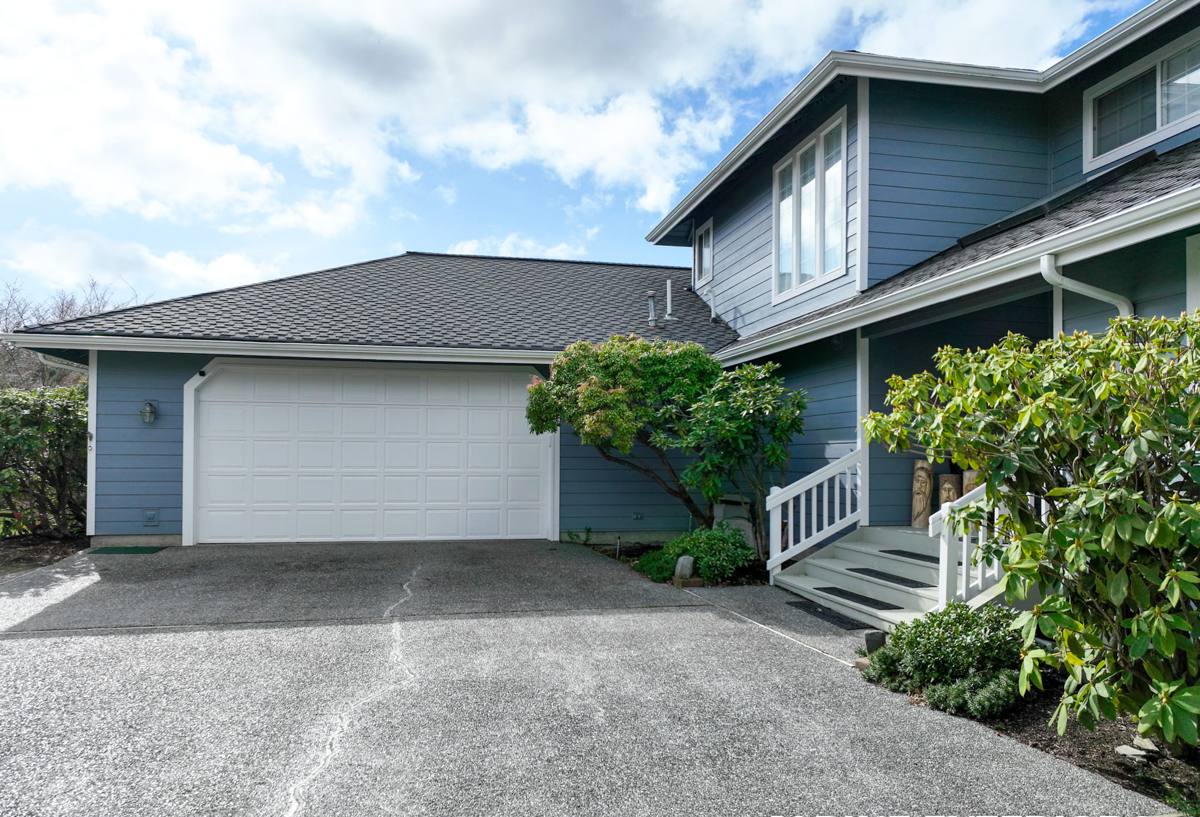
What Pinellas County Weather Does to an Outdoor Deck
UV and Heat
Florida sun is relentless on exposed wood and composite fibers alike. Untreated or poorly sealed wood grays and checks (small surface cracks) within a season or two. Composite decking that isn't rated for high-UV climates can fade unevenly, especially on boards that get full afternoon sun versus boards shaded by a roofline.
Wind-Driven Rain
Rain in this region rarely falls straight down. Storms push moisture sideways and underneath structures, which means the underside of a deck — joists, ledger connections, post bases — gets wet almost as often as the top surface. Decks that only weatherproof the visible boards and ignore the framing underneath end up rotting from the inside out.
Salt Air
Even away from the immediate waterfront, Pinellas County's proximity to the Gulf means salt-laden air travels inland on a regular basis. Standard steel fasteners, brackets, and hangers corrode faster here than in inland climates. Corrosion at a joist hanger or a post-to-beam connector isn't cosmetic — it's a structural problem waiting to surface.
Hurricane-Force Wind
Every deck built in this area needs to be engineered with wind uplift and lateral racking in mind, not just the static weight of people and furniture. Railings, ledger attachments, and post connections are often the first things to loosen or fail in a wind event if they weren't specified and installed correctly the first time.
Choosing the Right Decking Material for This Climate
There's no single "best" decking material for every home — the right choice depends on budget, maintenance tolerance, and how much direct sun and moisture exposure the deck will see. Here's how the common options compare for a Kenneth City property specifically.
| Material | Upfront Cost | Maintenance | Climate Notes |
|---|---|---|---|
| Pressure-treated wood | Lowest | Annual cleaning and re-sealing recommended | Needs consistent sealing to resist UV graying and moisture intrusion; a skipped year shows |
| Composite decking | Mid-range | Periodic washing, no sealing/staining | Look for boards rated for high-UV, high-humidity climates; lower-grade composite can fade or swell at board ends |
| PVC/capped composite | Highest | Lowest — occasional washing | Best moisture resistance of the group; capped outer layer resists salt-air staining and fading |
| Tropical hardwoods (e.g., ipe) | High | Regular oiling to maintain color | Naturally dense and rot-resistant, but still needs UV protection to prevent silvering |
We'll walk through these trade-offs with you honestly rather than pushing whatever has the best margin. A homeowner who wants a low-maintenance deck and plans to stay in the home long-term is usually better served by composite or PVC decking. A homeowner comfortable with yearly upkeep can get a good result from pressure-treated wood at a lower upfront cost.
Why We're Selective About Which Composite Products We Install
Not all composite decking is built the same. Some early-generation composite boards without a full protective cap absorbed moisture at the core and were prone to swelling, mold growth, and fading in hot, humid climates like ours. Our standard is to install fully capped composite or PVC products with manufacturer warranties that specifically cover coastal and high-UV climates. It's a matter of picking materials engineered for this exact set of conditions, not making blanket claims about any one brand.
The Structure Underneath Is What Determines Whether a Deck Lasts
Decking boards are the part everyone sees, but the framing underneath is what actually determines whether a deck lasts 10 years or 25. A correctly built deck in this climate includes:
- Ledger board flashing that keeps water from working its way behind the house's siding or sheathing where the deck attaches
- Corrosion-resistant hardware — hot-dip galvanized or stainless fasteners, joist hangers, and post bases rated for coastal exposure
- Hurricane ties and uplift connectors at post-to-beam and beam-to-ledger connections, sized to the deck's actual wind exposure
- Proper footing depth for Pinellas County soil conditions, sized to the deck's load and height rather than a one-size-fits-all footing
- Joist spacing and blocking that accounts for the specific decking material chosen, since composite and PVC often require tighter spacing than wood
- Ventilation gaps between deck boards and around the perimeter so trapped moisture can dry out instead of sitting against the framing
Skipping any one of these doesn't show up on day one. It shows up two or three years later as a soft board, a wobbly rail post, or a rusted hanger bracket — problems that are far more expensive to fix after the fact than to build correctly the first time.
Permits, Codes, and Wind Ratings
Deck construction in Pinellas County is permitted work, and for good reason — the county's building code accounts for the same wind and moisture exposure discussed above. A permitted deck project typically involves an engineered or code-compliant plan for footing size and spacing, railing height and baluster spacing (code generally requires guards on elevated decks with balusters spaced to prevent a small child from passing through), and inspection at the framing stage before decking boards go down, plus a final inspection.
We handle the permitting process as part of the job rather than leaving it to the homeowner to navigate. Skipping permits on deck work is a common shortcut some contractors take to save time, but it leaves the homeowner without an inspection record — which can become a real problem at resale or if an insurance claim is ever tied to the structure.
Our Custom Deck Process
1. On-Site Assessment
We start at the property to look at grade, drainage, sun exposure, existing structure attachment points, and how the deck will be used — entertaining, grilling, a hot tub, direct pool access — since that changes the framing requirements.
2. Design and Material Selection
We go over decking material, railing style, and layout options, along with honest cost and maintenance trade-offs for each, so the decision fits your budget and how much upkeep you actually want to do.
3. Permitting and Engineering
We prepare and submit the permit package to the county, including footing and framing specifications sized to the deck's height, span, and wind exposure.
4. Framing and Inspection
Footings, posts, beams, and joists go in first, with corrosion-resistant hardware and hurricane connectors throughout. This stage gets inspected before any decking boards are installed, so problems are caught while they're still easy to fix.
5. Decking, Railing, and Finish Work
Boards, railings, stair systems, and any trim or fascia go on last. For wood decks, this is also when the first coat of sealant is applied.
6. Final Walkthrough
We walk the finished deck with you, cover the maintenance schedule for the material you chose, and make sure everything from railing stability to board fastening meets our standard before we call the job done.
Fasteners and Hardware: The Detail Most Decks Get Wrong
A deck is only as strong as its weakest connection, and in a salt-air climate that connection is usually a fastener rather than a board. Standard zinc-coated screws and brackets can start showing surface rust within a few years of coastal exposure, and once corrosion starts at a joist hanger or ledger bolt, it weakens the very connection carrying the structural load. We use stainless steel or heavy hot-dip galvanized fasteners and hardware rated for coastal and treated-lumber contact throughout the frame, not just on the visible surface. For composite and PVC decking, we also use hidden fastener systems where the product allows it, which keeps water from pooling in screw heads on the walking surface — a common source of premature board damage.
What to Expect for Deck Maintenance in Kenneth City
Every decking material needs some upkeep in this climate — the difference is how much and how often. A rough seasonal checklist for most decks in this area looks like:
- Rinse off pollen, salt residue, and debris every few weeks, especially after storms
- Check railing posts and stair stringers for movement once or twice a year
- Inspect fastener heads and hardware for rust or loosening annually
- For wood decks: clean and re-seal or re-stain on the schedule recommended for the specific wood species and sealant used
- For composite or PVC: wash with mild soap and water as needed — no sealing required, but keep an eye on end caps and trim
- Clear leaves and debris from between boards and around footings to keep moisture from sitting against the structure
None of this is complicated, but it matters more here than it would in a drier climate. A deck that gets this basic attention will consistently outlast one that doesn't, regardless of material.
Why Hiring a Crew That Already Works in Kenneth City Matters
Building a deck that holds up to Pinellas County's combination of sun, humidity, salt air, and storm wind takes more than general carpentry skill — it takes familiarity with how those conditions actually play out on decks in this specific area over time. A crew that regularly works in and around Kenneth City already knows which hardware holds up, which materials perform well against the local UV and salt exposure, and how the county's permitting and inspection process runs in practice, not just on paper. That local track record shortens the learning curve on your project and reduces the chance of the kind of hidden framing or hardware shortcuts that don't show up until years later.
If you're planning a new deck or replacing one that's showing its age, we're happy to take a look and put together a straightforward plan and a free, no-pressure estimate — just fill out the form below to get started.