 Seminole Siding
 Why Decks Fail Faster in Redington Beach
Redington Beach sits right on the Gulf, and that barrier-island location is exactly what makes deck replacement here a different job than it is a few miles inland in Seminole. Salt-laden air moves through this area constantly, and it doesn't just sit on the surface of a deck — it works its way into every joint, fastener, and cut edge of the wood or composite decking above it. Add in intense year-round UV exposure, wind-driven rain that gets pushed sideways under railings and through gaps, and the occasional hurricane-force wind event, and you have a structure that's under constant attack from four directions at once.
Most decks in this part of Pinellas County don't fail because the original build was cheap. They fail because the materials and hardware weren't matched to this specific environment, or because a repair patched the visible problem without addressing what was happening underneath. By the time boards are visibly cupping, splintering, or springy underfoot, the structural framing below has often been dealing with moisture and corrosion for years.
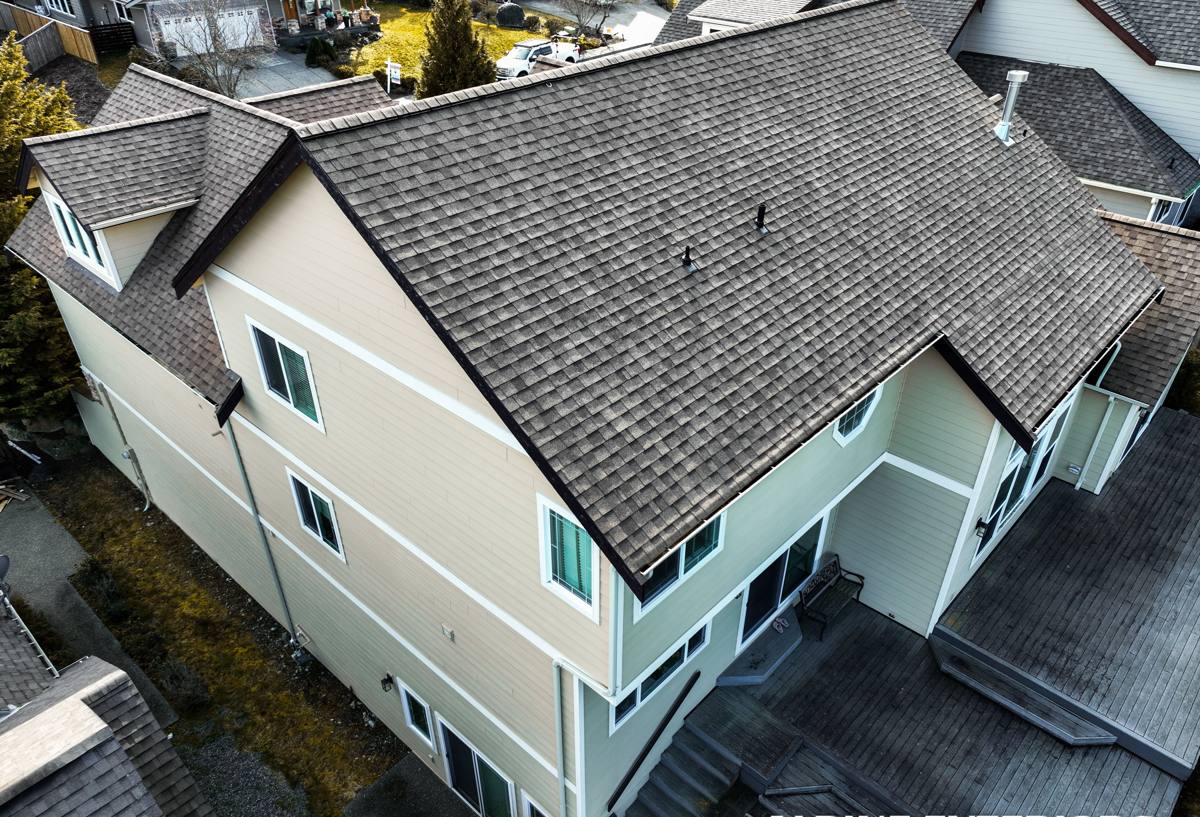
Repair or Replace? Reading the Signs
Not every aging deck needs a full replacement, but a lot of decks that get repaired here should have been replaced instead. Here's how we tell the difference on an inspection.
Signs a repair might still be enough
- A handful of isolated boards are cracked or splintering, but the frame underneath is solid and dry
- Railings are loose at one or two points but the posts themselves aren't rotted
- Fasteners are surface-rusted but not failing, and the deck doesn't flex or bounce
Signs you're looking at a replacement
- Soft, spongy, or springy spots anywhere in the decking or framing
- Visible rot, discoloration, or fastener staining around the ledger board (where the deck attaches to the house)
- Rust bleeding from multiple fastener locations, or fasteners that back out or spin freely
- Posts or footings that have shifted, settled, or show cracking at grade level
- A deck that predates current wind-load and railing code requirements
If your deck is showing more than one of the replacement signs, patching it usually just delays the cost while adding a safety risk in the meantime — especially with a coastal wind event always a possibility here.
What a Correct Deck Replacement Actually Involves
A deck replacement isn't just pulling up old boards and screwing down new ones. Done right, it starts below the surface.
Structural framing first
We evaluate and typically replace the ledger board connection, joists, beams, and posts as part of the job — not just the decking on top. In a salt-air environment, framing lumber that looks fine from a few feet away can have fastener corrosion or moisture damage at the connection points that won't show until the deck is under load. The ledger board flashing — the detail that keeps water from getting behind the house siding where the deck attaches — gets special attention, since a failed ledger flashing is one of the most common sources of hidden rot in coastal decks.
Footings and post bases
Footing depth and post-to-footing connections need to meet current code for wind uplift resistance, not just gravity load. This matters more here than in most parts of the country — a deck built to resist someone standing on it is not automatically built to resist wind trying to lift it off the house.
Railings and guards
Railing height, baluster spacing, and guard strength all have code minimums, and older decks in this area are frequently out of compliance simply because they were built before current requirements. Replacement is the natural point to bring these up to standard.
Choosing the Right Decking Material
There's no single "best" decking material — there's the material that fits your budget, your maintenance appetite, and how close your home sits to the salt air. We'll walk through the honest trade-offs rather than push whatever has the best margin.
| Material | Coastal Durability | Maintenance | Typical Lifespan Here |
|---|---|---|---|
| Pressure-treated wood | Good, if fasteners and sealing are done right | Annual sealing/staining recommended | 10-15 years |
| Composite decking | Very good; resists rot and salt staining | Occasional washing, no sealing | 20-25+ years |
| PVC/capped decking | Excellent; fully resists moisture absorption | Lowest maintenance of the three | 25-30+ years |
| Tropical hardwoods | Very good if properly finished | Regular oiling to prevent graying/cracking | 15-25 years |
Composite and PVC decking have become the more common choice for homes this close to the Gulf, mainly because they don't absorb moisture the way wood does, which means less cupping, less splitting, and no repeat sealing cycles. Pressure-treated wood is still a reasonable, lower-cost option — it just requires more consistent upkeep to get a comparable lifespan in this climate.
The Hardware Decision Most Homeowners Never Think About
The decking material gets all the attention, but the fasteners, joist hangers, and structural connectors are what actually fail first in a salt-air environment. Standard galvanized hardware corrodes noticeably faster within a mile or two of the Gulf than it does further inland. We use stainless steel or coastal-rated coated fasteners and connectors on deck replacements in this area specifically because the cost difference upfront is small compared to the cost of a deck that needs its framing reworked in eight years instead of twenty.
This is also one of the easiest places for a lower-cost bid to cut corners, because the hardware is largely invisible once the decking is installed. It's worth asking directly what fastener and connector spec any contractor is planning to use before work starts.
Permitting and Code in Pinellas County
Deck replacement work in Seminole and the surrounding Pinellas County barrier island communities generally requires a permit, and inspections along the way for framing and final approval. This isn't paperwork for its own sake — it's what confirms the footings, framing, and railings actually meet current wind-load and safety code rather than just looking finished. Skipping this step can create real problems later, from insurance complications to issues at resale when a permit history doesn't match the work that was done. We handle the permitting and inspection scheduling as part of the job.
Our Deck Replacement Process
- On-site evaluation — we inspect the existing decking, framing, ledger connection, and footings to determine full scope, not just what's visible from the top
- Material and design discussion — we go over decking material, railing style, and any layout changes you want, with honest pros and cons for each
- Permit and code review — we confirm what's required for your specific property and pull the permit
- Demo and structural rebuild — old decking, and any compromised framing, footings, or ledger connections, come out and get rebuilt to current code
- Decking, railing, and finish work — new decking and railings go in with coastal-rated fasteners and hardware throughout
- Final inspection and walkthrough — we confirm everything passes and walk the finished deck with you
What to Ask Before Hiring a Deck Contractor Here
- Are you licensed and insured to do structural deck work in Pinellas County?
- Will you pull the permit, and does your bid include inspection scheduling?
- What fastener and hardware spec are you using — standard galvanized or stainless/coastal-rated?
- Are you replacing or just resurfacing the framing, ledger connection, and footings?
- Do you have experience with decks specifically in barrier island or immediate coastal conditions, not just Florida generally?
- What does your warranty cover — materials, labor, or both?
A contractor who answers these clearly and specifically, without hedging, is usually one who's done this work in this exact environment before.
Why Local Experience in Redington Beach Matters
Building or replacing a deck for coastal Pinellas County isn't the same skill set as general carpentry, and it isn't even quite the same as deck work a few miles inland in Seminole. A crew that regularly works Redington Beach and the surrounding beach communities already knows which fastener grades hold up, how the ledger flashing needs to be detailed against wind-driven rain, and what the local permitting process expects for footings and railings on a barrier island lot. That experience shows up in fewer surprises during the build and a deck that's still solid well past the point where a generic build would be showing rust streaks and soft boards.
If your deck is showing its age, or you're just not sure whether it's a repair or a replacement situation, we're happy to take a look and give you a straight answer. Reach out for a free, no-pressure estimate using the form below.