 Seminole Siding
 Largo's Climate Is Hard on Roofs
Largo sits in the middle of Pinellas County, close enough to the Gulf that every roof in the area deals with the same combination of stresses: hurricane-force wind gusts during storm season, intense UV exposure nearly year-round, wind-driven rain that gets pushed sideways into laps and flashing, and salt air that slowly corrodes metal components. None of these forces act alone. A roof that's already brittle from UV exposure is far more likely to lose shingles or tiles in a wind event, and a roof with compromised flashing is far more likely to leak once wind-driven rain starts working its way in. Roof repair in this climate isn't just patching a hole — it's addressing whichever of these factors actually caused the failure, so the same spot doesn't fail again next season.
Because Largo homes range from older ranch-style roofs to newer construction, the right repair approach depends heavily on age, roofing material, and how the roof has been maintained. There's no one-size-fits-all fix, which is part of why a generic, out-of-town approach to roof repair tends to underperform here.
Signs a Largo Roof Needs Repair
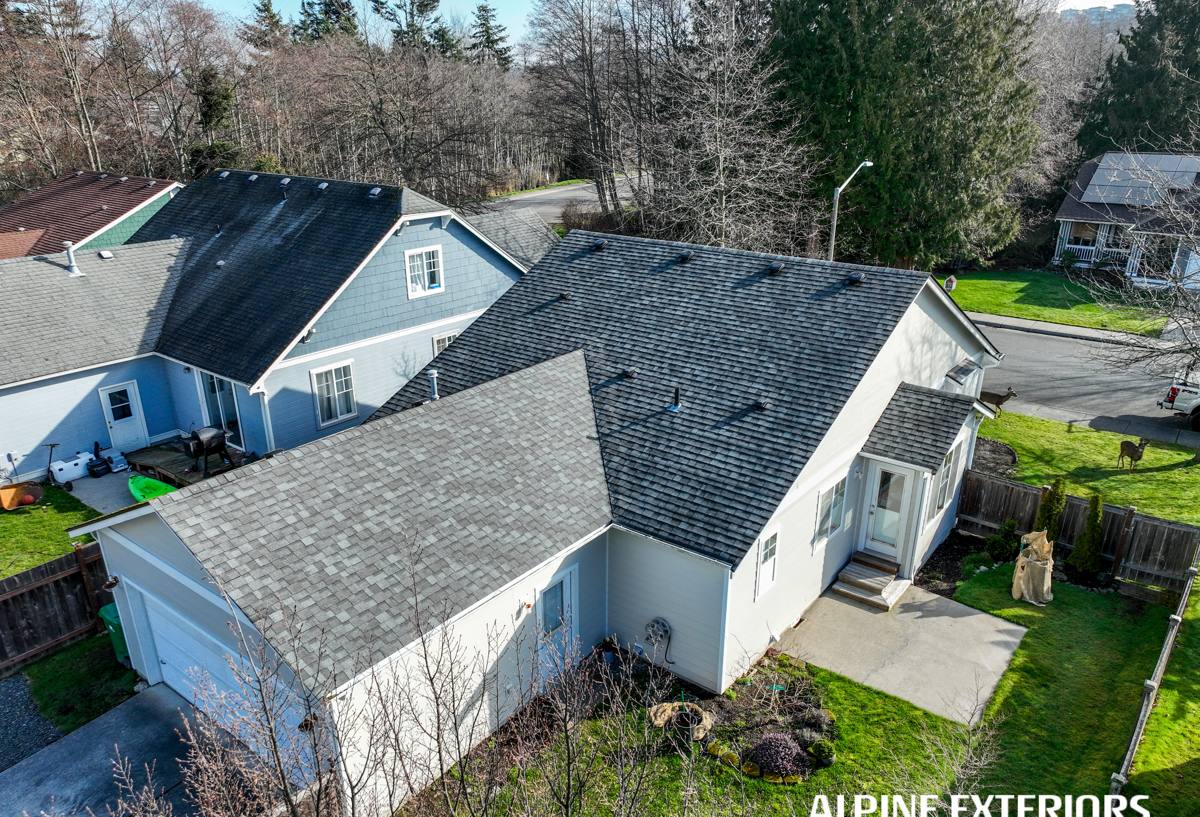
Most roof problems don't announce themselves with an obvious hole. They show up as small clues that are easy to dismiss until they turn into an interior leak. Homeowners in the Seminole and Largo area should watch for:
- Water stains on ceilings or upper interior walls, especially after a heavy rain
- Missing, cracked, curling, or lifted shingles
- Cracked, slipped, or missing roof tiles
- Granules collecting in gutters or at downspout outlets
- Soft or spongy spots when walking the roof deck
- Rust streaks or gaps around flashing at chimneys, vents, and skylights
- Daylight visible through the attic decking
- A musty smell or visible mold in the attic
Any one of these on its own might be minor. Several at once usually means water has been getting in for a while, even if it hasn't reached the ceiling yet.
What Actually Causes Most Repairs Here
Wind-Driven Rain
Standard rain falls mostly straight down and sheds off a roof the way it's designed to. Wind-driven rain during a Gulf storm comes in at an angle, and can get pushed up under shingle edges, tile laps, and around flashing that would otherwise stay dry. This is why so many Largo roof leaks show up specifically during or right after a storm, even on roofs that looked fine the week before.
UV Breakdown
Central Florida sun is relentless. Asphalt shingles lose their oils and become brittle over years of UV exposure, which makes them crack and lift more easily in wind. Sealant and caulking around flashing and penetrations dry out and shrink for the same reason, opening tiny gaps that let water in long before anything looks visibly broken.
Salt Air Corrosion
Being close to the coast means metal components — flashing, fasteners, vent stacks, drip edge — corrode faster than they would further inland. Corroded fasteners back out or lose their grip, and corroded flashing develops pinholes and seam failures. This is a slower process than storm damage, but it's just as common a cause of the leaks we get called out for.
What a Correct Roof Repair Actually Involves
A proper repair isn't just sealing the spot where water is currently showing up inside the house — that spot is often several feet from where water is actually entering the roof, since water travels along the underlayment and rafters before dripping down. A correct repair means tracing the leak to its real source, then addressing three layers:
Flashing and Penetrations
Flashing around chimneys, skylights, vent pipes, and roof-to-wall junctions is the single most common failure point on an otherwise sound roof. Repair means removing and properly reinstalling flashing with new sealant and correct overlap — not just caulking over the existing metal, which is a short-term fix at best.
Underlayment
The underlayment is the water-resistant barrier beneath the shingles or tiles. If it's torn, degraded, or was installed with gaps, the surface material above it can look fine while water still gets through. Any repair that involves pulling back shingles or tiles should include an inspection of the underlayment underneath, not just a swap of the visible material.
Surface Material
Whether it's matching shingles, matching tile, or patching a flat/low-slope membrane, the replacement material needs to actually match the existing roof in profile, color, and installation method — mismatched patches are one of the most common complaints homeowners have after using a repair crew that doesn't specialize in this kind of work.
Our Roof Repair Process
- Inspection. We get on the roof (or use a camera when access or roof condition calls for it) and inspect the affected area plus the surrounding field, since one visible leak often points to a broader issue nearby.
- Diagnosis. We trace the actual entry point — which is frequently uphill or to the side of where the leak shows up indoors — and check flashing, underlayment, and surface material at that location.
- Written scope and estimate. Before any work starts, you get a clear explanation of what failed, what we're fixing, and what it costs. No surprise add-ons mid-job.
- Repair. We remove the damaged section down to sound material, replace flashing and underlayment as needed, and reinstall matching surface material.
- Final check. We inspect the completed repair and the surrounding area one more time before we consider the job done.
Repair or Replace? How We Help You Decide
Not every roof problem calls for a full replacement, and not every roof is a good candidate for another round of patching. We're upfront about which situation you're in, based on the roof's age, condition, and repair history.
| Factor | Points Toward Repair | Points Toward Replacement |
|---|---|---|
| Roof age | Under 15-20 years (material dependent) | Near or past expected service life |
| Damage extent | Isolated to one area or component | Widespread across multiple sections |
| Repair history | First or infrequent repair | Recurring leaks in different spots |
| Underlayment condition | Intact where inspected | Degraded or failing broadly |
| Storm damage | Localized wind/hail damage | Significant structural or widespread damage |
When a roof is in the gray area, we'll tell you honestly — including if a repair now is the more practical choice even if replacement is likely a few years out.
Materials and Methods We Work With
Asphalt Shingle
The most common roofing material in the Largo area. Repairs involve matching the existing shingle profile and color as closely as possible, replacing damaged underlayment beneath, and resealing exposed nail heads and edges to standard practice.
Tile
Tile roofs are durable against UV and wear well in this climate, but individual tiles crack from impact or foot traffic, and the underlayment beneath them still ages and needs attention over time. Tile repair means carefully lifting surrounding tiles without cracking them, addressing the underlayment if needed, and resetting or replacing tiles to match.
Flat and Low-Slope Sections
Many Largo homes have a flat or low-slope section over a porch, addition, or garage. These are more vulnerable to ponding water and seam failure, and repairs typically involve cutting out the damaged membrane area and properly welding or adhering a patch, not just applying roof coating over the problem.
Why a Crew That Already Works Largo Matters
Roofing rules and expectations aren't identical everywhere. Pinellas County follows the Florida Building Code, which sets wind-resistance and installation standards that matter for how flashing, fasteners, and underlayment need to be installed here specifically. A crew that regularly works in Largo and the surrounding Seminole area already knows what inspectors expect, what permits are typically required for repair work, and which failure patterns show up most often on local roofs because of the wind, sun, and salt exposure this area gets. That local familiarity shows up in fewer callbacks and fewer surprises — the repair is done to the standard the area actually requires, not a generic template.
Keeping a Repaired Roof Performing Between Storms
A well-executed repair should hold up, but a few habits extend its life in this climate:
- Have the roof checked after any significant storm, even if you don't see obvious damage
- Keep gutters and downspouts clear so water doesn't back up under the roof edge
- Trim back overhanging branches that can abrade shingles or tiles in wind
- Address small leaks promptly rather than waiting for them to spread
- Schedule a periodic roof inspection rather than waiting for a visible problem
If you're seeing signs of a leak, missing shingles or tiles, or storm damage on a home in Largo or the surrounding Seminole area, we're happy to take a look and give you an honest read on what's actually going on. Use the form below to request a free, no-pressure estimate.