 Seminole Siding
 Largo Siding Sits in a Tough Spot, Climate-Wise
Largo sits in the middle of Pinellas County, close enough to both the Gulf and Tampa Bay that homes here take on the same punishing mix of conditions we see across the Seminole area: long stretches of intense UV exposure, wind-driven rain that gets pushed sideways into wall assemblies, salt-laden air that corrodes anything metal, and the periodic threat of hurricane-force wind loading that tests every fastener and seam in a siding system. None of these factors act alone. UV breaks down caulk and finishes over years, which lets wind-driven rain find its way behind panels, which lets salt air accelerate corrosion on whatever fasteners or flashing get exposed. By the time a homeowner notices a problem on the surface, there is usually a longer story happening behind the siding.
That combination is why siding repair in this part of Pinellas County is rarely just a cosmetic fix. Done right, it means understanding what the climate has already done to the wall behind the visible damage, not just patching what you can see.
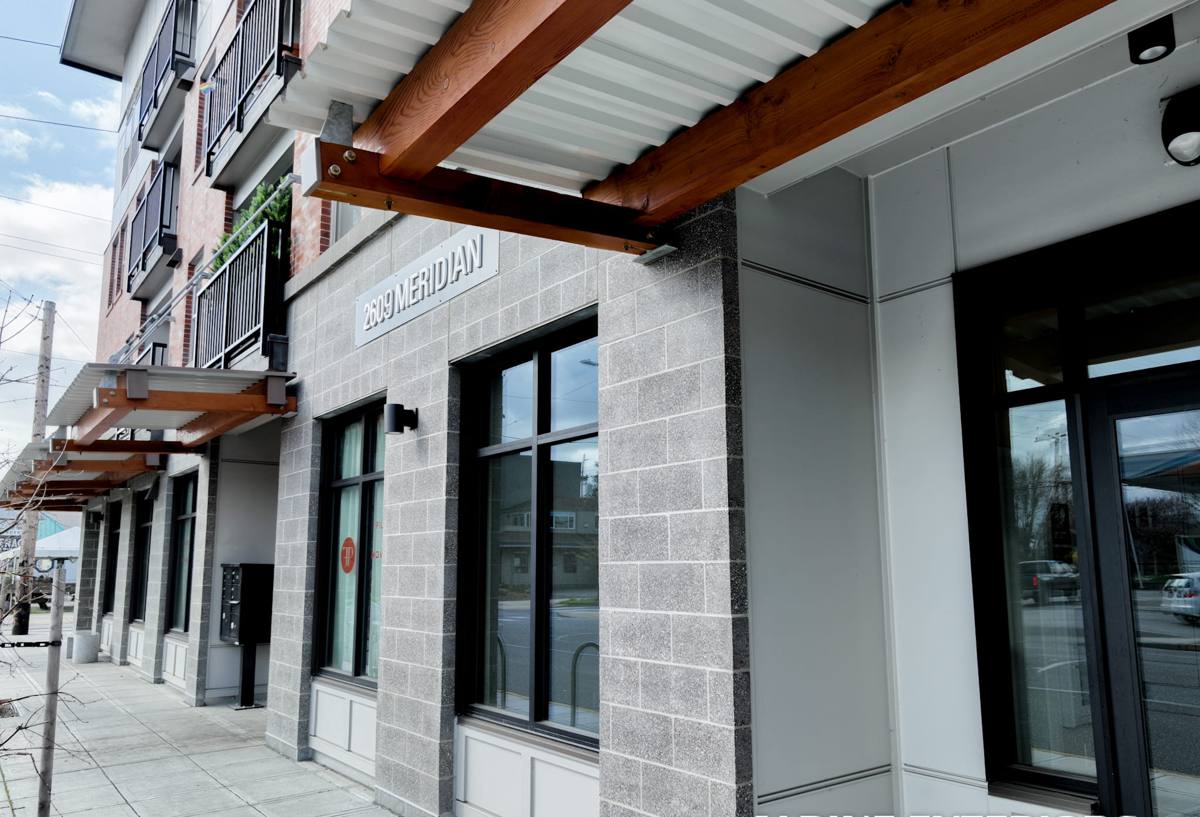
Signs a Largo Home Needs Siding Repair
Most homeowners call us after noticing one obvious problem, but a proper inspection usually turns up related issues nearby. Here is what we look for, and what you should look for too:
- Panels that are cracked, split, or visibly bowing away from the wall
- Soft or spongy spots when you press on siding near the bottom of walls or under windows
- Paint or finish that is peeling, chalking heavily, or has faded unevenly in patches
- Gaps opening up at seams, corners, or where siding meets trim, window, and door frames
- Streaking, dark staining, or a musty smell near exterior walls, which often points to moisture intrusion
- Rust bleeding from fastener heads or exposed metal flashing
- Visible damage after a storm: dents, cracked corners, or sections pulled loose by wind
- Siding that flexes or rattles more than it used to in strong wind
Any one of these on its own might be minor. Several together, especially on the same elevation of the house, usually means water has been getting behind the siding for a while.
Wind-Driven Rain Intrusion
Pinellas County storms rarely deliver rain straight down. Wind pushes it sideways and upward under laps, around trim, and into any gap that has opened from age or a prior installation shortcut. Once water gets behind siding, it can sit against sheathing and framing long after the surface dries, which is why we always check moisture levels behind a damaged section, not just at the visible crack.
UV Fading, Chalking, and Cracking
Florida sun is relentless on exterior finishes. Coatings that aren't engineered for this level of UV exposure chalk, fade unevenly, and eventually crack or become brittle, which opens the door to the moisture problems above. Uneven fading is often the first visible clue that a finish is failing, well before cracking shows up.
Salt Air and Fastener Corrosion
Largo isn't directly oceanfront, but it's close enough to the Gulf and the Bay that salt-laden air still reaches exposed fasteners, flashing, and trim over time. Corroding fasteners lose their grip, which is how a single loose panel becomes a section of siding that comes off entirely in the next round of hurricane-force wind.
Storm Impact Damage
Wind-thrown debris, hail, or straight-line gusts during a storm can crack, dent, or completely detach siding panels. Impact damage needs a close look at the surrounding area too — a cracked panel that got hit hard enough to break was likely also stressed at its fasteners and seams even where it looks intact.
What a Correct Siding Repair Actually Involves
A repair that only addresses the visible damage tends to fail again within a season or two. Here's what we consider a repair done right:
Diagnose Before You Patch
We check moisture levels behind the damaged area, not just at the surface, and look at the condition of the sheathing, flashing, and house wrap underneath before deciding what needs to be replaced versus repaired.
Match the Material and Finish
A repair that doesn't match the surrounding siding in profile, texture, and color sticks out and can also create new points where water gets a foothold if the materials don't interact well. This matters even more with factory-finished products, where field-applied paint rarely matches a factory finish over time.
Restore Proper Water Management
Flashing, house wrap, and drainage paths behind the siding have to be put back correctly, not just covered up. A repair that skips this step can look fine for a year and then fail again in the same spot.
Fasten to Withstand Local Wind Loads
Given how often this area sees hurricane-force wind events, repaired sections need fasteners and spacing that meet the same wind-resistance standards as new installation, not whatever was easiest to match to the existing pattern.
Repair vs. Replacement: How We Decide
Not every damaged section needs to become a full re-side. But there's a point where patch repairs stop being the honest answer. We walk homeowners through the real trade-offs rather than defaulting to the most expensive option:
| Factor | Leans Toward Repair | Leans Toward Replacement |
|---|---|---|
| Extent of damage | Isolated to one or two sections | Spread across multiple walls or elevations |
| Moisture behind siding | Localized, sheathing intact | Widespread, sheathing showing rot |
| Age of existing siding | Still well within its service life | Nearing or past expected lifespan |
| Material match available | Yes, close visual and structural match | No, discontinued or mismatched product |
| Underlying cause | One-time storm event | Chronic installation or moisture defect |
When damage is isolated and the rest of the siding is sound, repair is the honest, cost-effective call. When we find recurring moisture problems, widespread deterioration, or siding that's simply reached the end of what it can be expected to do, we'll say so directly rather than stringing along a series of repairs that won't hold.
Repairing Existing Siding vs. Transitioning to James Hardie
Plenty of homes in Largo and the surrounding Seminole area were sided with vinyl, LP SmartSide, or painted wood by a previous owner or builder. We'll repair what's there when a repair is the right call for the situation — that's a service call, not a sales pitch. But when we install new material, whether for a full replacement or a significant section that needs to be rebuilt, we install only James Hardie fiber cement siding. That's a standard we hold across every job we take on, not just this one.
The reason comes back to the same climate factors driving repair calls in the first place. Vinyl can soften, warp, or become brittle under sustained UV and heat, and it doesn't hold a factory finish the way a fiber cement system does. LP SmartSide is an engineered wood product, which means it depends on an intact, well-maintained coating to keep moisture out; once that coating is compromised in a humid, storm-prone climate, wood-based substrates are more vulnerable to swelling and rot than fiber cement. Painted or primed wood siding needs the most ongoing maintenance of all to hold up here. James Hardie's fiber cement is non-combustible, holds its ColorPlus factory finish far longer than field-applied paint, and its HZ5 product line is engineered specifically for high-humidity, storm-exposed climates like ours. When a homeowner is already paying for labor and materials, we think that's the point to move to a product built for what Pinellas County weather actually does to a house.
Our Process for Largo Siding Repair Jobs
- Free on-site inspection, including a check behind visible damage for hidden moisture and fastener condition
- A clear explanation of what we found, with photos, and an honest repair-versus-replace recommendation
- A written estimate before any work begins, with no pressure to upsell beyond what the damage calls for
- Repair work: removing and replacing damaged sections, restoring flashing and water management, and matching material and finish as closely as the product allows
- A final walkthrough so you can see exactly what was done and ask questions before we consider the job complete
Why a Crew That Already Works in Largo Matters
Siding repair isn't just a materials question — it's a familiarity question. A crew that regularly works in Largo and the wider Seminole area already knows the kind of damage patterns this specific stretch of Pinellas County produces, from salt air corrosion near the water to wind-driven rain intrusion on homes that catch the brunt of storms coming off the Gulf. That familiarity means faster, more accurate diagnosis instead of guesswork, and it means we're not learning the local permitting process or wind-load requirements on your dime. It also means when a named storm passes through and repair calls spike, you're working with a crew that isn't scrambling to figure out the area for the first time.
Keeping Repaired Siding Sound in This Climate
A repair is only as good as the maintenance that follows it. In Pinellas County's climate, that means periodically checking caulking and seams for UV-related cracking, keeping an eye on fastener heads for early rust, and addressing any new gaps or soft spots before the next wind-driven rain event finds them. Fiber cement systems with a factory finish need far less of this ongoing attention than field-painted wood or aging vinyl, which is one more reason repair decisions and material decisions tend to go hand in hand.
If you're seeing cracked panels, soft spots, or storm damage on your Largo home, we're happy to take a look and give you a straight answer about what it needs. Reach out for a free, no-pressure estimate — there's a form right below this page to get started.