 Seminole Siding
 Largo sits inland enough from the Gulf to avoid the worst of the direct salt spray that coastal Pinellas neighborhoods deal with, but don't mistake that for an easy climate. Homes here still take a beating from three directions at once: intense year-round UV that bakes the sun-facing walls, wind-driven rain that gets pushed sideways during summer storms and tropical systems, and humidity that never really lets up. Add hurricane-force wind events to that list, and you've got a set of conditions that will find every weak point in a siding system within a few years. If you're planning a siding replacement in Largo, the material and the installation both matter more than most homeowners expect.
Why Largo Homes Wear Out Siding Faster Than You'd Think
A lot of homeowners assume siding failure is about age. In our experience working across Seminole and the surrounding Pinellas County communities, it's almost always about exposure and installation quality, not the calendar. Two houses built the same year, a few streets apart, can be in completely different condition depending on which walls catch the afternoon sun, how much wind-driven rain the property sees, and whether the original siding was installed and flashed correctly.
Largo's mix of older ranch-style homes and newer construction means we see a wide range of existing siding conditions — wood lap siding that's been painted a dozen times, vinyl that's chalked and warped from UV exposure, and in some cases older fiber cement that was never finished with a factory coating. Each of these fails differently, but the underlying cause is the same: Florida sun and moisture don't forgive shortcuts.
The Specific Stress Points
- South and west-facing walls take the most direct UV exposure and are usually the first to show fading, chalking, or paint failure.
- Bottom courses near grade stay damp longer after rain and are where rot and moisture damage typically start on wood and engineered wood products.
- Window and door trim is where poor flashing shows up first — water finds any gap and works its way behind the siding.
- Corners and butt joints are stress points during high wind, especially on siding that wasn't fastened to spec.
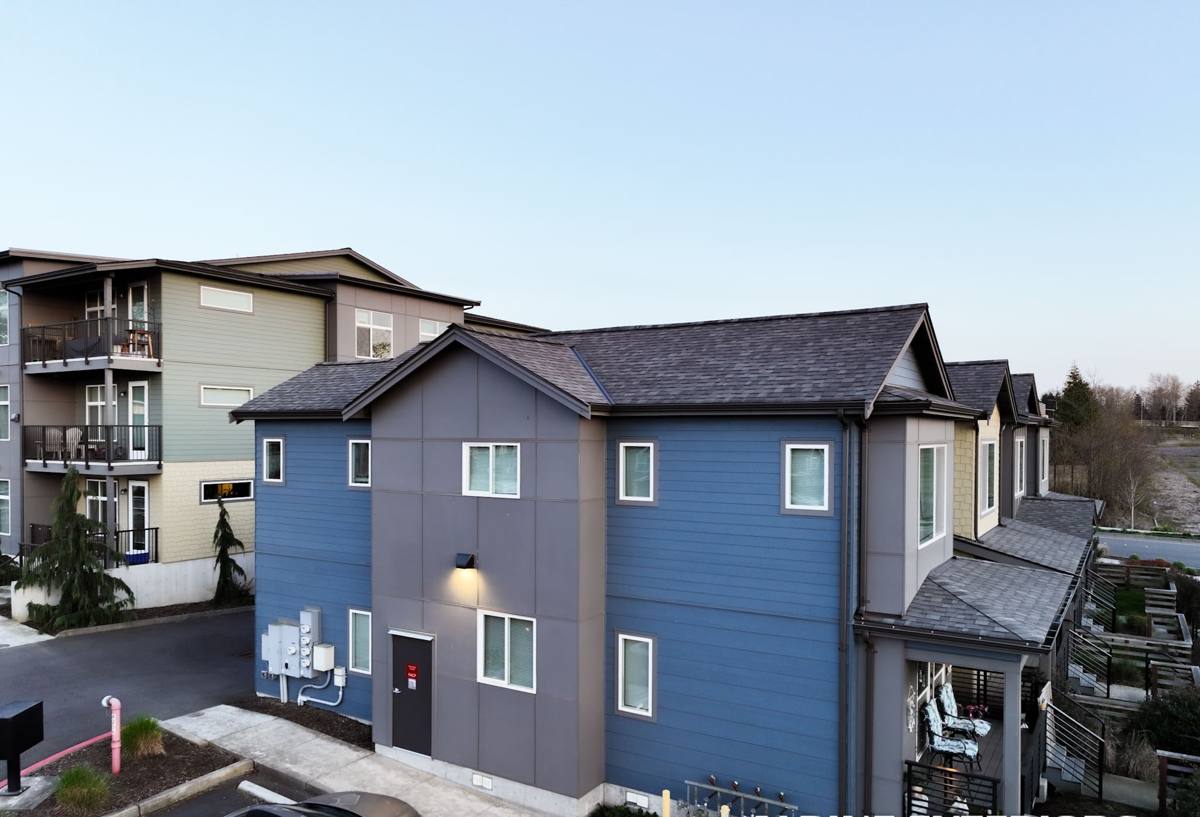
What a Correct Siding Replacement Actually Involves
Replacing siding isn't just pulling off old panels and nailing up new ones. Done right, it's a sequence of steps where each one protects the next. Skipping or rushing any of them is how a ten-year-old siding job starts leaking.
- Tear-off and inspection. Old siding comes off and the sheathing underneath gets inspected for rot, soft spots, or existing water damage. This is often the first time a homeowner sees the actual condition of their wall assembly.
- Substrate repair. Any damaged sheathing gets replaced before anything else happens. Installing new siding over compromised sheathing just hides a problem that will resurface.
- Weather-resistive barrier. A proper house wrap or weather barrier goes on, lapped correctly so water sheds outward and down, not into the wall cavity.
- Flashing at penetrations. Windows, doors, and any wall penetrations get flashed so water is directed out and away, not behind the new siding.
- Siding installation to manufacturer spec. Correct fastener type, spacing, and clearance from grade and roof lines — details that matter far more in Florida's climate than in drier regions.
- Trim, caulking, and finish details. The parts that make the job look finished are also functional — proper caulking at joints keeps wind-driven rain from finding its way in.
Why We Install James Hardie Fiber Cement — And Nothing Else
We standardized on James Hardie fiber cement siding for every replacement job we do, including here in Largo, and we don't install vinyl, LP SmartSide, cedar, primed spruce, or other fiber cement brands. That's a deliberate professional standard, not a sales pitch, and it's worth explaining why.
Vinyl siding is affordable and low-maintenance in mild climates, but Pinellas County isn't a mild climate. Intense UV fades and chalks vinyl faster than manufacturers' marketing suggests, and it can warp or buckle in sustained heat. In a hurricane-prone area, vinyl's wind ratings are also generally lower than fiber cement's, which matters when you're choosing a product meant to last through multiple storm seasons.
Wood-based products like cedar or primed spruce look good on day one, but they require ongoing maintenance — repainting, sealing, and watching for moisture intrusion — that most homeowners underestimate. In our humidity, that maintenance schedule tightens up considerably. LP SmartSide is an engineered wood product with real strengths, but it's still wood-based at its core, meaning it shares some of the same moisture-sensitivity concerns if a Florida install isn't handled with perfect flashing and sealing.
James Hardie fiber cement is non-combustible, holds up to UV without chalking or fading the way vinyl does, and comes with a factory-applied ColorPlus finish that's baked on rather than field-painted — which matters a great deal under our sun. Hardie also engineers specific product lines (their HZ5 designation) for high-humidity, high-moisture climates like ours, and backs the material with a strong transferable warranty. When we're standing behind a job for years to come, we want a product built for exactly the conditions Largo throws at it.
Comparing Siding Options for a Largo Climate
| Material | UV/Fade Resistance | Wind Performance | Moisture Behavior | Maintenance |
|---|---|---|---|---|
| James Hardie Fiber Cement | Strong — factory ColorPlus finish | Strong when installed to spec | Engineered for humid climates (HZ5) | Low — no repainting cycle |
| Vinyl | Fades/chalks faster in intense UV | Generally lower wind ratings | Can trap moisture behind panels | Low, but limited lifespan in full sun |
| Wood / Primed Spruce / Cedar | Fades, needs repainting | Moderate, depends on install | Prone to rot if moisture gets in | High — regular repainting/sealing |
| LP SmartSide | Good with proper finish upkeep | Good when installed correctly | Engineered wood — sensitive to flashing errors | Moderate — finish maintenance over time |
Our Process for a Largo Siding Replacement
Every property is different, but the process for a Largo home generally follows the same reliable sequence: an on-site assessment where we look at wall condition, existing damage, and exposure on each elevation; a written scope and estimate that spells out exactly what's being replaced and how; scheduling that accounts for Florida's storm season so materials and crews are staged efficiently; the tear-off, repair, and installation work itself; and a final walkthrough where we go over the finished job with you before calling it done.
Because we work Pinellas County regularly, we're familiar with the kind of construction common in Largo — the mix of slab-on-grade ranch homes and newer builds — and we know what to expect when we open up a wall here versus a different part of the state. That familiarity shortens the surprises during tear-off and keeps a project on schedule.
Why Hiring a Crew That Already Works Largo Matters
Siding installation quality varies enormously between contractors, and in a climate like ours, the gap between a correct install and a mediocre one shows up fast — sometimes within a single rainy season. A crew that regularly works in Largo and the surrounding Seminole area has already seen how local homes behave: which elevations take the worst sun, how wind-driven rain tends to find gaps in older trim work, and what flashing details actually hold up here versus what looks fine in a manual but fails in practice.
There's also a permitting and inspection component to siding replacement that local familiarity helps with — knowing what Pinellas County inspectors look for and building the job to pass the first time, rather than needing rework. A contractor who's unfamiliar with the area is starting from zero on all of this.
What to Look for When Vetting a Siding Contractor
- Manufacturer-specific installation training or certification, not just general carpentry experience
- A written scope that details tear-off, sheathing repair, weather barrier, flashing, and finish work separately
- Local references or completed work you can see in person in the Pinellas County area
- Proper licensing and insurance for the work being performed
- A clear explanation of warranty coverage — both on materials and on the labor/installation itself
- Willingness to walk you through why they recommend a specific product for your home's exposure
Cost Factors Specific to Largo Projects
Every siding replacement estimate depends on the same core variables, but a few carry extra weight in this area. The condition of the sheathing underneath your existing siding is the biggest wildcard — you don't know the full scope until tear-off begins, which is why a thorough initial inspection matters. Home size and the complexity of the exterior (multiple stories, dormers, lots of trim and corners) affects labor time. The amount of sun and rain exposure on each elevation can also factor into product selection and detailing. And timing around hurricane season can affect scheduling, since contractors across the region get busier ahead of and after storm events.
Signs Your Largo Home May Need Siding Replacement Soon
Not every siding issue means a full replacement, but a few signs are worth taking seriously rather than patching around:
- Visible warping, buckling, or separation at seams and corners
- Soft spots when you press on the siding, especially near the bottom courses
- Paint that keeps failing in the same spots no matter how often it's redone
- Persistent moisture, staining, or a musty smell along interior walls that back up to exterior siding
- Visible daylight or gaps around window and door trim
If you're seeing any of these on your Largo home, it's worth getting a professional assessment before the underlying wall structure is affected.
If you're weighing a siding replacement for your Largo home, we're happy to take a look and walk you through what we find — no pressure, no obligation. Reach out using the form below to schedule a free estimate.