 Seminole Siding
 Building Decks That Hold Up on a Barrier Island
Madeira Beach sits right on the Gulf, and that location is exactly why a deck built here needs to be engineered differently than one built a few miles inland. Between the salt-laden air coming off the water, near-constant UV exposure, wind-driven rain, and the real possibility of hurricane-force wind loads, a deck in this part of Pinellas County takes a beating that most manufacturer warranties and generic build specs simply aren't written for. We build custom decks specifically for homes in this environment, and that changes almost every decision — from the fasteners we use to how we frame the substructure.
This page covers what actually matters for a Madeira Beach deck: material selection, framing and hardware, elevation and permitting realities, and the maintenance a coastal deck needs to actually reach its expected lifespan.
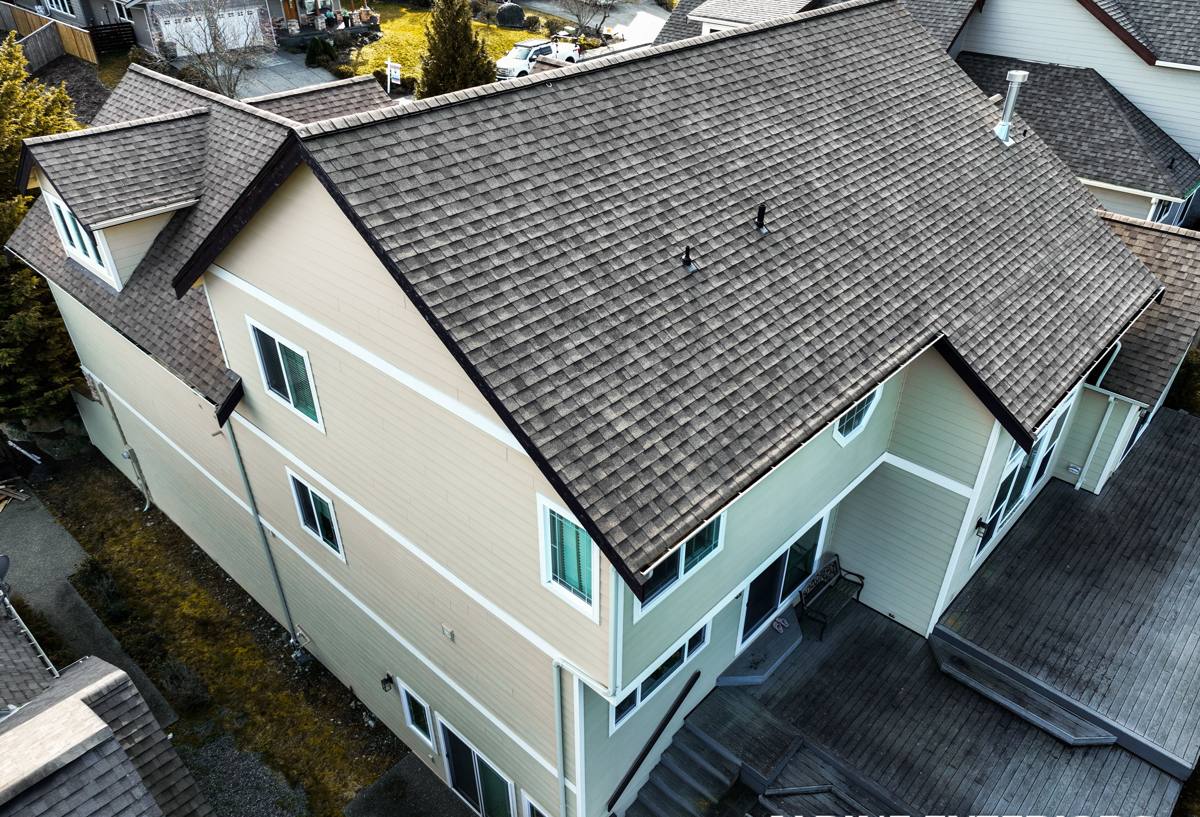
What Barrier-Island Conditions Do to a Deck
Salt Air and Corrosion
Salt air doesn't just sit near the shoreline — it travels on the wind and settles on every exposed surface, including framing that's technically "protected" underneath the decking boards. Standard zinc-coated screws and bolts corrode far faster in this environment than they would inland, and once a fastener starts to rust, it weakens the connection long before it's visually obvious. This is one of the most common problems we find when we're called out to inspect or repair a deck that was built with mainland-grade hardware.
UV Exposure
Florida sun is intense year-round, not just in summer, and a west- or south-facing deck in Madeira Beach gets direct exposure for most of the day. UV breaks down the surface fibers of wood and the resin binders in some composite products over time, leading to fading, graying, or surface chalking. Materials and finishes need to be chosen with that sun load in mind, not just for how they look on day one.
Wind-Driven Rain and Moisture Cycling
Coastal storms don't just bring rain straight down — wind-driven rain gets pushed sideways and underneath decking boards, into ledger connections, and around railing posts. Combined with Florida's humidity, this creates constant wet-dry cycling that stresses fasteners, promotes rot in untreated wood, and can trap moisture against a house's exterior wall if the ledger board isn't flashed correctly.
Hurricane Wind Loads
Pinellas County's coastal construction requirements exist because they have to — this is an area that plans for hurricane-force wind events. A deck's railings, posts, and connection to the house all need to be engineered to resist uplift and lateral loads, not just support the weight of people standing on it. Undersized post bases, missing hurricane ties, or a ledger bolted without proper flashing and blocking are the kinds of shortcuts that fail exactly when a deck is tested hardest.
Choosing the Right Decking Material
There's no single "best" decking material for every home — it depends on budget, how much upkeep you want to take on, and how exposed the deck is to sun and salt spray. Here's how the common options actually compare in this climate:
| Material | Salt Air / Moisture Resistance | Maintenance | Typical Lifespan Here | Notes |
|---|---|---|---|---|
| Pressure-treated wood | Fair — needs sealing | Annual cleaning + resealing | 10–15 years | Lowest upfront cost, but coastal humidity accelerates weathering without upkeep |
| Tropical hardwood (e.g. ipe) | Very good, naturally dense | Periodic oiling to maintain color | 20–25+ years | Premium cost; very stable but heavy and requires pre-drilling |
| Composite decking | Good — resists rot, doesn't need sealing | Occasional washing | 20–25 years (mfr. warranty dependent) | Surface can still fade or chalk under constant UV; quality varies by product line |
| PVC / vinyl decking | Very good — fully synthetic, no wood fibers | Low — wash as needed | 25+ years | Highest upfront cost; handles moisture and salt exposure the most consistently |
We don't push one product line on every job. Instead, we walk through how exposed your specific deck location is, how much maintenance you realistically want to do, and your budget, then recommend the material that fits — being upfront about the trade-offs rather than the marketing pitch.
Framing and Fasteners That Actually Hold Up
The decking boards are what you see, but the framing and fasteners underneath are what determine whether the deck survives a decade of Gulf-front weather. For Madeira Beach builds, our standard approach includes:
- Stainless steel or marine-grade coated fasteners rated for coastal/salt exposure, not standard exterior-grade hardware
- Properly flashed ledger board connections where the deck meets the house, to stop wind-driven rain from getting behind siding or into the rim joist
- Hurricane ties and rated post base connectors sized for the wind loads this area requires
- Adequate spacing and airflow beneath the deck surface so moisture doesn't sit trapped against framing
- Concrete footings sized and set to local frost-free, load-bearing standards for coastal soil conditions
None of this is visible once the deck is finished, which is exactly why it's the part most likely to get cut on a lower bid. It's also the part that determines whether you're looking at a repair bill five years in.
Elevation, Permits, and Flood Zone Considerations
Madeira Beach is a barrier island community, and many homes here sit in a designated flood zone with elevation requirements that affect how a deck can be attached, how high it sits, and sometimes whether it needs its own independent footings rather than tying into the home's foundation. Pinellas County permitting for coastal residential structures accounts for these factors, and it's not something to guess at or skip — an unpermitted deck can create real problems at resale, with insurance, or if it's damaged in a storm and needs to be rebuilt to current code.
We handle the permitting process as part of the job: pulling the right permit, building to the plans that are approved, and scheduling the required inspections. If your property's specific elevation or flood zone designation affects the design, we'll walk through what that means for your project before we finalize plans — not after.
Railings and Code Requirements
Railing systems on an elevated coastal deck do real structural work — they're not just a safety feature, they're part of what resists wind load. Height, baluster spacing, and post attachment all need to meet current code, and the railing material itself needs to handle the same salt air and UV exposure as the decking. Aluminum and certain composite railing systems tend to hold up well here; painted wood railings need more frequent upkeep to avoid peeling and corrosion at fastener points.
Our Process for Madeira Beach Deck Projects
1. On-Site Assessment
We look at sun exposure, prevailing wind and rain direction, proximity to the water, existing structure (if replacing a deck), and any elevation or flood zone factors specific to your property.
2. Material and Design Walkthrough
We go over decking, railing, and hardware options honestly — including cost ranges and realistic maintenance expectations — so you're choosing based on how the deck will actually perform here, not just how a sample board looks in a showroom.
3. Permitting
We handle the permit application and coordinate required inspections through the process, so the finished deck is fully compliant and documented.
4. Build
Footings, framing, decking, and railing installed to the standards outlined above — coastal-grade fasteners, proper flashing, and load-rated connections throughout.
5. Final Walkthrough
We go over the finished deck with you, including what maintenance it needs and on what schedule, before we consider the job done.
Keeping a Coastal Deck in Good Shape
Whatever material you choose, a deck exposed to Gulf-front conditions needs more attention than one built inland. A simple seasonal checklist goes a long way:
- Rinse salt residue off decking and railings periodically, especially after storms
- Inspect fasteners and hardware for early signs of rust or corrosion at least once a year
- Check ledger board flashing and the seam where the deck meets the house for gaps or water staining
- Reseal wood decking on the manufacturer's recommended schedule — don't wait for visible graying
- Clear debris from underneath the deck to maintain airflow and prevent moisture buildup
- Look over railing posts and connections after any major wind event
Why It Matters to Hire a Crew That Already Works This Area
A contractor who mostly builds decks inland may not think twice about fastener grade, flashing detail, or flood zone elevation requirements — because those things don't come up as often outside a coastal barrier island community. We work in Seminole and the surrounding Pinellas County beach communities regularly, so these aren't special considerations we research per job; they're built into how we spec every coastal deck from the start. That familiarity is what keeps a deck performing well past the point where a corner-cut build starts showing problems.
If you're planning a new deck or replacing one that's showing its age, we're happy to take a look and put together a straightforward, no-pressure estimate. Use the form below to get started.