 Seminole Siding
 Siding Repair Built for a Barrier Island Climate
Madeira Beach sits about as close to the Gulf as a Pinellas County home can get, and that proximity shapes everything about how siding ages there. Homes here take on a combination most inland neighborhoods never see at the same intensity: hurricane-force wind gusts during tropical systems, wind-driven rain that gets forced sideways into seams and laps, near-constant UV exposure, and a steady drift of salt air off the water that settles on every exterior surface, day after day. Seminole Siding Company works Madeira Beach regularly, and the repair calls we get there follow a pattern that's different from what we see a few miles inland in Seminole proper.
Siding repair in a coastal barrier island setting isn't just "patch the hole and move on." Done right, it means understanding why that section failed in the first place, checking what's happening behind it, and making sure the fix can hold up to the next storm season — not just look fine until then.
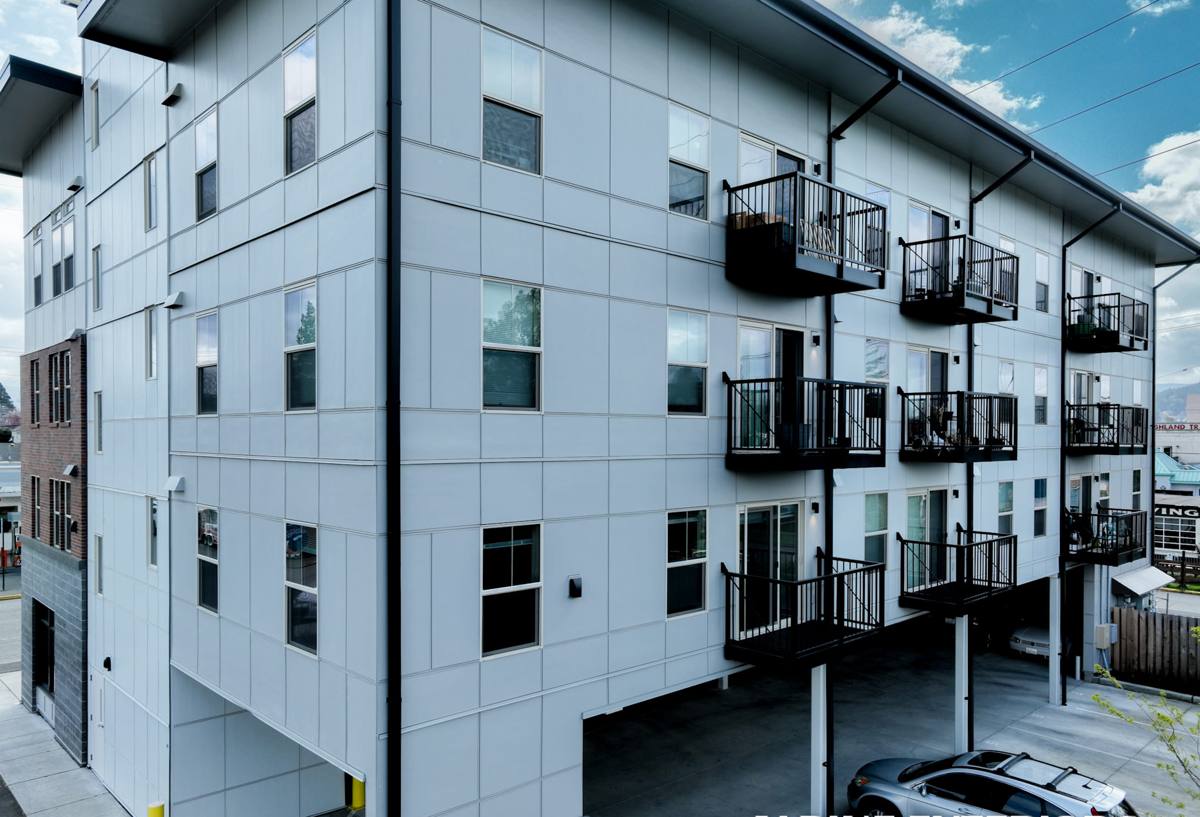
Why Madeira Beach Siding Fails Faster Than Inland Homes
A few conditions specific to this stretch of the Gulf coast drive most of the repair work we do out here:
- Salt-laden air accelerates corrosion on fasteners, flashing, and any exposed metal trim, which in turn loosens siding attachment points over time.
- Wind-driven rain during summer storms and named systems pushes water sideways and upward into laps and butt joints that were never designed to shed water in that direction.
- Sustained, intense UV exposure breaks down caulk, sealants, and lower-grade factory finishes faster than in shadier, inland yards.
- High wind loads, even from storms that don't make landfall directly, flex panels and stress fastener points repeatedly over a home's life.
None of these are exotic problems — they're just constant, and constant beats occasional. That's why siding that would go fifteen years without issue in a more sheltered part of Pinellas County can show real wear on a Madeira Beach home in half that time if it wasn't installed or maintained correctly.
Signs Your Siding Needs Repair, Not Just a Look
Homeowners often wait until damage is obvious — a cracked panel, a piece hanging loose after a storm. By that point there's usually more going on than what's visible. Here's what we tell Madeira Beach homeowners to watch for:
- Cracked, split, or bowed panels, especially near corners and window edges
- Soft or spongy spots when you press on the siding, which usually means moisture has reached the substrate
- Visible gaps at seams, laps, or trim where caulk has shrunk, cracked, or pulled away
- Rust streaking below nail heads or metal flashing
- Panels that have loosened or shifted after high winds, even if they look intact
- Peeling, chalking, or fading finish that suggests the protective coating has failed
- Interior clues — a musty smell, a stain on a wall, or a slight bubble in interior paint on an exterior wall
Any one of these on its own might be minor. Several together, especially on the side of the house that takes the worst weather, usually means it's time for a closer look before the next storm season.
Repair Types We Handle Most in Madeira Beach
| Damage Type | Typical Cause | What the Repair Involves |
|---|---|---|
| Cracked or split panels | Wind impact, debris, age-related brittleness | Remove and replace affected panel section, check underlying wrap |
| Loose or blown-off sections | High wind uplift, failed original fastening | Re-secure or replace with correct fastener spacing and pattern |
| Water staining or soft spots | Failed caulk, damaged flashing, wind-driven rain intrusion | Open the area, inspect sheathing, repair or replace water barrier before residing |
| Corroded fasteners or trim | Sustained salt air exposure | Remove and replace with corrosion-resistant fasteners rated for coastal use |
| Faded or chalking finish | UV breakdown of coating over time | Panel replacement in matching factory finish (touch-up paint is a poor long-term match) |
| Gapped or failed caulk joints | UV and thermal cycling | Remove old sealant, re-caulk with a marine-grade product suited to the joint |
Repair vs. Replacement: How We Actually Decide
Not every damaged section means a full re-side, and we're not going to tell a Madeira Beach homeowner they need a whole new exterior when a targeted repair will genuinely hold up. But we also won't patch over a problem that's going to resurface in a year. The honest answer depends on a few factors:
| Factor | Favors Repair | Favors Replacement |
|---|---|---|
| Extent of damage | Isolated to one or two areas | Spread across multiple elevations |
| Age of existing siding | Recently installed, otherwise sound | Near or past expected service life |
| Condition behind the siding | Water barrier and sheathing intact | Moisture damage found once panels are opened |
| Original material | Still available or closely matchable | Discontinued, mismatched, or a product we don't stand behind long-term |
| Root cause | One-time storm event | Ongoing installation or material failure |
We won't know for certain until we're up close, but we'll walk you through what we find and why we're recommending one path over the other — not just quote a number and move on.
What a Correct Repair Actually Involves
A repair that just covers the visible damage without addressing what caused it is a repair you'll pay for again. On a barrier island home, that usually means checking more than the siding itself:
- Remove the damaged section carefully so surrounding panels aren't stressed or cracked in the process.
- Inspect the water-resistive barrier and sheathing underneath — this is the step that gets skipped by anyone doing a quick patch job, and it's the step that matters most in a wind-driven-rain climate.
- Repair or replace any compromised underlayment before anything new goes back on. Siding installed over a damaged barrier just hides the next problem.
- Match the replacement panel as closely as possible in profile, exposure, and finish so the repair doesn't stand out.
- Re-fasten to spec using corrosion-resistant fasteners with the correct spacing — under-fastened siding is one of the most common causes of wind damage we find on repair calls.
- Seal and finish properly, using sealants suited to sustained sun and salt exposure, not a generic hardware-store caulk.
Why We Only Repair and Replace With James Hardie Fiber Cement
Seminole Siding Company installs James Hardie fiber cement exclusively — we don't work with vinyl, LP SmartSide, or other engineered wood or composite products. For repair work specifically, that standard matters for a practical reason: fiber cement doesn't absorb water the way engineered wood products can, and it holds up to sustained UV and salt exposure far better than vinyl, which tends to fade, warp, and become brittle faster in direct Gulf-front sun.
When we're replacing a damaged section, James Hardie's ColorPlus factory finish also gives us a real shot at a clean color match, since the coating is baked on at the factory to a consistent, UV-stable standard rather than field-applied. That's a meaningful advantage on a repair — a mismatched patch on the front of a home looks worse than the damage did. Hardie's HZ5 product line is also engineered specifically for high-humidity, storm-prone coastal climates like this one, which is exactly the environment Madeira Beach sits in.
If your existing siding isn't Hardie, we'll still repair it if a targeted fix is the right call. But when a section needs full replacement or the damage points toward a larger problem, we'll always recommend Hardie for what goes back on — it's the only product we're willing to install and stand behind on our own timeline, not just for a warranty period.
Why Hiring a Crew That Already Works Madeira Beach Matters
Coastal repair work has details that don't come up on an inland job:
- Knowing which fastener and flashing materials actually resist salt corrosion, rather than just meeting a minimum code spec
- Understanding wind-borne debris region requirements that apply to homes in this part of Pinellas County
- Recognizing the difference between cosmetic UV fading and finish failure that signals a deeper moisture problem
- Working efficiently on barrier island properties, where access, parking, and staging can be tighter than a typical inland lot
- Being available and responsive after a named storm, when repair demand across the coast spikes at once
A crew that only occasionally works this stretch of coastline is learning these lessons on your house. A crew that works Madeira Beach regularly already has the fastener specs, the flashing details, and the storm-season judgment calls figured out before they show up.
After the Repair: Keeping Salt Air and Sun From Winning the Rematch
A correct repair extends the life of your siding, but coastal conditions don't stop working on your home once the crew leaves. A few habits go a long way between now and your next inspection:
- Rinse siding periodically to clear off salt residue, especially on Gulf-facing elevations
- Walk the exterior after any significant wind event and look for loosened panels or fresh gaps at seams
- Keep an eye on caulk joints around windows, doors, and trim — they're usually the first thing UV and salt air break down
- Address small issues promptly; a small gap or crack is a much cheaper fix than what it turns into after another storm season
If you're seeing damage, wear, or storm impact on your Madeira Beach home's siding, we're happy to take a look and give you a straight answer on what it actually needs. Reach out for a free, no-pressure estimate — the form below only takes a minute.