 Seminole Siding
 Why Largo Roofs Take a Beating
Largo sits close enough to the Gulf that salt air, humidity, and storm exposure shape almost every roofing decision homeowners make here. A roof that performs well in a landlocked climate can fail early in Largo if it wasn't specified and installed with this environment in mind. Between hurricane-force wind events, intense year-round UV, and wind-driven rain that finds any weak seam or fastener, a roof covering Largo homes needs to be treated as a system, not just a material.
Metal roofing has become a popular answer to that problem, and for good reason — when it's specified correctly for wind uplift and installed with attention to detail, it holds up to coastal Pinellas County conditions better than most alternatives. But "metal roofing" covers a wide range of products and installation quality, and the difference between a roof that lasts decades and one that leaks in five years usually comes down to details most homeowners never see once the job is finished.
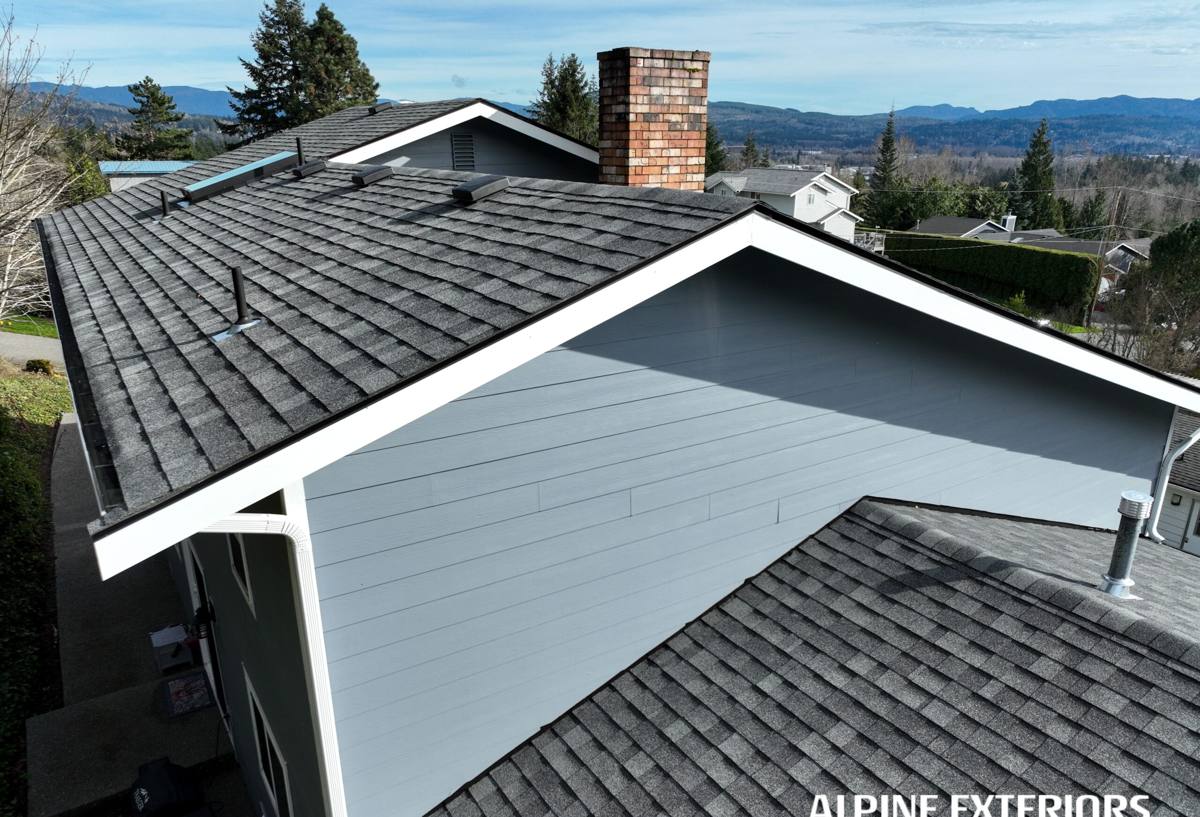
What a Correctly Installed Metal Roof Involves
A metal roof is only as good as everything underneath and around the visible panels. This is where most of the real engineering happens, and it's also where corner-cutting causes the most damage down the road.
Deck Prep and Underlayment
Before a single panel goes down, the existing deck gets inspected for soft spots, delamination, or old fastener damage from a prior roof. Any compromised sheathing gets replaced — panels fastened over a weak deck are only as strong as the wood holding them. Over that deck goes a high-temperature synthetic or self-adhered underlayment rated for the heat metal roofing can generate in direct Florida sun, along with proper ice-and-water style protection at eaves, valleys, and penetrations where wind-driven rain is most likely to push moisture backward under the panels.
Fastening Pattern and Wind Rating
This is the single biggest factor in whether a metal roof survives a real wind event. Fastener spacing, clip type (for standing seam systems), and screw penetration into structural framing all have to match the wind-uplift rating the system was tested to — not just what's fast to install. Pinellas County's building code requires roofing systems to meet specific wind-load standards, and an installer who under-fastens a metal roof to save labor time is building in a failure point that won't show up until the first major storm.
Flashing and Penetrations
Every place metal is cut, joined, or interrupted — ridges, hips, valleys, pipe boots, chimneys, wall transitions — is a potential leak point. Correct flashing detail work, not caulk, is what keeps water out at these transitions over the life of the roof. Caulk and sealant have their place as a secondary barrier, but they're not a substitute for properly lapped and mechanically fastened flashing.
Panel Profiles: Which Fits a Largo Home
Not every metal roofing system is built the same way, and the right choice depends on the home's roof pitch, budget, and how much wind exposure the property has. Here's how the common options compare for coastal Pinellas County use.
| Panel Type | Wind Performance | Best Use | Trade-Offs |
|---|---|---|---|
| Standing seam (concealed fastener) | Excellent — fasteners hidden and protected from weather | Most Largo homes, especially closer to the water | Higher material and labor cost |
| Exposed-fastener panel | Good, if fastener maintenance is kept up | Budget-conscious projects, secondary structures | Exposed screws need periodic inspection and gasket replacement |
| Metal shingle / tile profile | Good, matches traditional roof lines | Homes wanting a tile or shake look with metal durability | More seams and cuts than standing seam, more install labor |
Standing seam is generally the strongest performer in coastal wind and salt exposure because there are no exposed fasteners for corrosion or wind uplift to work against over time. It costs more up front, but for a lot of Largo homeowners the trade-off is worth it given how directly this area sees hurricane season every year.
Our Process for a Largo Metal Roof
- On-site inspection — we assess the existing roof, deck condition, pitch, and any problem areas like valleys or chimney flashing before quoting anything.
- System recommendation — based on wind exposure, budget, and the look you want, we recommend a panel profile and gauge rather than pushing one product for every job.
- Permitting — we pull the required permit through Pinellas County and make sure the installation meets current wind-uplift code, not outdated standards.
- Tear-off and deck repair — old roofing comes off, the deck gets inspected, and any damaged sheathing is replaced before underlayment goes down.
- Underlayment and flashing — high-temp underlayment and properly lapped flashing go in at every valley, edge, and penetration.
- Panel installation — panels are fastened to the wind-rated spec for your specific system, not a generic pattern.
- Final walkthrough — we go over the finished roof with you, including what maintenance to expect and how to spot early warning signs down the road.
Salt Air, UV, and Coastal Wear in Seminole and Pinellas County
Homes in and around Seminole and Largo deal with a combination most inland Florida roofs never face: salt-laden air that accelerates corrosion on unprotected metal and fasteners, plus near-constant UV exposure that breaks down lesser finishes over time. This is why the coating on a metal roof matters as much as the metal itself. A quality baked-on paint system — the kind rated for coastal use — resists chalking, fading, and corrosion far longer than a bargain finish, and it's worth asking any contractor exactly what coating system is being used before you sign anything.
Fastener material matters here too. Coastal installations should use corrosion-resistant fasteners rated for the panel material, since dissimilar or lower-grade metals can gall and corrode faster in salt air, leading to loose panels well before the roof itself is worn out.
Cost Factors for a Largo Metal Roof
Metal roofing costs more up front than asphalt shingles, but the gap narrows over the life of the roof once you factor in replacement cycles. What actually moves the price on a given job:
| Factor | Impact on Cost |
|---|---|
| Panel type (exposed-fastener vs. standing seam) | Standing seam typically costs more due to labor and clip hardware |
| Roof pitch and complexity | More valleys, hips, and penetrations mean more flashing labor |
| Deck condition | Rotted or delaminated sheathing adds repair cost before install |
| Metal gauge and coating grade | Heavier gauge and premium coastal-rated finishes cost more but last longer |
| Tear-off scope | Removing multiple layers of old roofing adds labor and disposal cost |
We give straight, itemized quotes so you can see exactly where the cost is going rather than a single lump number.
What Maintenance a Metal Roof Actually Needs
Metal roofing is low-maintenance compared to shingles, but "low" isn't "none," especially this close to the Gulf. A simple annual check goes a long way toward getting the full lifespan out of the system:
- Visual check of flashing at valleys, chimneys, and wall transitions after hurricane season
- Clearing debris and leaves from valleys and gutters so water doesn't pool against seams
- Checking exposed fasteners (on fastener-style panels) for backing out or gasket wear
- Rinsing accumulated salt film off the surface periodically, especially on homes closer to the water
- Watching for any color change or chalking that could signal coating breakdown
None of this requires a specialist visit every few months — most of it is a homeowner doing a quick walk-around a couple of times a year, plus a professional look after any major storm.
Why a Crew That Already Works Largo Matters
Wind-uplift requirements, permitting steps, and inspection expectations in Pinellas County aren't identical to every jurisdiction in Florida, and a crew that installs roofs here regularly already knows the local permitting process, the inspectors, and the wind exposure categories that apply to different parts of Largo and greater Seminole. That familiarity shortens the permitting timeline and reduces the odds of a failed inspection over a detail an out-of-town crew might miss.
It also means we've seen how different products and installation choices actually hold up in this specific climate over years, not just what a manufacturer's spec sheet promises. That's the difference between a roof that's built to code on paper and one that's genuinely built for what Largo weather does to it.
If you're weighing a metal roof for your Largo home, we're happy to walk the roof with you, explain what condition it's really in, and put together a straightforward, no-pressure estimate using the form below.