 Seminole Siding
 Metal Roofing Built for Redington Shores' Barrier Island Conditions
Redington Shores sits right on the Gulf, and that location is exactly why a roof here has to work harder than a roof a few miles inland in Seminole or elsewhere in Pinellas County. Salt air, near-constant sun, wind-driven rain, and the real threat of hurricane-force gusts all hit barrier island homes first and hardest. A roofing system that's a fine choice in a sheltered inland neighborhood can underperform quickly out here if it wasn't specified and installed with those conditions in mind.
We install metal roofing for homeowners throughout the Seminole area, including Redington Shores, and this page covers what actually matters for a metal roof on a barrier island home: what the environment does to roofing materials, how to choose and detail a system correctly for it, and what our installation process looks like from first estimate to final walkthrough.
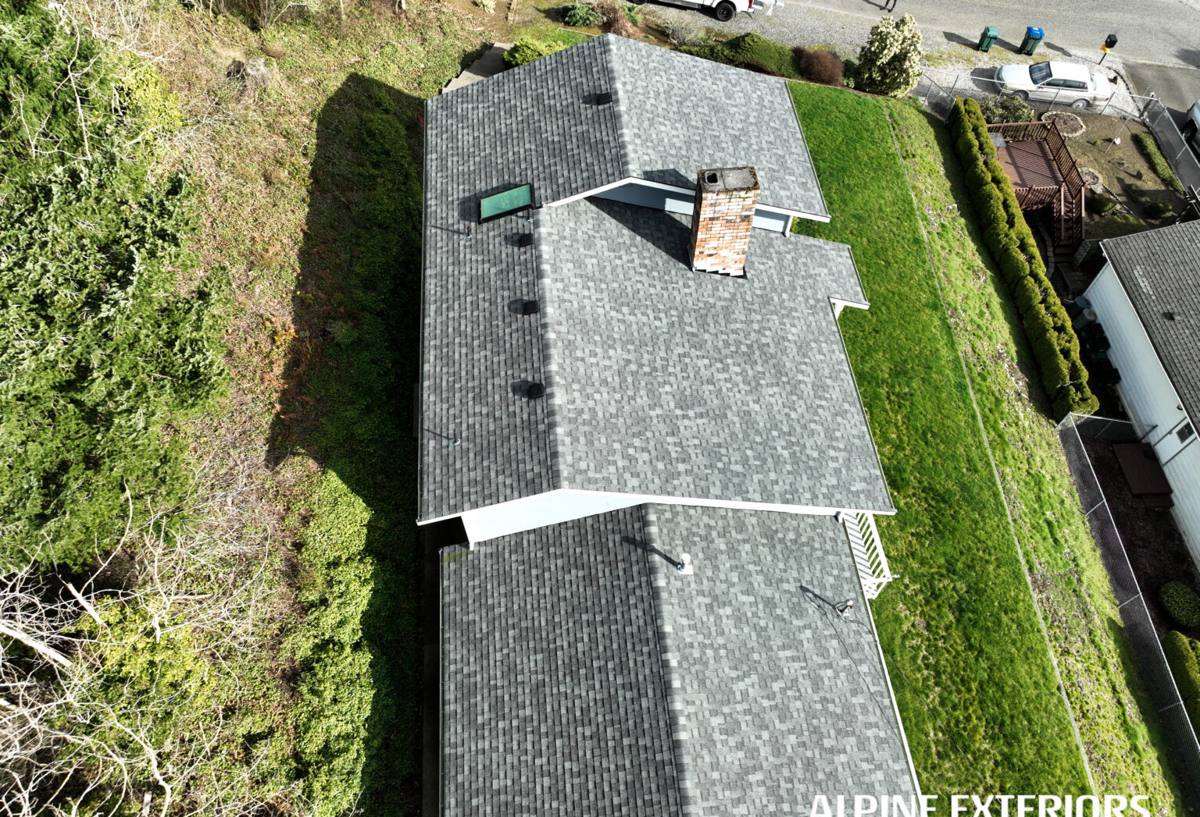
What Coastal Exposure Actually Does to a Roof
It helps to understand the specific stresses at play before talking about the roofing system itself, because these are the things a correct installation has to account for.
Salt Air and Corrosion
Airborne salt from the Gulf settles on every exterior surface of a home, and it doesn't stop at the roofline. Fasteners, flashing, and any exposed metal that isn't rated or coated for a marine environment will corrode faster here than the same materials would a few miles inland. This is a bigger factor in material and fastener selection on a barrier island home than almost anywhere else in Pinellas County.
Wind and Wind-Driven Rain
Redington Shores homes are built to Florida's wind-load requirements for a reason. During tropical storms and hurricanes, wind doesn't just push on a roof, it creates uplift forces that try to pull panels and fasteners loose, and it drives rain sideways and upward under any flashing or seam that isn't properly lapped and sealed. A roof can look fine in a light rain and still leak badly in a wind-driven storm if the underlying details weren't done right.
Year-Round UV
Florida sun is intense and it doesn't really let up seasonally the way it does farther north. UV exposure breaks down coatings, paint finishes, and underlayment over time. On a metal roof, the quality of the factory finish and the underlayment beneath the panels has a lot to do with how the roof looks and performs ten or twenty years out.
Why Metal Roofing Is a Strong Fit for This Environment
Metal isn't the only roofing option that can work on a Redington Shores home, but it holds up well against the specific stresses listed above when it's specified and installed correctly.
- Wind performance: Properly installed metal panel systems, especially standing seam, are engineered and tested for high wind-uplift resistance, which matters directly for coastal wind exposure.
- No granule loss or shingle blow-off: Metal panels don't shed granules or lift at the tab the way asphalt shingles can in sustained coastal wind.
- Heat reflectance: Quality metal roofing with a reflective finish reduces radiant heat transfer into the attic, which is a real comfort and cooling-cost factor under year-round Florida sun.
- Longevity, when the details are right: A correctly installed and properly fastened metal roof, with coastal-appropriate materials, is built to outlast most other roofing options over the long run.
- Low maintenance surface: Metal doesn't grow algae or moss the way some roofing surfaces do in Florida's humidity, which matters for curb appeal on a barrier island block.
None of that means metal roofing is maintenance-free or automatically hurricane-proof. It means the material has real advantages here, provided the panel type, fasteners, and installation details are matched to the environment.
Choosing the Right Metal System for a Coastal Home
Not all metal roofing is the same, and the choice between systems matters more on a barrier island home than it does a few miles inland. The two main categories homeowners in this area typically consider are standing seam and exposed-fastener panel systems.
| Factor | Standing Seam | Exposed-Fastener Panel |
|---|---|---|
| Fastener exposure | Concealed beneath the seam — not exposed to weather or salt spray | Fasteners penetrate the panel face and are exposed to sun, rain, and salt air |
| Wind uplift performance | Generally higher, due to concealed clip attachment method | Can perform well but is more dependent on fastener spacing and gasket condition |
| Long-term maintenance | Minimal — no exposed fasteners to inspect or replace | Exposed fastener gaskets and washers can degrade over time and need periodic checking |
| Upfront cost | Higher material and labor cost | More budget-friendly upfront |
| Typical best fit | Homes with direct or near-direct coastal exposure | Homes set back from the water with lower salt exposure, or budget-driven projects |
For a home in Redington Shores specifically, given the direct Gulf proximity, we generally steer homeowners toward standing seam or another concealed-fastener system as the stronger long-term fit. Exposed-fastener panels aren't a bad product, but the exposed hardware is the first thing salt air and UV go to work on, and that's a maintenance burden worth being honest about upfront rather than discovering years into ownership.
Panel Material: Aluminum vs. Steel
Aluminum doesn't rust the way steel can, since it doesn't contain iron, which makes it a common choice for direct coastal exposure. Steel panels can also perform well in coastal settings when they carry a proper corrosion-resistant coating system and the finish is maintained, but aluminum generally carries less long-term corrosion risk on a barrier island property. We'll walk through the tradeoffs, including cost, weight, and finish options, based on your specific home and budget.
What a Correct Metal Roof Installation Involves
The panel itself is only part of the system. Most metal roof failures we get called out to inspect trace back to installation details, not the metal itself. On a coastal home, these details carry extra weight.
- Underlayment rated for high heat and UV exposure, installed as a continuous secondary water barrier beneath the panels
- Fasteners, clips, and flashing specified for coastal/marine-grade corrosion resistance, not standard-grade hardware
- Panel seams and end laps installed to the manufacturer's specified overlap and sealed to shed wind-driven rain, not just standing water
- Flashing detail at every penetration — vents, chimneys, skylights — since these are the most common points of actual water entry
- Proper attachment spacing and pattern matched to the wind-uplift rating the system is designed for
- Ridge and eave detailing that allows the roof assembly to ventilate properly, reducing heat and moisture buildup in the attic
- Dissimilar-metal separation where panels meet other metal components, to avoid galvanic corrosion between incompatible materials
Skipping or shortcutting any one of these doesn't usually show up as a problem in year one. It shows up in year five or ten, after a few storm seasons, as a leak, a corroded fastener, or a panel that's come loose at the seam.
Permitting, Wind Ratings, and Insurance
Roofing work in Redington Shores requires a permit, and metal roofing systems installed here need to carry Florida product approval documentation showing they meet the wind-load requirements that apply to this part of the coast. Coastal Pinellas County properties are held to wind design requirements that run higher than many inland areas of the state, and that's factored into how the system is engineered and attached, not just what material is chosen.
A properly installed, code-compliant metal roof can also affect homeowner's insurance, since many carriers offer premium credits for roofing systems with strong wind-uplift ratings and impact resistance. We can provide the documentation your insurance carrier typically asks for, but the specific discount and requirements are between you and your insurer.
Maintenance in a Salt Air Environment
Metal roofing is low-maintenance compared to most alternatives, but "low-maintenance" isn't "no-maintenance" on a barrier island home. A simple periodic check goes a long way toward protecting the investment:
- Rinse accumulated salt residue off the roof surface periodically, especially after long dry stretches without rain
- Keep gutters and valleys clear of debris so water sheds the way the system was designed to
- After any major storm, have the roof visually checked for lifted panels, damaged flashing, or fastener issues before small problems become leaks
- Check exposed-fastener systems periodically for gasket wear, if that's the system installed
Our Process for Redington Shores Roofing Projects
We treat coastal projects differently from inland ones because the conditions genuinely are different. When we come out for a metal roofing estimate in Redington Shores, that means:
- An on-site evaluation of your current roof, deck condition, and any existing moisture or ventilation issues
- A recommendation on panel type and material based on your home's specific exposure, not a one-size-fits-all pitch
- A clear, itemized estimate that spells out materials, underlayment, and fastener specifications
- Permitting handled correctly for Pinellas County and the local jurisdiction, including the wind-uplift documentation your file needs
- Installation crews who follow manufacturer specifications for coastal applications, not generic inland practices
- A final walkthrough so you understand exactly what was installed and what upkeep, if any, it needs going forward
Why Local Experience on the Barrier Island Matters
A crew that mostly works inland roofs can install a technically correct metal roof and still get coastal-specific details wrong, not out of carelessness, but because those details simply don't come up as often a few miles from the water. Fastener grade, panel material choice, flashing sequencing for wind-driven rain, and wind-uplift attachment patterns are all judgment calls that get sharper with repeated exposure to this exact environment. Working regularly in Redington Shores and the surrounding Seminole area means we're specifying and installing for salt air, sustained wind, and intense UV as a matter of course, not as an afterthought.
If you're considering a metal roof for your Redington Shores home, we're glad to walk the property, talk through system options for your specific exposure, and put together a straightforward estimate. There's no pressure and no obligation, just a clear look at what your roof actually needs. Use the form below to get started.