 Seminole Siding
 Building New on a Barrier Island Changes the Window Job
Belleair Beach sits on a narrow barrier island in Pinellas County, with the Gulf of Mexico on one side and the Intracoastal Waterway on the other. Every home built here is exposed on both fronts — hurricane-force wind gusts, direct salt spray, sustained onshore breeze, and intense year-round UV, with none of the tree cover or setback that inland Seminole lots have. When a house is going up from the ground, the windows aren't an afterthought bolted into an old opening; they're part of the structure itself, tied into the framing, the weather-resistant barrier, and the wall's water management system before the exterior finish ever goes on.
That makes new-construction window work fundamentally different from a replacement job, and it's worth understanding what "correct" actually looks like before crews or products get chosen.
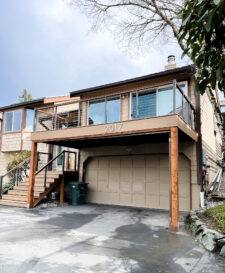
New-Construction Windows vs. Replacement Windows
The two jobs get lumped together, but they're not the same trade.
New-Construction (Nail-Fin) Windows
These have a flange around the perimeter that gets fastened directly to the framing and integrated with the wall's weather-resistant barrier and flashing before stucco, siding, or brick veneer goes over it. Installation happens during the framing and rough-in stage, in coordination with the builder's schedule, the roofer, the stucco or siding crew, and the inspector.
Replacement (Block-Frame) Windows
These get set into an existing finished opening, without disturbing the surrounding wall finish — a different install method, different sequencing, and different tools than a new build calls for.
On a Belleair Beach new build, the window crew is working alongside — not after — the rest of the shell. Get the sequencing or the flashing detail wrong at this stage, and it's hidden behind exterior finish for the life of the house.
What Correct Installation Involves Here
A barrier-island new build has zero margin for a sloppy window install, because every mistake gets tested by the same conditions that make this location desirable in the first place.
- Sill pan flashing under every rough opening, so any water that gets past the window has somewhere to go besides the wall cavity
- Weather-resistant barrier integration — the housewrap or building paper has to shingle-lap correctly with the window flange, not just get taped over it
- Corrosion-resistant fasteners and hardware rated for coastal salt exposure, not standard interior-grade fittings
- Sealant compatible with the exterior finish — stucco, fiber cement, and hardie trim each call for different joint prep and sealant chemistry
- Design pressure (DP) rated products matched to the home's height, exposure category, and distance from the coastline
- Impact-rated glazing or an approved shutter system, as required under the Florida Building Code's wind-borne debris provisions for this region
Skip any one of these and the window itself might be a good product — it just won't perform like one once it's set into a wall that sees this much wind-driven rain and salt air every year.
Impact Glass, Framing Material, and What We Weigh
Most new construction along the Pinellas County coastline uses laminated impact glass rather than separate storm shutters, mainly because it's built into the window itself and doesn't rely on someone deploying a panel before a storm arrives. It also cuts down on UV transmission and outside noise, both of which matter on a lot with direct, unshaded Gulf exposure.
Frame material is the other real decision:
| Frame Material | Strengths in This Climate | Trade-Offs |
|---|---|---|
| Vinyl | Won't corrode in salt air, low maintenance, good value | Can flex under very high DP loads without internal reinforcement |
| Aluminum | High strength-to-weight, holds large impact-rated glass units well | Needs a thermal break and marine-grade finish to resist salt corrosion |
| Fiberglass | Very stable, minimal expansion and contraction, long service life | Higher upfront cost |
We don't push one brand or material as the answer for every home. The right call depends on the elevation of the opening, the size of the glass, the home's exposure category, and what the builder's other exterior finishes are doing. A window that's overbuilt for its location just adds cost; one that's underbuilt is a callback waiting to happen.
Our Process for a Belleair Beach New Build
New-construction window work runs on the builder's timeline, so coordination matters as much as the install itself.
1. Plan Review and Product Selection
We review the architectural plans and rough opening schedule, confirm required DP ratings for the home's exposure category and height, and select products that meet the local wind-load and impact requirements without over-speccing the budget on walls that don't need it.
2. Ordering and Lead Time
Impact-rated, custom-sized units for coastal construction typically carry longer lead times than stock replacement windows. We order early and track it against the framing schedule so the windows are on-site when the wall's ready for them — not sitting in a warehouse holding up the job, or missing when the crew needs them.
3. Installation During Framing
Sill pans, flashing, and weather-resistant barrier integration happen in sequence with the wall assembly, following the manufacturer's approved installation instructions — which is what ties the product's warranty and impact rating to the actual installed condition, not just the glass itself.
4. Inspection and Sign-Off
New-construction window installs on Belleair Beach go through the same permitting and inspection process as the rest of the shell. We build our sequencing around passing that inspection the first time, since a failed flashing inspection can hold up the next trade behind us.
5. Final Walkthrough
Once the exterior finish is on, we walk every opening with the homeowner or builder — checking operation, hardware, weep paths, and that trim and sealant lines are clean.
What Affects the Cost
New-construction window pricing on a coastal build varies more than an inland job, mostly because the DP ratings and glass requirements aren't the same on every wall of the same house.
| Cost Factor | Why It Matters |
|---|---|
| Window size and quantity | Larger openings and higher glass area need heavier-duty framing and hardware |
| Design pressure rating | Elevations facing direct Gulf exposure typically require higher DP-rated units than a leeward wall |
| Frame material | Vinyl, aluminum, and fiberglass carry different base costs and different reinforcement needs |
| Story height and access | Upper-floor openings on an elevated coastal build take more time and equipment to set safely |
| Permitting and product approval documentation | Wind-borne debris requirements mean every unit needs matching product approval paperwork on file |
We give straightforward, itemized numbers instead of a flat per-window rate, because two similarly sized windows on the same house can have genuinely different requirements depending on which wall they're on.
Before You Hire a New-Construction Window Crew
Whether you're a homeowner working with a builder or managing the build yourself, a few checks up front save a lot of trouble later.
- Confirm the installer will pull or verify the required permits for window work on this project
- Ask for the product approval (NOA or FL approval number) documentation for every window model being installed
- Ask specifically about their sill pan and flashing method — a vague answer here is a red flag
- Confirm the DP rating proposed for each elevation matches the home's actual exposure, not a single rating applied to the whole house
- Get the installation warranty in writing, separate from the manufacturer's product warranty
- Ask how they sequence with the stucco or siding crew so flashing isn't covered before it's inspected
Why a Crew That Already Works Belleair Beach Matters
Belleair Beach is a small barrier-island community, and building on it comes with logistics that don't show up on an inland Seminole lot — limited staging space, bridge access on and off the island, and permitting that runs through Pinellas County's coastal construction requirements. A crew that's worked this specific stretch of coastline already knows the local building department's inspection expectations, has a feel for how exposed a given block really is, and isn't learning barrier-island wind and flashing details for the first time on your house.
We're based in Seminole and work this part of Pinellas County regularly, which means we're not quoting a barrier-island new build off a generic inland spec sheet. It's the difference between a window package that technically meets code and one that's actually sized right for where the house sits.
Living With New-Construction Windows on the Coast
Even correctly installed, coastal windows need some upkeep to hold up over the years. Salt spray settles on glass, frames, and hardware — rinsing exterior surfaces with fresh water periodically cuts down on residue buildup and corrosion, especially around hardware and weep holes. It's worth a visual check of exterior sealant joints once a year, since UV exposure and thermal movement will eventually break down even a good sealant job, and catching a failed joint early is a much smaller fix than dealing with water intrusion later. None of this is unique to our work — it's just what any window on a Gulf-front barrier island needs, regardless of who installed it.
If you're planning new construction in Belleair Beach and want window specs sized correctly for your lot's exposure, we're glad to take a look at the plans and walk through the options. Use the form below to request a free, no-pressure estimate.