 Seminole Siding
 Roofing in Redington: A Different Set of Rules
Homes in and around Redington sit close enough to the Gulf that the roof over your head is doing a harder job than a roof twenty miles inland. Between the barrier island exposure, the open water fetch, and the tight canal-and-beach street grid that makes staging materials and equipment more of a logistics puzzle, a new roof installation here isn't quite the same project as one in a landlocked Pinellas County subdivision. We install roofs across the Seminole area regularly, and the homes closest to the water need decisions made differently from the first nail down.
This page is specifically about full new roof installations for homes in the Redington area — not repairs, not roof-overs, not general roofing information. If your roof is at the point where patching no longer makes sense, this is what a correct replacement looks like out here.
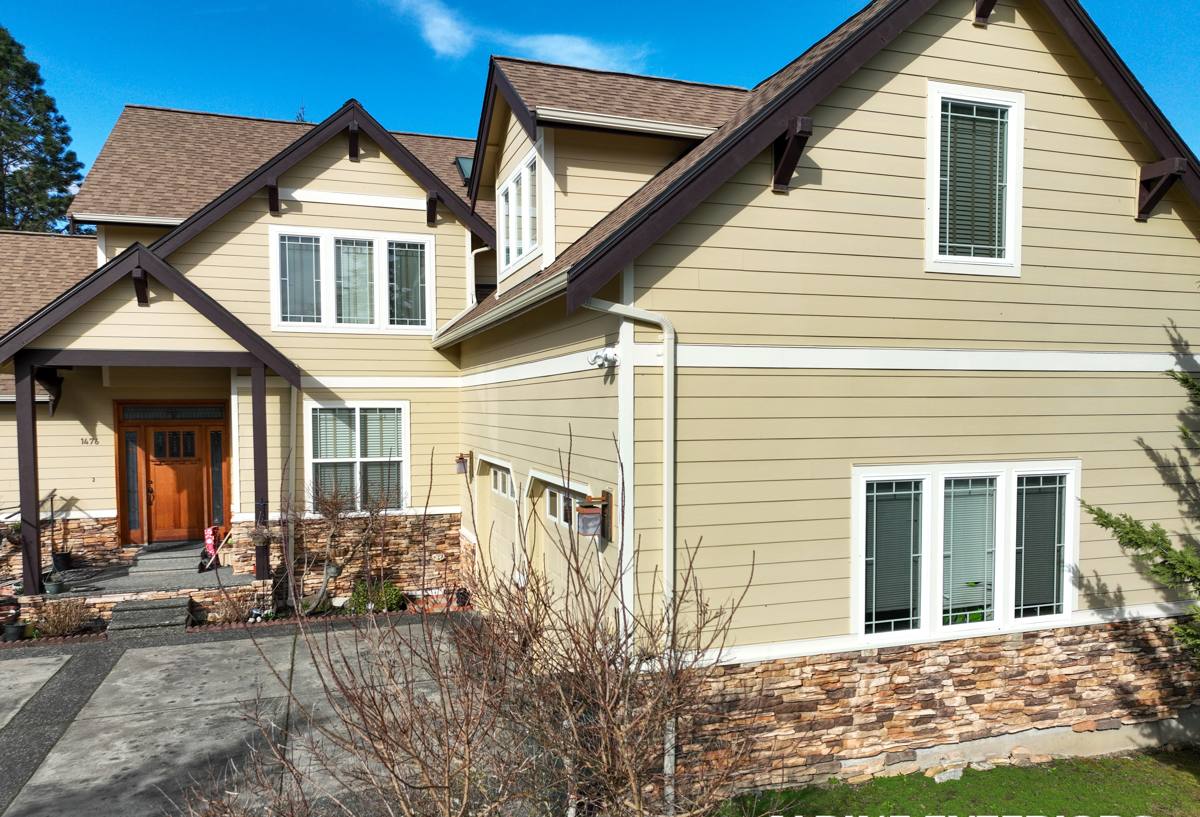
What the Local Climate Actually Does to a Roof
Florida's Gulf Coast climate isn't one thing — it's several things stacked on top of each other, and a roof near the water absorbs all of them at once.
Hurricane-Force Wind
Wind is the single biggest structural threat to a roof in this part of Pinellas County. It's not just the named storms — it's the routine gusty fronts, the afternoon squall lines, and the tropical systems that don't even make landfall nearby but still push sustained wind across the coast for hours. Wind failure on a roof almost always starts at an edge, a corner, or a fastener that wasn't seated or spaced correctly. Once wind gets under one lifted shingle or one loose panel, it doesn't stop — it peels.
Year-Round UV
Florida sun is intense in every season, not just summer. UV breaks down asphalt shingle mat and oils over time, which is why a shingle roof's real-world lifespan here typically runs shorter than the same product's rated life in a milder climate. UV also degrades sealants and adhesives faster, which matters more at penetrations, flashings, and ridge caps than most homeowners realize.
Wind-Driven Rain
Rain that falls straight down is easy to shed. Rain that's being pushed sideways by 40+ mph wind is a different problem — it gets forced up and under shingle tabs, into vents, and around flashing that would be perfectly fine in a calm rainstorm. A roof built for this area has to assume water will be tested from angles a standard installation doesn't plan for.
Salt Air
Being this close to the Gulf means airborne salt is a constant, low-level presence on every exposed metal component of your roof — fasteners, flashing, vent caps, drip edge. Salt accelerates corrosion, and corroded metal is where leaks and fastener failures start even when the shingles or panels themselves still look fine.
What a Correct New Roof Installation Involves
A new roof is more than laying shingles or panels over the old surface. Every layer underneath the visible roofing material is doing real work, and skipping or shortcutting any one of them is where most premature roof failures near the coast start.
| Component | What It Does | Why It Matters Near the Water |
|---|---|---|
| Tear-off & deck inspection | Removes old roofing down to the plywood/OSB deck; exposes rot, soft spots, prior water damage | Salt air and past wind-driven leaks often cause hidden deck damage that a roof-over would trap under new material |
| Deck repair/replacement | Replaces any damaged sheathing before new roofing goes down | A new roof is only as strong as the deck it's fastened to — this is where wind uplift resistance actually starts |
| Underlayment | Secondary water barrier between deck and roofing material | Backstops wind-driven rain that gets past the primary roofing surface |
| Flashing (valleys, walls, chimneys, penetrations) | Directs water away from seams and transitions | The single most common leak point on any roof, and where salt corrosion hits metal hardest |
| Drip edge | Metal edging at eaves and rakes | Protects fascia and gives wind less to grab at the roof's most vulnerable edge |
| Ventilation | Intake and exhaust airflow through the attic | Reduces attic heat buildup and moisture, extending the life of the roofing material and deck |
| Roofing material & fastening | The visible surface, installed per manufacturer wind-rated specs | Correct nail/fastener pattern and count is what actually determines wind performance, not just the product itself |
Skip any one of these and the roof might look complete on installation day but fail early where it isn't visible — usually at a flashing detail, a fastening pattern, or a deck that wasn't fully sound.
Roofing Material Choices for Redington Homes
There's no single "best" roofing material for every home — the right choice depends on your roof's slope, your home's structure, your budget, and how much wind exposure your specific lot has. Here's how the common options actually compare for this coastal stretch of Seminole.
| Material | Wind Performance | Salt-Air Durability | Typical Considerations |
|---|---|---|---|
| Architectural asphalt shingle | Good with proper fastening and a high wind rating; most common choice | Fair — metal components (nails, flashing, vents) need corrosion-resistant hardware | Best balance of upfront cost and proven performance; shorter real-world lifespan than inland due to UV |
| Standing seam metal | Excellent — concealed fasteners and interlocking panels resist uplift well | Good with proper coatings and stainless or coated fasteners | Higher upfront cost, longer expected service life, handles wind-driven rain very well |
| Tile (concrete or clay) | Good when installed with correct attachment system; heavy, which has its own tradeoffs | Good — tile itself doesn't corrode, but underlying fasteners and flashing still need attention | Requires structural verification for weight; underlayment and fastening detail matter more than the tile itself |
We'll walk through which of these fits your roof's slope, structure, and budget honestly — including the tradeoffs, not just the upsides — before you commit to anything.
Our Installation Process
- On-site inspection and estimate. We look at your current roof, deck condition (where visible), attic ventilation, and any problem areas you've noticed — leaks, sagging, granule loss, curling shingles.
- Written scope and material selection. You get a clear breakdown of what's being replaced, what material is being used, and why — no vague line items.
- Tear-off and deck inspection. Old roofing comes off completely; the deck gets inspected and any damaged sheathing is flagged before we move forward.
- Deck repair. Any soft, rotted, or water-damaged decking is replaced — this step doesn't get skipped to save time.
- Underlayment, flashing, and drip edge installation. Every transition, valley, and penetration gets properly flashed before the roofing material goes down.
- Roofing material installation to wind-rated specification. Fastener count, pattern, and placement follow manufacturer requirements for our wind zone — not a shortcut version.
- Ventilation check. Intake and exhaust venting is verified or corrected as part of the job, not treated as an afterthought.
- Final walkthrough and cleanup. We walk the job with you, and the property gets cleared of debris and stray fasteners — a magnetic sweep for nails is part of every roofing job we do.
What to Expect From a Coastal Roofing Crew
- Site logistics planned around narrow streets and limited staging space common near the water
- Weather-aware scheduling — we don't start a tear-off if a front or storm is close enough to leave your deck exposed
- Corrosion-resistant fasteners and flashing hardware, not standard-grade materials that weren't chosen for salt exposure
- Fastening patterns installed to the wind rating your roof actually needs for this location, not the minimum code default
- Clear communication if hidden deck damage is found once tear-off starts — no surprise change orders sprung on you at the end
Signs Your Redington Home May Need a New Roof, Not a Repair
Not every roof problem means full replacement — but there's a point where repeated patching stops making financial sense. Watch for:
- Granule loss heavy enough that shingles look patchy or bald in sections
- Curling, cupping, or cracking shingles across multiple areas of the roof, not just one spot
- Soft spots or visible sagging when walking the roof or viewing the deck from the attic
- Repeated leaks in different locations after storms, rather than one consistently failing spot
- Visible rust staining or corrosion around flashing, vents, or fasteners
- A roof approaching or past its material's expected service life, especially if it's never been reroofed
- Daylight visible through the roof deck from inside the attic
If you're only seeing one or two of these and they're localized, a repair may still be the right call — we'll tell you honestly if that's the case rather than pushing a full replacement you don't need yet.
What Drives the Cost of a New Roof
Roofing costs vary enough by home that a single number isn't useful, but the factors that move the price are consistent. Broadly, a full replacement on a typical single-family home in this area runs in the mid five figures to low six figures depending on size, material, and complexity — with asphalt shingle at the lower end and standing seam metal or tile at the higher end.
| Factor | How It Affects Cost |
|---|---|
| Roof size and pitch | More square footage and steeper pitches increase material and labor time |
| Material choice | Asphalt shingle is the most budget-friendly; metal and tile cost more upfront but can offer longer service life |
| Deck condition | Hidden rot or water damage found at tear-off adds repair scope that can't be priced sight-unseen |
| Roof complexity | Valleys, dormers, chimneys, and multiple roof planes add labor and flashing detail |
| Wind rating required | Higher-wind-rated installation specs (fastener count, underlayment type) affect labor and material cost |
| Permit and code requirements | Pinellas County permitting and current wind-load code requirements apply to the job scope |
Permits, Code, and Insurance in Pinellas County
New roof installations in this area require a permit and inspection through the applicable local building department, and installations need to meet current Florida Building Code wind-load requirements for our zone. This isn't optional paperwork — it's what protects you if there's ever a warranty, insurance, or resale question down the line. We handle the permitting process as part of the job rather than leaving it on the homeowner to sort out.
A properly permitted, code-compliant new roof can also affect homeowner's insurance — many carriers in coastal Florida ask for roof age, material, and installation documentation when writing or renewing a policy. Keeping your paperwork from a legitimate, permitted install matters here more than it does in a lot of the country.
Why Local Experience on This Coastline Matters
A roofing crew that mostly works inland neighborhoods isn't necessarily going to plan for the same things a Redington-area home needs. The wind exposure is higher this close to the Gulf, the salt air is more aggressive on fasteners and flashing, and the storm patterns that matter for scheduling and material selection are specific to this stretch of coast. Working in Seminole and the surrounding Pinellas County communities regularly means we're not guessing at fastener specs or flashing details for a coastal environment — it's the standard we build to every time, not a special upgrade tier.
If your roof is nearing the end of its life or you're dealing with recurring problems that patching won't fix, we're glad to take a look and give you a straightforward assessment — no pressure, no inflated quote to scare you into a decision. Reach out for a free estimate using the form below, and we'll walk your roof and talk through what it actually needs.