 Seminole Siding
 Redington Beach is a narrow barrier island town, and a deck there sits in one of the toughest exposure zones in Pinellas County — full sun for most of the day, salt-laden air blowing straight off the Gulf, and no real windbreak between the structure and whatever a storm brings in. A deck built or repaired to a generic standard doesn't hold up the same way here as it would a few miles inland in Seminole proper. The fasteners corrode faster, the wood grays and checks sooner, and any spot where water gets trapped instead of draining away turns into a rot problem years ahead of schedule. Deck repair in this location isn't just about swapping a few bad boards — it's about understanding which parts of the structure are actually failing and why, then fixing those correctly instead of just patching what's visible on top.
Why Redington Beach Decks Wear Out Faster
Four things combine on this stretch of coastline to shorten a deck's service life compared to a typical inland property. Hurricane-force wind events put real lateral and uplift load on railings, posts, and the connections that tie a deck to the house — connections that are often the weakest link if they weren't built or repaired to current standards. Year-round, intense UV breaks down wood fibers, fades and dries out any exposed finish, and accelerates checking and splitting on both wood and composite surfaces. Wind-driven rain, whether from a named storm or just a routine summer squall coming off the Gulf, drives moisture into joints, fastener holes, and any gap where flashing is missing or worn through. And salt air is a constant, low-grade attack on every piece of metal on the structure — screws, bolts, joist hangers, railing brackets — corroding them from the inside out long before the wood itself gives out.
None of that means a deck can't hold up well in Redington Beach. It means the repair has to account for all four factors together, not just address whichever one happens to be visible.
Where the Damage Actually Starts
Homeowners usually notice a deck problem where it's easiest to see — a gray, splintering board, a wobbly railing post, a soft spot underfoot. But the failure often starts somewhere less visible: the ledger board where the deck attaches to the house, the joist hangers underneath, or a fastener that's rusted through and lost its grip. By the time a problem shows up on the surface, the structural issue underneath it has usually been developing for a while. That's why a proper repair starts with an inspection that goes past what's visible from standing on the deck.
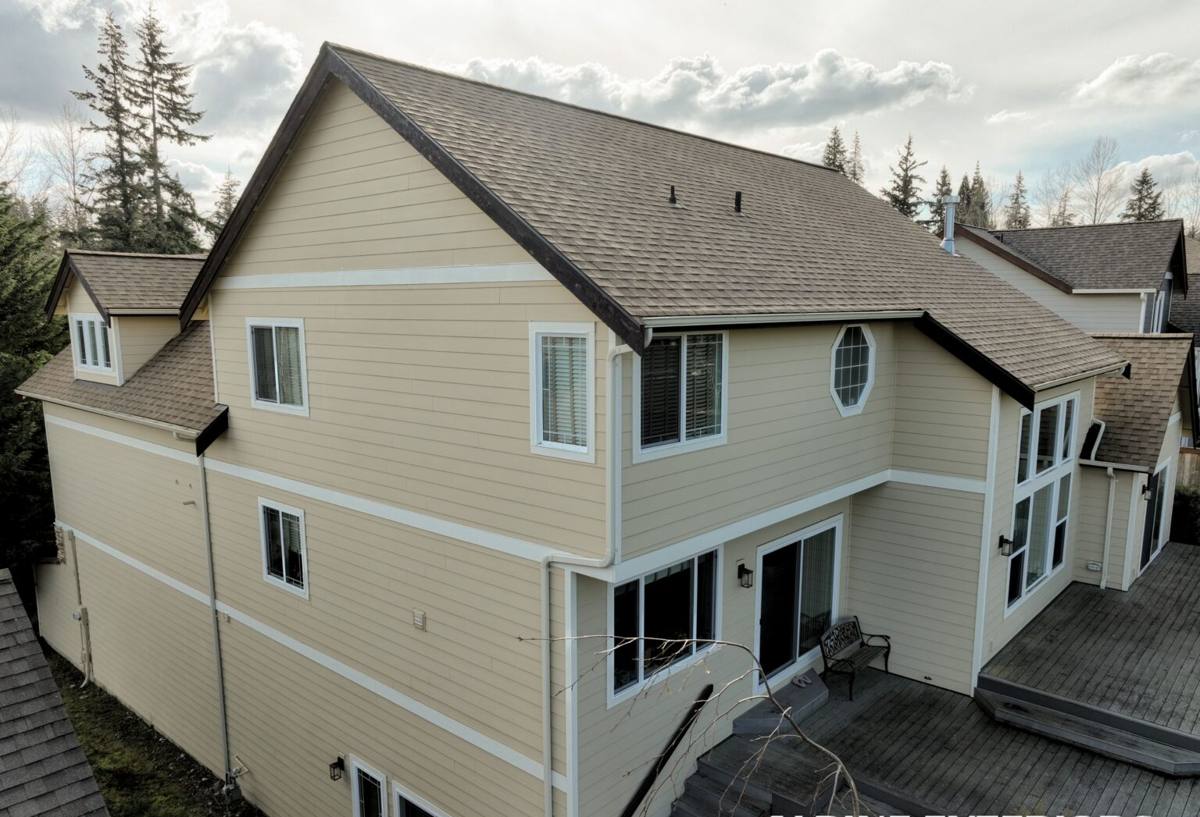
Common Deck Problems We See on the Beaches
- Soft or spongy decking boards — usually trapped moisture that's started breaking down the wood fibers from underneath
- Rusted or failing fasteners and hardware — screws, bolts, and joist hangers corroded by salt air, losing their holding strength
- Ledger board separation or rot — the connection between the deck and the house, often compromised by trapped water and inadequate flashing
- Loose or wobbly railings and posts — a safety issue that's also usually a sign of fastener or post-base failure below the surface
- Graying, splintering, or checked wood surfaces — UV and weathering damage that's cosmetic at first but opens the door to moisture intrusion
- Gaps or cupping between boards — moisture cycling that's pulled fasteners loose or warped the boards themselves
- Stair and step instability — heavily used, heavily exposed, and often the first part of a deck to show structural wear
What a Correct Deck Repair Involves
Inspection Beyond the Surface
We check the decking boards, but we also get under the deck to look at the joists, beams, posts, and the ledger connection to the house. A screwdriver test on suspect wood tells us more than a visual check alone — sound wood resists a probe, rotted wood doesn't. We also check every fastener type in use, since a deck built or repaired over multiple years often has a mix of hardware quality, and the weakest fasteners on the structure are usually what fail first.
Structural Repairs First
If joists, beams, posts, or the ledger board show rot or corrosion damage, those get addressed before anything cosmetic. A new top board over a compromised joist is a repair that looks finished and isn't. We sister or replace damaged framing members and correct any ledger flashing that's letting water behind the connection to the house, since that's one of the highest-consequence failure points on any attached deck.
Fastener and Hardware Upgrades
Given how hard salt air is on metal this close to the Gulf, repair work is also a chance to upgrade to corrosion-resistant fasteners and hardware where the original build used standard-grade material. That's a relatively small cost during a repair that pays off in years of service life, since re-doing fastener work later means pulling boards back up.
Decking Board Repair or Replacement
Individual boards that are soft, split, or badly cupped get replaced rather than patched. We match new material to the existing deck where that's practical, and we talk through whether it makes more sense to spot-replace or to plan a full resurfacing if enough of the decking is showing the same age-related wear.
Railings and Code Compliance
Railing height, baluster spacing, and guardrail strength are code items, not just style choices, and a repair is the right time to correct anything that's out of spec — especially on stairs, where instability is both a liability and a real fall risk. We'll flag any code gaps we find during the inspection, whether or not they're the reason you called us.
Quick Checklist Before You Hire
- Ask whether the inspection includes getting underneath the deck, not just walking the surface
- Ask what fastener and hardware grade is being used in the repair, and whether it's corrosion-resistant
- Confirm the ledger board and flashing at the house connection will be checked, not assumed sound
- Get clarity on repair vs. full resurfacing before work starts, with the reasoning explained
- Ask whether railing height and spacing will be checked against current code
- Confirm whether a permit is needed for the scope of work, and who's handling it
Repair vs. Replacement: How We Decide
| Factor | What It Tells Us |
|---|---|
| Framing condition | Sound joists, beams, and posts favor repair; widespread rot or corrosion in the structure usually favors rebuilding |
| Ledger board condition | A compromised ledger connection is a structural issue that often decides the scope on its own, regardless of how the decking looks |
| Extent of surface damage | A handful of bad boards favors spot repair; decking that's uniformly aged and weathered favors resurfacing |
| Age of the original build | Older decks built to older fastener and flashing standards often have more hidden issues than a repair alone will resolve |
| Your plans for the deck | A deck you're keeping long-term may justify upgrading materials now rather than repeating a partial repair again in a few years |
Our Process, Start to Finish
- On-site inspection — decking, framing, ledger connection, and hardware, including what's underneath, not just what's visible on top
- Honest assessment — repair, targeted resurfacing, or rebuild, with the reasoning explained plainly
- Permitting, if the scope requires it — structural deck work typically needs a permit in Pinellas County, and we handle that as part of the job
- Structural repairs — joists, beams, posts, and ledger flashing corrected before any surface work begins
- Decking, railing, and hardware work — boards replaced or resurfaced, railings brought up to code, fasteners upgraded to corrosion-resistant grade
- Final walkthrough — we check the repair together before we call the job done
Material Considerations for This Climate
Pressure-treated wood remains a common and reasonable choice for framing and decking, but it needs sealing or staining maintained on a regular schedule this close to the Gulf, since UV and salt exposure break down an unmaintained finish faster than in a more moderate climate. Composite decking costs more up front but resists moisture absorption and UV fading better over time, which can mean less maintenance work over the life of the deck — though it still depends on correct installation, since composite boards can trap moisture underneath just as readily as wood if the framing and ventilation underneath aren't handled right. Whichever surface material you choose, the fasteners and structural hardware matter just as much: coated or stainless-steel fasteners cost more than standard-grade hardware, but standard-grade hardware is exactly what corrodes first in salt air, and replacing failed fasteners later usually means pulling up boards that were otherwise fine. We'll walk through the real trade-offs for your deck rather than defaulting to one material for every job.
Why Hiring a Crew That Works This Coastline Matters
A deck repair done to a generic standard can look right on the day it's finished and still fail early here, because the things that actually determine longevity in Redington Beach — fastener grade, ledger flashing detail, how a joist connection is treated for corrosion resistance — aren't always obvious from the surface. A crew that works this part of Pinellas County regularly knows which failure points show up first on a barrier island deck and builds the repair around preventing those, not just around what a homeowner happened to notice. That's the difference between a repair that holds up through several hurricane seasons and one that needs the same fix again in a few years.
Ready When You Are
If you've noticed soft spots, a wobbly railing, or a deck that's just starting to show its age in Redington Beach, it's worth having someone look at what's actually happening underneath before deciding between a repair and a rebuild. We offer free, no-pressure estimates for deck repair in Redington Beach and the surrounding Seminole area — use the form below to get a time on the schedule.