 Seminole Siding
 Redington Beach is a narrow barrier island town in Pinellas County, sitting directly between the Gulf of Mexico and the Intracoastal Waterway. That position means almost every home here takes on more weather than a comparable house even a few miles inland — more salt, more UV, more wind, more wind-driven rain. Siding on a Redington Beach home isn't a cosmetic choice; it's the first line of defense for a structure that sits in one of the more demanding exposures on Florida's Gulf coast. We install James Hardie fiber cement exclusively, and on a barrier island town like this one, the reasons for that go beyond preference — they're about what actually survives here.
What Redington Beach's Location Does to a House
Four things work on siding here at the same time, year-round, not just during storm season.
Salt Air
Being this close to the Gulf means airborne salt is a constant, not an occasional event. It settles on every exterior surface, works into seams and fastener heads, and accelerates corrosion on anything not built or finished to resist it. Over years, that's a bigger factor in how siding ages than any single storm.
Year-Round UV
Pinellas County gets intense sun nearly every month of the year, not just in summer. Lesser siding materials and their paint or coating systems break down under that kind of sustained exposure — fading, chalking, and losing their protective layer faster than the same product would in a milder climate.
Wind-Driven Rain
Storms here don't just drop rain straight down — wind off the Gulf pushes it sideways into wall assemblies, testing every seam, joint, and piece of flashing on the house. A siding system that isn't installed with real water management behind it will eventually let that moisture in, usually at the transitions rather than the field of the wall.
Hurricane-Force Wind
Redington Beach sits in a wind-borne debris zone under Florida and Pinellas County building code. Siding on a barrier island home has to hold up to sustained high wind loads and wind-driven debris, and that's as much a fastening and installation question as it is a material question.
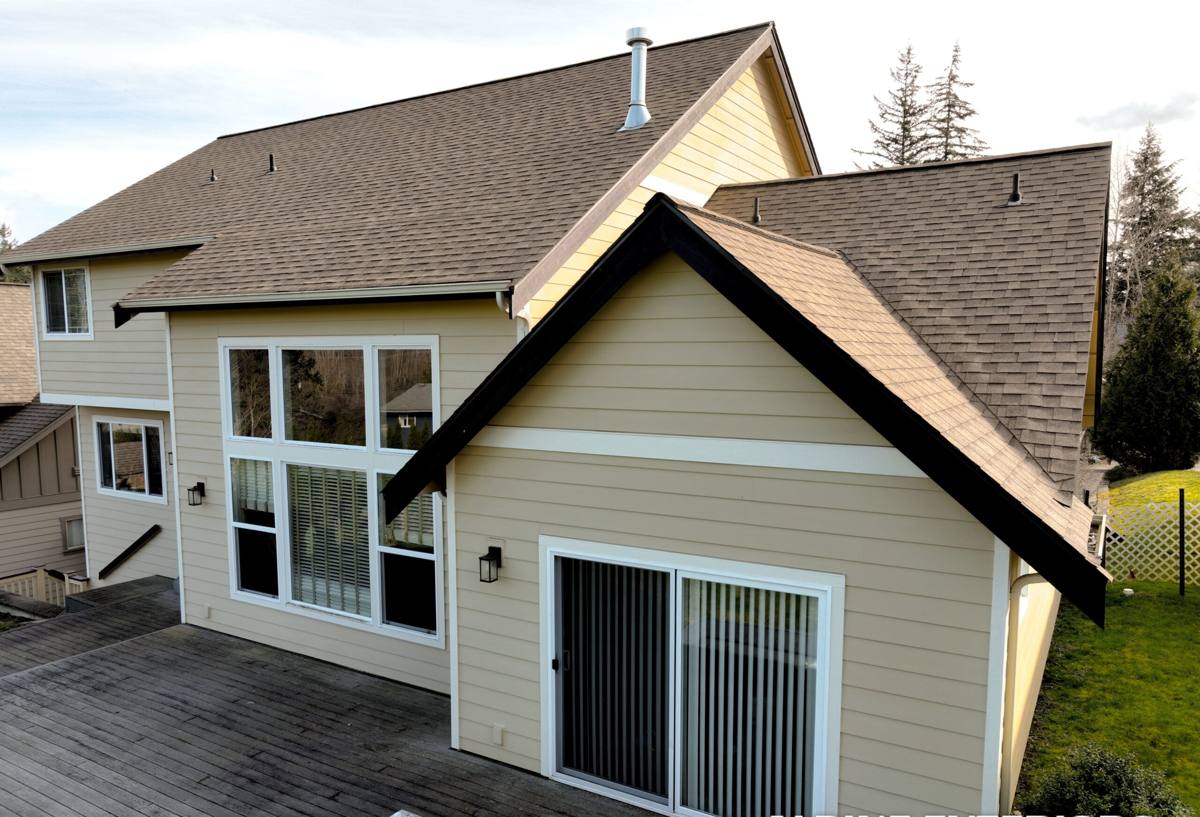
Why We Install Only James Hardie Here
We don't install vinyl siding, LP SmartSide, Cemplank, Allura, primed spruce, or cedar. That's a deliberate standard, not an oversight, and it comes directly from what a barrier island climate does to those alternatives over time.
Vinyl softens, warps, and can crack under sustained heat and impact, and it isn't the material code officials look at first when wind-borne debris resistance matters most. Wood-based products — cedar and primed spruce — need real, ongoing maintenance to resist moisture and salt-driven rot, and that maintenance burden only grows this close to the Gulf. Engineered wood siding like LP SmartSide has improved over the years, but it's still a wood-based product with edges and seams that are more sensitive to sustained moisture exposure than fiber cement. Other fiber cement brands, like Allura or Cemplank, are legitimate products in the category — our standardization on James Hardie specifically comes down to their ColorPlus factory-finish warranty, their climate-engineered HZ product lines built for exactly this kind of exposure, and the consistency we've seen installing their system over other options.
James Hardie fiber cement is non-combustible, doesn't rot, and is engineered to resist moisture, pests, and the kind of sustained salt and UV exposure a Redington Beach home deals with every day. The HZ5 product line is specifically formulated for high-humidity, coastal climates like this one — it's not a generic siding product with a coastal label slapped on it.
ColorPlus Finish in a Salt Air Environment
Field-painted siding on a coastal home has two jobs: cover the substrate and hold up to salt, sun, and moisture without failing early. James Hardie's ColorPlus finish is baked on at the factory under controlled conditions, which gives it more consistent coverage and better fade and wear resistance than a site-applied paint job, along with a finish warranty backed by the manufacturer. On a home that gets this much UV and salt exposure, that finish durability is not a minor detail — it's a big part of how long the siding looks and performs the way it should.
What a Correct Installation Involves on a Barrier Island Home
Hardie siding performs the way it's rated to only when it's installed to the manufacturer's specifications, and that matters more here than almost anywhere else in the county. A rushed or generic install can undercut even the best material.
Water Management Behind the Siding
Correct installation includes a weather-resistive barrier and properly lapped flashing at every window, door, and penetration, so that any wind-driven rain that gets past the siding face has somewhere to go besides into the wall assembly. This is the step that separates a siding job that lasts decades from one that starts showing hidden moisture problems within a few years.
Fastening for Wind Load
James Hardie specifies fastener type, spacing, and placement based on the wind zone the home sits in. A barrier island property in a wind-borne debris zone needs fastening that matches that exposure — this isn't a place to use standard-exposure fastening patterns and hope they hold.
Proper Clearance and Joint Treatment
Siding needs the correct clearance from grade, roof lines, and other transitions to avoid trapping moisture, and every joint and seam needs to be treated per Hardie's installation guide, not caulked over as an afterthought. On a home taking constant salt spray, a poorly treated joint is where corrosion and moisture problems start.
Trim and Accessory Compatibility
Trim, corner boards, and accessories need to be compatible with fiber cement's expansion and moisture characteristics. Mismatched materials at these transition points are a common source of early failure on coastal fiber cement installs, and it's an easy thing to get wrong if the crew doesn't do this kind of installation regularly.
Our Process for Redington Beach Homes
- On-site assessment — we evaluate the home's actual exposure, existing siding or substrate condition, and any moisture or structural issues before recommending anything
- Product and line selection — matching the right James Hardie HZ product and profile to the home's exposure and the look the owner wants
- Honest scope and pricing — a clear plan for what the job involves, with no pressure and no inflated claims
- Removal and substrate prep — old siding comes off and any hidden rot, moisture damage, or framing issues get addressed before new siding goes on
- Weather barrier and flashing installation — the water management system goes in first, sequenced and lapped correctly at every penetration
- Hardie siding installation — installed to manufacturer specification for fastening, clearance, and joint treatment, matched to the home's wind zone
- Final inspection and walkthrough — we check the completed work against Hardie's installation standards before calling the job done
Comparing the Options for a Coastal Home Like This
| Material | How It Holds Up on a Redington Beach Home |
|---|---|
| James Hardie fiber cement (HZ5) | Engineered for high-humidity, coastal exposure; non-combustible; factory ColorPlus finish resists fade and salt-driven wear; strong transferable warranty |
| Vinyl siding | Can soften, warp, or crack under sustained heat and wind-debris impact; not the first choice where wind-borne debris resistance matters most |
| Cedar or primed spruce | Needs ongoing maintenance to resist moisture and rot; salt air and humidity shorten the maintenance cycle further |
| LP SmartSide (engineered wood) | Improved over older wood products, but still wood-based with seams and edges more sensitive to sustained coastal moisture than fiber cement |
| Other fiber cement brands | A legitimate category; our standardization on James Hardie reflects its finish warranty structure and HZ coastal-engineered lines specifically |
What Affects the Cost of a Job Like This
| Factor | Why It Matters Here |
|---|---|
| Substrate condition | Homes with hidden rot or prior moisture damage from wind-driven rain need repair before new siding goes on |
| Home size and complexity | More corners, transitions, and penetrations mean more flashing and joint detailing, which is where labor time concentrates |
| Wind zone requirements | Fastening specifications for a barrier island wind-borne debris zone can affect labor and material planning |
| Profile and finish selection | Lap width, texture, and ColorPlus color selection affect material cost but not long-term durability |
| Access and staging | Barrier island lots are often tighter, which can affect equipment staging and job sequencing |
Why a Crew That Already Works Redington Beach Matters
Manufacturer installation guides are written for average conditions, and a barrier island town like Redington Beach is not average. A crew that doesn't regularly work this kind of direct Gulf exposure can install Hardie siding correctly on paper and still miss the details that matter most here — how tightly a flashing lap needs to be sequenced on a Gulf-facing wall, which fastening pattern actually holds up to sustained coastal wind versus the code minimum, or how much extra attention a joint needs because of year-round salt and UV cycling that a mainland job never sees at the same intensity.
We also know the permitting and wind-zone requirements that apply specifically to Pinellas County's coastal properties, which keeps the project moving instead of stalling on avoidable code questions. That familiarity comes from doing this work on this coastline repeatedly, not from a generic checklist.
Questions Worth Asking Before You Hire
- Has the crew installed James Hardie specifically on barrier island or direct Gulf-facing properties before, not just siding in general?
- Will they explain the flashing and water management plan for your home's specific exposure, not a generic answer?
- What fastening pattern and clearance will they use, and does it account for Redington Beach's wind zone?
- Are they familiar with Pinellas County's permitting requirements for coastal exterior work?
- Is the ColorPlus finish and Hardie warranty explained clearly, including what is and isn't covered?
- Will substrate condition be assessed and addressed before new siding goes on, not discovered as a change order later?
What to Expect From the Finished Job
A correctly installed James Hardie system on a Redington Beach home should hold its ColorPlus finish without early fading or chalking, keep water out at every seam and transition through wind-driven rain events, and stand up to sustained salt exposure without the corrosion or joint failures that show up on lesser-installed jobs within just a few years. It should also meet the wind and code requirements that apply specifically to this stretch of coastline, not just the state minimum for an inland property.
If you own a home in Redington Beach and you're thinking about siding — whether it's full replacement, storm damage repair, or you're just tired of watching a previous install fail early — we're happy to take a look and give you a straight answer. We offer free, no-pressure estimates, so use the form below to get a time on the schedule.