 Seminole Siding
 Siding Built for a Barrier Island, Not Just a Florida Address
Redington Beach sits on a narrow strip of land west of Seminole, with the Gulf on one side and the Intracoastal on the other. That position is what makes the town beautiful, and it's also what makes siding fail faster here than almost anywhere else in Pinellas County. Homes on this stretch of coast take a combination of hazards that inland siding jobs never see at the same intensity: sustained salt-laden humidity, direct and reflected UV exposure nearly every day of the year, wind-driven rain that gets forced sideways into seams and laps, and the real possibility of hurricane-force wind loads during storm season.
None of that means siding replacement here has to be complicated. It means the material, the detailing, and the crew doing the work all have to be chosen with that exposure in mind, not treated like a generic re-side job that happens to be near the water.
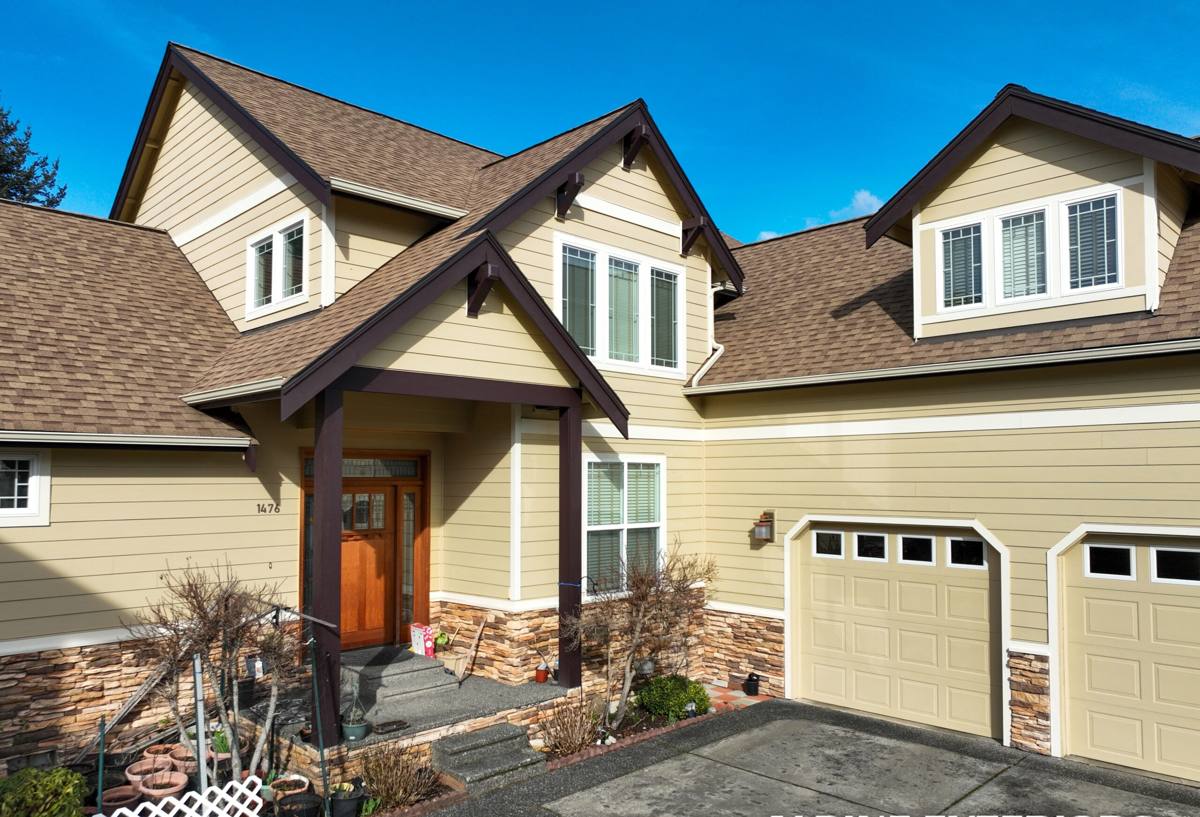
How Coastal Exposure Actually Damages Siding
It helps to understand the specific ways barrier island conditions break siding down, because it explains almost every decision in a correct replacement.
Salt Air
Airborne salt settles on every exterior surface and accelerates corrosion of fasteners, trim fasteners, and any exposed metal. On siding materials that aren't dimensionally stable, salt-laden moisture also speeds up swelling, delamination, and finish breakdown at seams and cut edges.
UV Load
Florida's UV exposure is intense nearly year-round, and reflected light off nearby water increases the dose on Gulf-facing and water-facing walls. Paint films and lower-grade factory finishes chalk, fade, and lose adhesion faster under this kind of sustained exposure than they would inland.
Wind-Driven Rain
Rain on a barrier island rarely falls straight down. Storm winds push it sideways and upward under laps, around penetrations, and behind trim that isn't properly flashed. A siding system can look fine and still be letting water behind the cladding if the water-resistive barrier, flashing, and fastening weren't detailed for wind-driven conditions.
Wind Load Itself
Beyond rain, the wind pressure on exterior walls near open water is simply higher than a few miles inland. Fastening schedules, panel selection, and attachment methods all need to account for that, not just meet a generic minimum.
Signs a Redington Beach Home Needs Siding Replacement, Not Just Repair
Some siding problems are cosmetic and can be patched. Others are signs the substrate or water management behind the siding has already failed, and patching just delays a bigger repair. Before assuming a repair is enough, check for:
- Soft, spongy, or crumbling siding when pressed, especially near the bottom courses or around windows and doors
- Visible warping, bowing, or buckling panels, particularly on Gulf-facing or Intracoastal-facing walls
- Paint that's peeling or bubbling in patterns that follow seams rather than random wear
- Persistent staining, streaking, or a musty smell along interior walls that back up to exterior siding
- Rusted or corroded fasteners visible at seams, trim, or panel edges
- Siding that's more than 20-25 years old and has never been fully replaced, only patched
- Gaps opening up at butt joints, corners, or where siding meets trim, windows, and doors
If more than one or two of these show up, especially the soft spots or interior staining, it usually means moisture has already gotten past the surface. That's a replacement conversation, not a caulk-and-paint conversation.
What a Correct Siding Replacement Involves Here
A siding replacement done right on a barrier island home is really a full exterior water-management rebuild, with new siding as the visible result. The steps that actually determine how long the job lasts happen underneath the new panels, not on top of them.
Full Tear-Off and Substrate Inspection
Old siding comes off completely so the sheathing underneath can be inspected for rot, delamination, or prior water damage. Skipping this step and siding over existing problems is one of the most common ways a "new" exterior fails within a few years.
Water-Resistive Barrier and Flashing
A continuous, properly lapped water-resistive barrier goes on before any siding, with flashing integrated at every window, door, and penetration so wind-driven rain has a defined path out, not a path in. This detail matters more here than almost anywhere else in the county because of how often wind pushes rain sideways.
Corrosion-Resistant Fastening
Fasteners and trim hardware need to be rated for coastal, salt-air exposure. Standard fasteners that would be fine a few miles inland can start corroding within a few years this close to the Gulf, which eventually compromises the whole attachment.
Correct Fastening Schedule for Wind Zone
Panel spacing and fastener spacing are adjusted for the higher wind pressures near open water, following manufacturer specifications for the applicable exposure category, not a generic inland schedule.
Factory-Finished Material
Wherever possible, the finish should be baked on at the factory under controlled conditions rather than field-painted, because a factory finish holds up far better against sustained UV and salt exposure than a field-applied coat.
Why We Install Only James Hardie Fiber Cement Siding
We don't install vinyl, LP SmartSide, Cemplank, Allura, or primed wood siding, on this project or anywhere else we work. That's not a marketing position, it's a standard we hold because of what we've seen these materials do, and not do, in exactly this kind of coastal exposure.
Vinyl siding softens, warps, and can crack under intense sustained heat and UV, and it's not rated for the higher wind speeds a barrier island property can see. Engineered wood products like LP SmartSide perform well in many climates but depend heavily on caulking, paint maintenance, and edge sealing staying perfect over time, an intensive maintenance burden in salt air and humidity. Primed wood and cedar require the most ongoing upkeep of any siding option and are the most vulnerable to moisture-driven rot in a wind-driven-rain environment.
James Hardie fiber cement siding is non-combustible, dimensionally stable in humidity swings, and doesn't rely on paint film integrity the way wood-based products do. Hardie's HZ5 product line is specifically engineered for high-humidity, storm-prone climates like ours, and the ColorPlus factory finish is baked on with a warranty backing the finish itself, not just the substrate. That combination is why it's the only product we put on homes, including here in Redington Beach.
Comparing Siding Materials in a Barrier Island Climate
| Material | Salt Air / Humidity Behavior | UV / Finish Durability | Wind Performance | Typical Maintenance |
|---|---|---|---|---|
| Vinyl Siding | Can warp and become brittle over time near salt exposure | Prone to fading, chalking, and heat distortion | Lower wind ratings; can crack or blow off in severe gusts | Low, but limited lifespan in harsh sun |
| Primed Wood / Cedar | High rot risk if moisture gets behind the paint film | Paint film fails fastest of any option under UV | Depends heavily on fastening and caulking | High; repainting and caulk inspection needed regularly |
| Engineered Wood (LP SmartSide) | Vulnerable at cut edges and seams if sealing isn't perfect | Field-applied or factory finish, moderate durability | Reasonable when installed to spec | Moderate to high; edge sealing is critical |
| James Hardie Fiber Cement | Dimensionally stable; not wood-based, resists swelling | ColorPlus factory finish holds color under sustained UV | HZ5 line engineered for high-wind, storm-prone regions | Low; occasional rinse and inspection |
Why a Crew That Already Works Redington Beach Matters
Siding installation quality depends as much on judgment calls made on-site as it does on the material itself, and those judgment calls are different on a barrier island than they are a few miles inland in Seminole. A crew that's already worked this specific area understands things a generalist crew has to learn on your project:
- How tight most lots are close to the water, and how to stage material and protect landscaping without extra damage
- Which flashing and fastening details actually hold up against wind-driven rain in this specific exposure, not just what a spec sheet says in theory
- What Pinellas County permitting and inspection expect for exterior work this close to the coast
- How to sequence a job around Gulf weather patterns so a home isn't left exposed mid-tear-off when a squall rolls in
- Realistic timelines that account for salt-air working conditions and material handling near open water
That local familiarity is the difference between a crew that treats your home as a routine job and one that treats it like the coastal property it actually is.
Our Process for a Redington Beach Siding Replacement
Every project starts with an on-site inspection of the existing siding and substrate, not a drive-by estimate. From there:
- We assess the current siding, sheathing condition, and any moisture damage already present
- We walk through James Hardie product and color options suited to your home's exposure and the neighborhood's look
- We provide a clear, written scope covering tear-off, substrate repair if needed, water-resistive barrier, flashing, and installation
- We handle permitting requirements for Pinellas County and coordinate scheduling around weather
- We complete full tear-off, inspect and repair sheathing as needed, then install the new water-resistive barrier, flashing, and Hardie siding to manufacturer specification for this wind exposure
- We do a final walkthrough with you before calling the job complete
We don't skip the substrate inspection step to move faster, and we don't side over existing problems. On a barrier island home, whatever's hidden behind the old siding usually matters more to the outcome than the new panels themselves.
What to Expect After Replacement
James Hardie fiber cement siding, installed correctly and backed by its transferable warranty, is built to hold up against the sun, salt, and storms that define life this close to the Gulf with minimal upkeep, typically an occasional rinse-down and a visual check after major storms. It won't need repainting on the same cycle wood or engineered wood products do, and it won't soften, warp, or become brittle the way vinyl can under sustained coastal heat and UV. That lower long-term maintenance burden is part of why we consider it the right material for this exposure, not just a preference.
If your Redington Beach home's siding is showing wear from the sun, salt, or storms, we're glad to take a look and give you a straightforward, no-pressure assessment of what it actually needs. Fill out the form below to request a free estimate.