 Seminole Siding
 Redington Shores Roofs Face More Than Just Sun and Rain
Redington Shores sits on a narrow barrier island in Pinellas County, wedged between the Intracoastal Waterway and the open Gulf of Mexico. That location is what makes the area beautiful, and it's also what makes roofing here harder than roofing a few miles inland. A shingle roof on a Redington Shores home has to deal with hurricane-force wind gusts, wind-driven rain that gets pushed sideways under loose or aging shingles, intense year-round UV that never really lets up, and a constant film of salt air settling on every exposed surface. None of those forces work alone — they compound. Salt-laden humidity accelerates the breakdown of exposed fasteners and flashing, UV bakes the asphalt and dries out the oils that keep shingles flexible, and wind finds every weak edge, seam, and nail that wasn't installed to hold under real coastal load.
A roof built to a generic, inland spec might look identical to a coastal-grade roof on install day. The difference shows up three, five, and ten years later, when the inland-spec roof is already curling, losing granules, and lifting at the edges while a properly built coastal roof is still doing its job. This page is about what a shingle roof actually needs to hold up on this stretch of Pinellas County coastline, and how we build and maintain that roof for homeowners in Redington Shores.
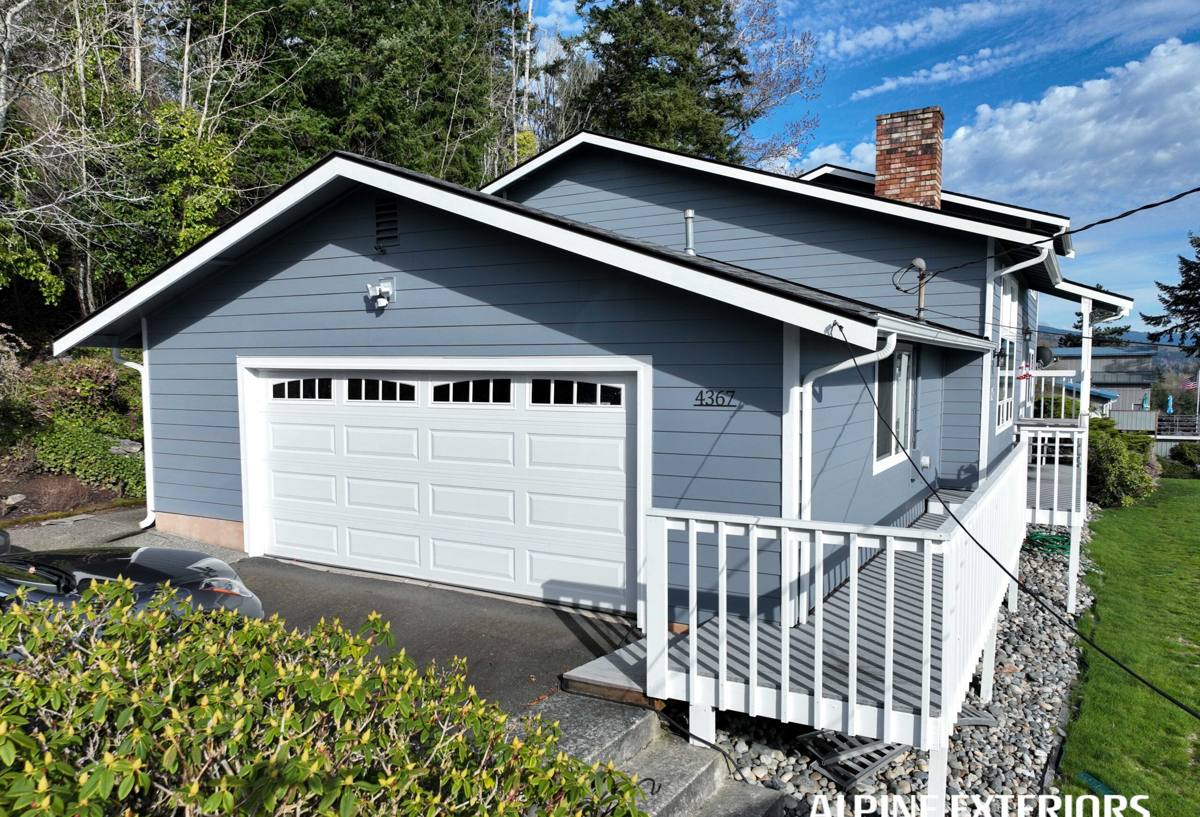
What a Correctly Built Shingle Roof Needs Here
There's no single trick that makes a roof "hurricane-proof" — no roof is. But there's a real difference between a roof assembled to minimum code and one built with this specific climate in mind. A handful of details matter far more here than they would on a roof twenty miles inland.
Wind-Rated Shingles and Correct Nailing
Shingle products vary in their tested wind resistance, and that rating only holds up if the shingle is installed with the fastener count and nailing pattern the manufacturer specifies for high-wind installation. A high-wind-rated shingle installed with a standard nailing pattern performs like a standard shingle. This is one of the most common corners cut on re-roofs, because it's invisible once the roof is finished — nobody can see the nailing pattern from the ground, but it's the difference between shingles that stay put in a tropical storm and shingles that peel off in strips.
A Real Secondary Water Barrier
Wind-driven rain doesn't fall straight down — it gets pushed under shingle tabs and around fasteners during a storm. A quality synthetic underlayment, properly lapped and sealed at penetrations, gives the roof deck a second line of defense if wind does compromise the shingle layer. On a barrier island home, this isn't an upgrade — it's a baseline expectation.
Corrosion-Resistant Flashing and Fasteners
Salt air is hard on unprotected metal. Flashing around chimneys, walls, and roof-to-wall transitions, along with the fasteners holding everything down, need to be rated for coastal exposure. Standard-grade metal that would be fine forty miles inland can start showing rust and pitting within a few years this close to the Gulf, and once flashing fails, water finds its way in even if the shingles themselves are intact.
Ventilation That Balances Airflow With Wind Resistance
A shingle roof needs to breathe — proper attic ventilation keeps the roof deck from cooking under Florida sun and prevents moisture buildup underneath. But ventilation components on a coastal home also need to be able to shed wind-driven rain and hold up under high wind pressure, not just move air. Getting the balance right takes more thought than defaulting to whatever ventilation package is cheapest.
Repair or Replace? Reading the Signs on a Redington Shores Roof
Because salt air and UV accelerate wear here, shingle roofs in Redington Shores often show their age differently than roofs inland. Some signs point to a targeted repair; others mean it's time to start planning for a full replacement.
- Granule loss showing up as dark streaks in gutters or bare, shiny patches on the shingle surface
- Shingle edges curling upward or cupping inward instead of lying flat
- Exposed or backed-out nail heads, especially after a windy season
- Shingles that lifted or went missing after a storm, even a small number
- Soft or spongy spots underfoot when walking the roof, suggesting deck damage below
- Rust staining or streaking around flashing, vents, or chimney edges
- Interior ceiling stains or musty odors in upper rooms after heavy rain
- Heavy moss or algae streaking on shaded or north-facing slopes
A few isolated missing shingles or a small area of granule loss can often be repaired without touching the rest of the roof. Widespread curling, multiple soft spots, or a roof that's already taken several storm cycles usually means repairs are just delaying a replacement that's coming regardless — and in the meantime, every gap is a place for wind-driven rain to get in.
Standard Installation vs. What Coastal Homes Actually Need
A lot of roofing work looks the same on a proposal. The real differences are in the details most homeowners never get shown. Here's how a standard, minimum-code approach compares to what we consider correct for a Redington Shores home.
| Component | Standard/Minimum Approach | What Redington Shores Homes Need |
|---|---|---|
| Shingle wind rating | Whatever the base product line offers | Higher wind-rated product matched to the home's actual exposure |
| Nailing pattern | Standard fastener count | Enhanced fastener count per manufacturer's high-wind specification |
| Underlayment | Basic felt or minimal synthetic | Full synthetic underlayment with sealed laps as a genuine secondary water barrier |
| Flashing and fasteners | Standard-grade metal | Corrosion-resistant metal rated for salt-air exposure |
| Ventilation | Minimum code airflow | Balanced intake/exhaust designed to shed wind-driven rain |
| Drip edge and eaves | Basic coverage | Continuous, properly fastened drip edge at all eaves and rakes |
None of these upgrades are exotic or unusual — they're standard practice for anyone building a roof that's meant to actually perform in a coastal wind zone rather than just pass a minimum inspection.
How We Approach a Redington Shores Re-Roof
Our process is built around getting the details above right the first time, since a roof isn't something you want to redo twice.
- Inspection and deck assessment. We check the current roof, the condition of the decking underneath, and any signs of past water intrusion before quoting anything, so the plan matches the home's actual condition rather than guesswork.
- Full tear-off and disposal. Old shingles, underlayment, and damaged flashing come off completely — we don't install a coastal-grade system on top of a compromised base.
- Deck repair. Any soft, delaminated, or water-damaged decking gets replaced before anything new goes down, since underlayment and shingles are only as good as what they're fastened to.
- Underlayment and water barrier. A full synthetic underlayment is installed and properly lapped, with extra attention at valleys, penetrations, and eaves where leaks most often start.
- Flashing and drip edge. Corrosion-resistant flashing goes in at every wall transition, chimney, and vent, with continuous drip edge along eaves and rakes.
- Shingle installation. Shingles go down with the fastener count and pattern required to achieve their rated wind performance, not just whatever's fastest.
- Ventilation and ridge work. Ridge and intake ventilation are set up to keep the attic properly balanced without creating a weak point for wind-driven rain.
- Cleanup and final walkthrough. We clear debris, run a magnetic sweep for stray fasteners, and walk the finished roof with the homeowner before calling the job done.
Permits, Inspections, and Working on a Barrier Island
Reroofing work in Redington Shores goes through Pinellas County and local permitting and inspection requirements, and a roofing job on a barrier island comes with logistics that don't apply to a typical inland job — narrower lots, limited street parking, closer proximity to neighboring homes, and in some cases HOA or community guidelines on materials and appearance. Staging a tear-off, getting a dumpster placed, and scheduling deliveries all take more planning on a street like the ones in Redington Shores than they would on a wide inland lot. A crew that's done this work in the community before knows what to expect and plans around it instead of running into it mid-job.
Maintaining a Shingle Roof in Salt Air
A well-built coastal roof still needs regular attention to reach its full lifespan. Salt air and UV don't take a break, and small maintenance habits go a long way toward avoiding early failure.
- Keep gutters and downspouts clear so water doesn't back up under the roof edge
- Rinse off heavy salt buildup and debris periodically, especially after storms
- Trim back overhanging branches that hold moisture and shade the shingles, encouraging algae growth
- Have the roof inspected after any significant wind event, even if nothing looks obviously wrong from the ground
- Address small issues — a lifted shingle, a rusting vent boot — before they turn into water intrusion
- Schedule a periodic professional inspection rather than waiting for a visible leak
Why Hire a Crew That Already Works Redington Shores
Roofing a barrier island home isn't the same job as roofing a house a few miles inland, even though the materials on the truck might look identical. A crew that regularly works Redington Shores already understands the wind exposure this stretch of Pinellas County coastline sees, knows how salt air actually affects flashing and fasteners over time rather than just in theory, and has been through the local permitting and inspection process enough times to keep a job moving without surprises. That familiarity shows up in fewer callbacks, fewer surprises mid-project, and a roof that's actually specified for the conditions it has to survive — not a generic install that happens to be located near the Gulf.
If you're weighing a repair, planning ahead for a replacement, or just want an honest read on where your current roof stands, we're happy to take a look. Reach out for a free, no-pressure estimate using the form below.