 Seminole Siding
 Redington Shores Sits in One of the Toughest Climates for Exterior Siding
Redington Shores is a narrow barrier island community, and homes here take a different kind of beating than houses ten miles inland. You've got salt-laden air moving in off the Gulf almost every day, intense UV exposure nearly year-round, wind-driven rain that finds every gap in a wall system, and the very real chance of hurricane-force winds during storm season. Any one of those factors will shorten the life of the wrong siding material. Together, they make Redington Shores one of the more demanding environments in Pinellas County to keep a home's exterior looking good and performing well.
If you're researching siding replacement for a home in this area, the material and installation approach matter more here than they would in a lot of other places. This page covers what a correct siding replacement looks like specifically for a Redington Shores property, how our process works, and why the climate should drive your material decision — not just the price tag.
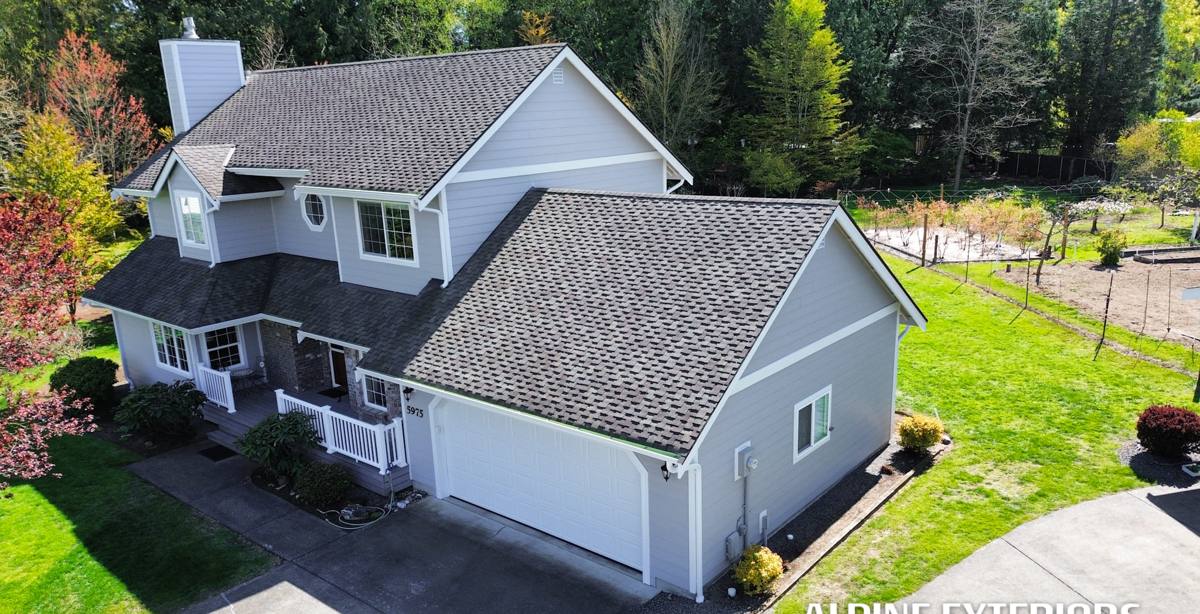
What Salt Air, Wind, and UV Actually Do to Siding
Salt Air
Airborne salt is corrosive and it doesn't stay near the beach — it travels on the wind and settles on every exterior surface in barrier island neighborhoods, including Redington Shores. On siding, salt exposure accelerates fastener corrosion, breaks down cheaper finishes faster than manufacturers advertise, and can work its way into seams and laps where moisture then gets trapped.
Wind-Driven Rain
Storms here rarely deliver rain straight down. Wind pushes it sideways and up under laps, around trim, and into any gap in the water-resistive barrier. Siding that isn't installed with the right lap spacing, flashing, and fastening pattern will let water behind the cladding — and once that happens, the sheathing and framing behind it are at risk regardless of how good the siding itself looks from the street.
UV Exposure
Florida sun is relentless on painted and coated surfaces. Factory finishes that aren't engineered for high-UV climates chalk, fade, and break down years ahead of schedule, which means repainting cycles come faster and the material's real lifetime cost climbs.
Wind Load
Redington Shores sits in a high-wind zone under Florida's building code. Siding that isn't rated and fastened correctly for that wind load can lift, crack, or detach in a tropical storm or hurricane — not just a Category 3-plus event, but sometimes in a strong seasonal squall.
What a Correct Siding Replacement Involves
Siding replacement isn't just stripping off the old panels and nailing up new ones. Done right, it's a full building envelope job. For a Redington Shores home, that means:
- Full removal of the old siding down to the sheathing so it can actually be inspected, not just covered up
- Sheathing repair or replacement anywhere water has already gotten in — rot, soft spots, or delamination don't get sealed over
- A correctly lapped and taped water-resistive barrier that's rated for wind-driven rain, not a builder-grade wrap that was never meant to be a home's real second line of defense
- Proper flashing at every window, door, and penetration — this is where the majority of coastal siding failures start
- Fastening pattern and fastener material matched to both the siding manufacturer's spec and the local wind zone
- Corrosion-resistant fasteners and trim hardware appropriate for salt air exposure
- Correct caulking and sealant at joints, using products rated for sun and salt exposure, not standard-grade sealant that will crack out in a season or two
Skip any one of these steps and you can end up with siding that looks fine from the curb for a year or two but is already failing behind the surface.
Our Process for a Redington Shores Siding Replacement
1. On-Site Assessment
We walk the exterior, check for soft or delaminated sheathing, look at how the current siding has held up to wind and salt exposure, and identify any trouble spots around windows, doors, and roof-to-wall transitions.
2. Scope and Estimate
You get a clear, itemized plan — what's being removed, what's being repaired underneath, what's being installed, and why. No vague line items.
3. Removal and Substrate Inspection
Old siding comes off and we inspect the sheathing before anything new goes up. This is the step that gets skipped by crews trying to move fast, and it's the one that determines whether the new siding actually lasts.
4. Weather Barrier and Flashing
We install and properly lap the water-resistive barrier and flash every penetration before a single piece of siding goes on.
5. Installation to Manufacturer Spec
Siding, trim, and fasteners go in following the manufacturer's published installation instructions — spacing, fastener depth, clearances from grade and roof lines, all of it. This is also what keeps the manufacturer's warranty intact; installing off-spec can void coverage even on a premium product.
6. Final Walkthrough
We go over the finished job with you, point out anything you should know for long-term maintenance, and make sure you're clear on what's covered under warranty.
Why We Only Install James Hardie Fiber Cement Siding
We don't install vinyl, LP SmartSide, or other fiber cement brands like Cemplank or Allura. That's a deliberate standard, not a default, and it's especially relevant for a barrier island property like the ones in Redington Shores.
Vinyl softens, warps, and becomes brittle under sustained high heat and UV, and it has real limits on wind resistance compared to fiber cement — a meaningful concern in a designated high-wind zone. Engineered wood products like LP SmartSide perform well in a lot of climates, but they rely on an intact factory coating to keep moisture out; any breach in that coating in a humid, salt-air environment invites the kind of moisture damage wood-based products are most vulnerable to. Other fiber cement brands aren't necessarily bad products, but we've standardized on one system so our crews install it the same correct way every time, and so you get one manufacturer's warranty and one accountable process — not a patchwork of products and installation habits.
James Hardie's HZ5 product line is engineered specifically for climates like ours — hot, humid, and hurricane-exposed. It's non-combustible fiber cement, it doesn't feed insects or rot the way wood-based sidings can, and the ColorPlus factory finish is baked on with a UV-resistant coating designed to hold color far longer than field-applied paint in intense sun. It carries a strong transferable warranty when installed to spec, which matters a lot if you ever sell the home. None of that is marketing shorthand — it's the specific reason it's the only material we put on a house.
Cost Factors for Siding Replacement in Redington Shores
Every home is different, but these are the main variables that move the price on a siding replacement in this area:
| Factor | Why It Matters Here |
|---|---|
| Home size and wall complexity | More square footage, corners, and roof lines mean more material and labor |
| Sheathing condition | Coastal homes with prior water intrusion often need sheathing repair before new siding goes on |
| Siding profile and trim details | Lap width, trim style, and accent details affect both material cost and install time |
| Access and staging | Narrow island lots and tight setbacks can affect equipment access and scheduling |
| Window and door count | Every penetration needs proper flashing, which adds labor |
| Wind zone requirements | Fastening and material specs for high-wind zones add labor time versus inland installs |
We give you a real, itemized number after seeing the home in person — not a ballpark pulled from a square-footage calculator.
Signs Your Siding May Already Be Failing
Coastal exposure can make siding problems progress faster than homeowners expect. Watch for:
- Soft or spongy spots when you press on the siding, especially near the bottom courses
- Visible warping, buckling, or panels that have pulled away from the wall
- Paint or finish that's chalking, fading, or peeling well ahead of schedule
- Rust streaks running down from fasteners or trim hardware
- Cracked or missing caulking at seams, corners, and window trim
- Musty odors or visible staining on interior walls near exterior corners
- Visible gaps or separation at seams after a storm
If you're seeing more than one of these, it's worth having someone look before the next storm season rather than after.
Why It Matters That a Crew Already Works Redington Shores
A crew that regularly works barrier island homes in Pinellas County already knows the wind zone requirements, understands how fast salt air degrades the wrong materials, and has seen firsthand what happens when a siding job skips flashing or uses the wrong fastener. That experience shows up in the details — the ones that don't matter until three years in, when a home installed by a crew unfamiliar with coastal conditions starts showing problems a properly built one won't have.
It also matters for permitting and code compliance. Homes in this part of Seminole and the surrounding barrier island communities fall under specific wind-load and building code requirements, and a crew that works here regularly builds to those requirements as a matter of habit, not as an afterthought.
Get a Straightforward Estimate
If your Redington Shores home's siding is showing its age — or you just want an honest read on its condition before storm season — we're happy to take a look. The estimate is free, there's no pressure, and you'll get a clear explanation of what we see and what we'd recommend. Use the form below to get started.