 Seminole Siding
 Roof Repair for Ridgecrest: Built for This Climate, Not a Generic Fix
Ridgecrest homes deal with a demanding combination of conditions every year: intense year-round UV that never really lets up, salt-laden air drifting in off the Gulf, wind-driven rain during the wet season, and the real possibility of hurricane-force wind loads for several months running. A roof repair that would hold up fine in a drier, milder climate can fail here within a couple of seasons if it wasn't done with those specific stresses in mind. That's the difference between a patch that looks fine on the day it's finished and a repair that's still doing its job three hurricane seasons later.
We work throughout Seminole and the surrounding Pinellas County area, and Ridgecrest is one of the neighborhoods where we spend a fair amount of time on roof repair specifically — not full replacements, not routine maintenance, but the kind of targeted work that fixes an active problem before it becomes a bigger one. This page walks through what the local climate does to a roof, what a correct repair actually involves, how our process works, and why it matters to hire a crew that already knows this area rather than one working here for the first time.
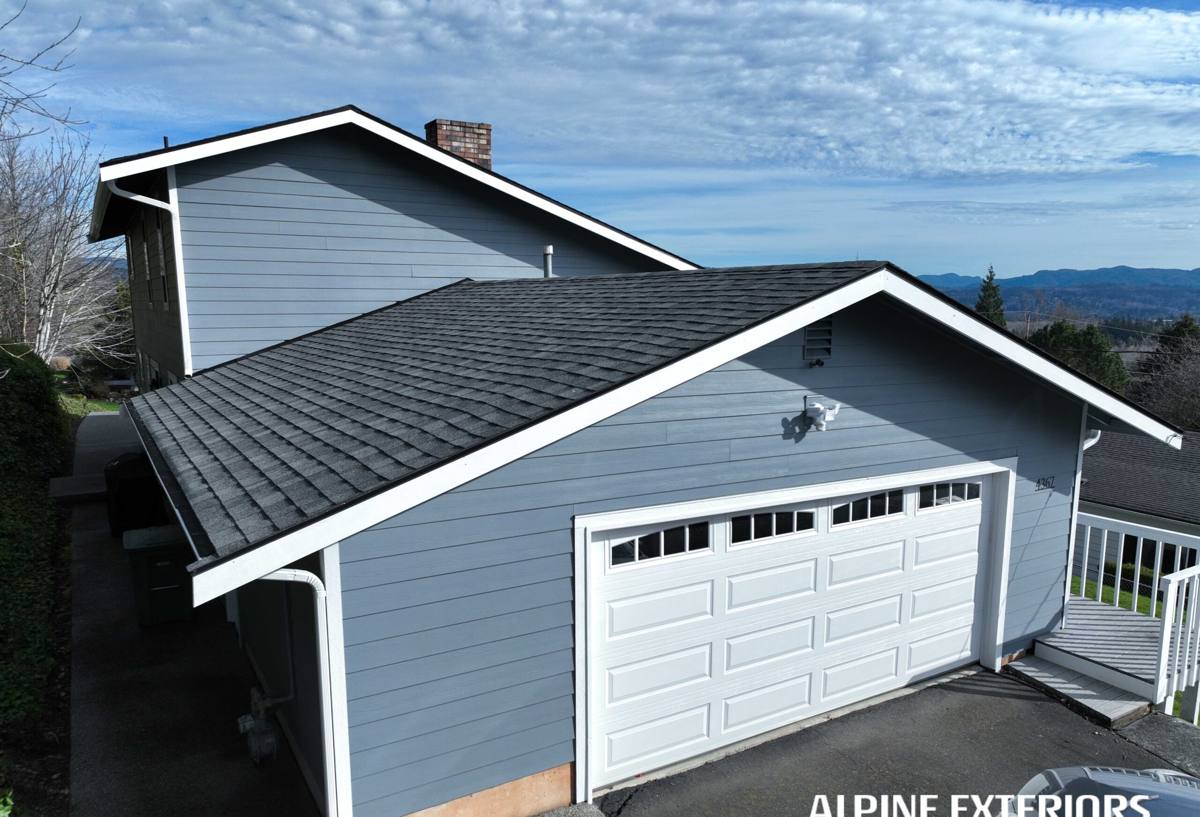
What Pinellas County Weather Does to a Ridgecrest Roof
UV Exposure
Florida's sun angle and long day length mean roofing materials here absorb more cumulative UV exposure per year than roofing almost anywhere else in the country. On asphalt shingles, that shows up as accelerated granule loss and brittleness; on any exposed sealant or flashing cement, it means faster cracking and drying out than the same material would experience in a milder climate. A repair that uses a sealant not rated for sustained UV exposure can fail within a single season, even if the workmanship underneath it was solid.
Wind-Driven Rain
Straight-down rain is easy for almost any roof to shed. Rain pushed sideways by 40, 50, or 60-plus mph wind is a different problem entirely — it finds its way under shingle edges, around vent pipes, and into any flashing joint that isn't sealed tight. This is one of the most common reasons a roof develops a leak that seems to come "out of nowhere" after a storm: the entry point was already marginal, and wind-driven rain is what finally pushed water past it.
Salt Air
Being close enough to the Gulf means airborne salt settles on roofing surfaces across Seminole, Ridgecrest included. Salt accelerates corrosion on exposed metal fasteners, flashing, and vent boots faster than it would inland. A repair that uses standard-grade fasteners or flashing instead of corrosion-resistant hardware may hold for a while, but it's not built for the long haul in this environment.
Hurricane-Force Wind Loads
Pinellas County sees real hurricane risk for a good part of the year, and wind is often what exposes a weak point in a roof that otherwise looked fine. Loose or under-fastened shingles, aging ridge caps, and flashing that was never properly sealed tend to be exactly what gives way first when sustained high winds hit. A repair done to code and to manufacturer wind-rating specs is what actually holds up when it matters, not just a patch that covers the visible damage.
What a Correct Roof Repair Actually Involves
A lot of roof repairs fail not because the wrong shingles were used, but because of what happened — or didn't happen — underneath them. Surface-level patching without addressing the underlying cause is one of the most common reasons a "repaired" roof leaks again within a year or two.
Finding the Real Source, Not Just the Visible Damage
Water doesn't always show up directly below where it entered — it can travel along the roof deck or framing before it stains a ceiling or shows up as a wet spot in the attic. A correct repair starts with tracing the leak back to its actual entry point, which is often a flashing joint, a cracked pipe boot, or a compromised valley rather than the shingle directly above the interior damage.
Matching Materials and Fastening to Local Wind Code
Any shingles, flashing, or fasteners used in a repair need to meet the same wind-rating standards required for new work in this area. A repair that uses whatever's on hand instead of matching the correct product and fastening pattern creates a weak point that's often invisible until the next major storm tests it.
Sealing Flashing and Penetrations Properly
Chimneys, vent pipes, skylights, and roof-to-wall transitions are where the majority of leaks originate. A correct repair means properly lapped, sealed flashing at every one of these points — not just a bead of caulk over an existing gap, which is a short-term cover-up rather than an actual fix in a climate this hard on sealants.
Checking the Roof Deck for Hidden Moisture Damage
If water has been getting in for a while before anyone noticed, the roof deck underneath may already be soft or delaminating. Repairing the surface without checking the deck underneath means the new work is sitting on a compromised base, which shortens its effective life regardless of how well the visible repair was done.
Comparing Repair Approaches
| Approach | What It Actually Does | Realistic Outcome in This Climate |
|---|---|---|
| Surface patch / caulk over the visible gap | Covers what's visible without tracing the source | Often fails within one storm season as UV and wind-driven rain find the same weak point |
| Shingle swap without flashing check | Replaces damaged shingles but leaves surrounding flashing untouched | Can look fixed while the actual leak source, often flashing, remains active |
| Full diagnostic repair (our standard approach) | Traces the leak to its source, checks the deck, replaces flashing and shingles to spec | Addresses the actual cause; holds up through UV, wind-driven rain, and storm-force wind |
How Our Repair Process Works in Ridgecrest
Every repair call starts with a roof inspection, not an assumption. We walk the roof (or inspect from a ladder when walking isn't safe or advisable given the pitch or material), check the attic for signs of moisture intrusion, and trace any reported leak back to where it's actually originating rather than just patching where the ceiling stain shows up. On older Ridgecrest roofs, that inspection often turns up more than one issue — a failing pipe boot alongside a section of aging ridge cap, for example — and we'll walk you through everything we find before any work starts.
Once we know what's actually wrong, we give you a clear, honest scope: what needs to be repaired, what materials we're using and why, and a straightforward cost estimate before work begins. Repairs are completed to the same fastening and flashing standards we'd use on new construction, because a repair done to a lower standard just means we're back at the same spot in a year or two.
What a Typical Roof Repair Includes
- Full roof and attic inspection to trace the leak or damage to its actual source
- Written scope and cost estimate before any work begins
- Removal of damaged shingles, flashing, or underlayment at the affected area
- Inspection of the roof deck underneath for soft spots or moisture damage
- Repair or replacement of compromised decking where needed
- Properly lapped, sealed flashing at all valleys, penetrations, and roof-to-wall transitions
- Shingles and fasteners matched to local wind-rating requirements
- Final walkthrough explaining what was done and what to watch for going forward
Signs a Ridgecrest Roof Needs Repair
- Water staining on ceilings or interior walls, especially near exterior walls or chimneys
- Missing, cracked, or curling shingles, particularly after a windstorm
- Granules collecting in gutters or at the base of downspouts
- Visible daylight through the roof deck when viewed from inside the attic
- Flashing that looks lifted, rusted, or missing sealant around vents or chimneys
- Soft spots when the roof is walked, or a sagging roofline
- A musty smell in the attic, which often points to trapped moisture before any visible leak appears
Any one of these is worth having a professional look at sooner rather than later. In this climate, a small, addressable repair today has a way of becoming a much larger job after just one more hurricane season of exposure.
Repair or Replace? An Honest Look
Not every roofing problem in Ridgecrest calls for a full replacement, and we don't default to recommending one. We look at the age of the roof, how much of the surface is affected, whether the deck underneath has moisture damage, and how many repairs the roof has already had. A localized leak on a roof that's otherwise sound is usually a straightforward repair. A roof nearing the end of its rated life, with damage spread across multiple sections or a deck that's showing widespread soft spots from long-term moisture, is more honestly addressed with a replacement than another round of patchwork. We'll walk you through what we find and explain the real trade-offs, rather than pushing toward whichever option happens to be more profitable for us.
Why a Crew That Already Works in Ridgecrest Matters
A contractor who works roofs across Seminole and the surrounding Pinellas County area through every storm season sees firsthand how UV, salt air, and hurricane-force wind actually behave on real houses over years, not just how a product performs on a spec sheet. That experience shows up in practical decisions: knowing which flashing details are worth the extra time because of how this area's wind-driven rain finds gaps, which fastener grades actually hold up against salt-air corrosion, and which roof sections in a neighborhood like Ridgecrest tend to take the most punishment based on orientation and tree cover. It also means someone who understands the local permitting and wind-code requirements without having to look them up for the first time on your job.
Beyond Roof Repair
Roof repair is a focused part of what we do, but a roof rarely fails in isolation from the rest of the exterior. If an inspection turns up related issues, such as damaged fascia, soffit, or siding near a roof-to-wall transition, we can address it as part of the same conversation rather than sending you to track down a second contractor. Getting the full picture up front is usually more efficient and more cost-effective than dealing with each piece separately.
If you're dealing with a leak, storm damage, or a roof that's just showing its age in Ridgecrest, we're glad to take a look and give you a straightforward, honest read on what it actually needs. Reach out using the form below to schedule a free, no-pressure estimate.