 Seminole Siding
 Roof Repair for Bardmoor Homes
Bardmoor is one of the established residential communities inside Seminole, and like most of Pinellas County it's built up with a mix of home ages and roof types — some original roofs nearing or past their expected service life, others that have already been replaced once and are now due for maintenance or repair rather than a full tear-off. Whatever the age of the roof, the climate stress on it is the same: intense year-round UV, wind-driven rain during the wet season, salt air drifting in off the Gulf, and the real chance of hurricane-force wind loads for several months of the year.
This page is specifically about roof repair — not full replacement — for homes in Bardmoor. A lot of roofs in this area don't need a whole new system; they need the right repair done correctly, with the right materials, by a crew that understands how Pinellas County's weather actually damages a roof over time. Done right, a repair can add years of reliable service. Done wrong, or with the wrong materials, it can mask a problem that comes back worse during the next storm season.
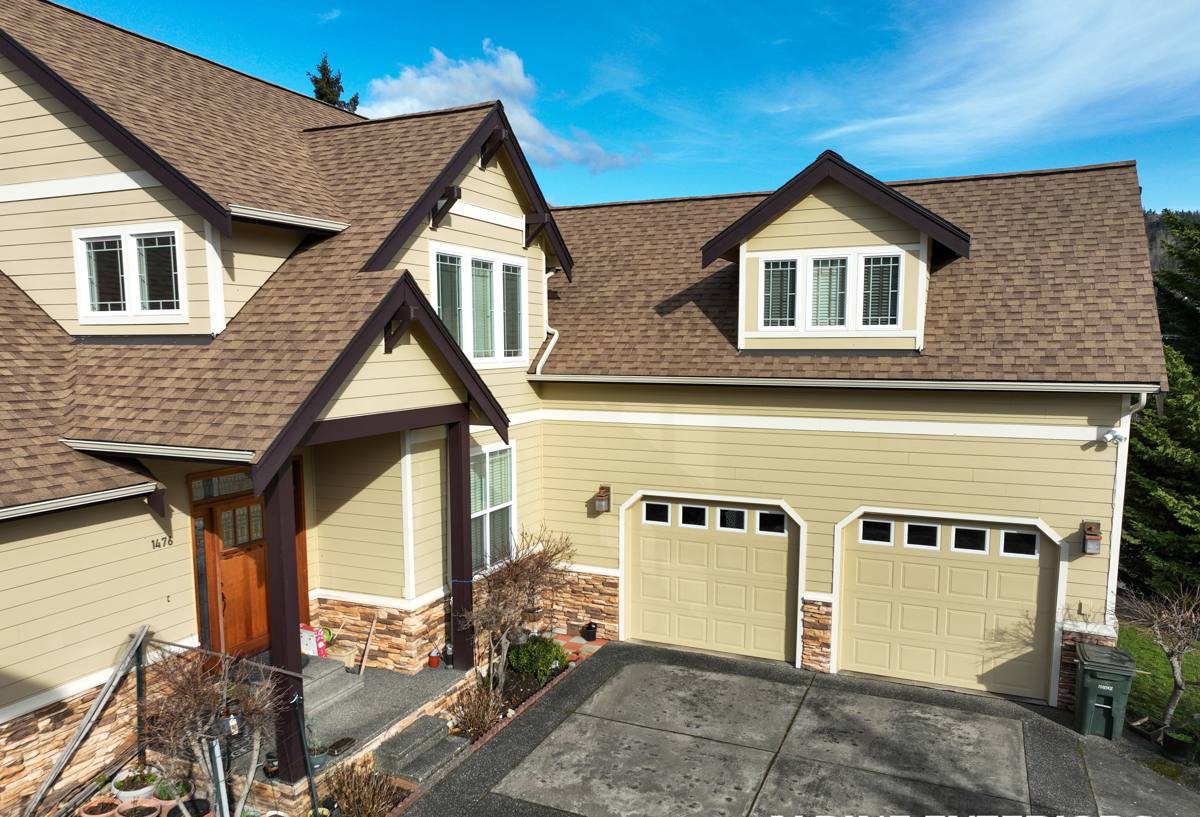
What Seminole's Climate Does to a Bardmoor Roof
UV and Heat
Florida sun puts a heavier cumulative UV load on roofing than most of the country ever sees. On asphalt shingles, that heat and UV exposure dries out the asphalt over time, making shingles brittle and prone to cracking or granule loss — usually showing up first on south- and west-facing slopes that catch the most direct afternoon sun. On tile roofs, UV is less of a direct concern for the tile itself, but it accelerates the breakdown of underlayment beneath the tile, which is often the real point of failure on an older tile roof.
Wind-Driven Rain
A calm rain is easy for almost any roof to shed. Rain pushed sideways by 40, 50, or 60+ mph gusts is a different problem — it finds its way under shingle tabs, around flashing that's lost its seal, and through gaps at valleys, penetrations, and ridge lines that would stay dry in ordinary weather. Most of the repair calls we see after a storm trace back to exactly these points, not to open, obvious damage.
Salt Air
Being within reach of Gulf air means airborne salt settles on every exposed roofing surface in Seminole, Bardmoor included. Salt accelerates corrosion on exposed metal — nail heads, flashing, drip edge, vent boots — well before the roofing material itself is due for replacement. A repair that reuses corroded fasteners or flashing is a repair that's already on the clock for a second visit.
Wind Uplift
Hurricane-force wind doesn't just push water sideways, it pulls upward on shingles and tile from underneath, especially at edges, ridges, and corners where uplift forces concentrate. Roofs with weak or aged fastening at those pressure points are the ones that lose material first in a storm, and it's a big part of why we look at edge and ridge condition closely on every repair call, even when the reported problem is somewhere else on the roof.
Common Roof Repair Issues We See in Bardmoor
| Issue | What Causes It Locally | Why It Needs Attention |
|---|---|---|
| Cracked or lifted shingles | UV-driven brittleness combined with wind uplift | Creates an entry point for wind-driven rain underneath surrounding shingles |
| Flashing failure at walls, chimneys, or skylights | Sealant breakdown under UV, corrosion from salt air | One of the most common sources of interior leaks, often mistaken for a "roof leak" when it's really a flashing detail |
| Deteriorated pipe boot / vent seals | Rubber or plastic boot collars degrade faster under intense Florida UV | Small, cheap fix if caught early; can lead to deck rot if ignored |
| Valley leaks | Concentrated water flow plus wind-driven rain finding worn valley material | Valleys carry more water than any other part of the roof, so wear there matters more |
| Loose or missing ridge material | Wind uplift at the highest-pressure part of the roof | Exposes underlayment directly to weather until repaired |
| Soft or stained decking at penetrations | Slow, long-term leak that went unnoticed from inside | Signals the repair needs to include deck work, not just surface patching |
How We Approach a Repair Call in Bardmoor
Every repair starts with an actual inspection, not a guess based on where a stain shows up on a ceiling. Water travels along decking and framing before it shows itself inside a home, so the visible stain and the actual leak point are often several feet apart. We get on the roof, check the suspected area and everything around it — flashing, penetrations, ridge and valley condition, fastener condition — and confirm what's actually happening before we propose a fix.
What a Proper Repair Includes
- On-roof inspection of the reported problem area and the surrounding roof plane
- Check of flashing, pipe boots, and penetrations near the affected area, since leaks often trace back to a spot other than where water shows up inside
- Removal of damaged shingles, tile, or underlayment down to sound material
- Inspection of decking underneath for soft spots or rot before anything new goes back on
- Repair or replacement of any compromised decking found
- Correctly lapped, sealed flashing and underlayment at the repair area, matched to manufacturer specification
- Matching replacement material as closely as possible to existing shingle or tile so the repair doesn't stand out as a patch job
- Corrosion-resistant fasteners appropriate for a salt-air environment
- A final check of surrounding areas that weren't part of the original complaint but showed early wear during the inspection
That last point matters more than it sounds. A repair that only touches the exact spot reported often gets called back out within a season, because the same UV and wind exposure that caused the original damage has been working on the surrounding area at the same time.
Repair vs. Replacement: How We Make the Call
Not every damaged roof needs to come off. We look at a few honest factors before recommending either path, and we'll walk you through our reasoning rather than just handing you a number.
| Factor | Favors Repair | Favors Replacement |
|---|---|---|
| Age of roof relative to material's service life | Roof is well within its expected lifespan | Roof is at or past the end of its expected lifespan |
| Extent of damage | Isolated to one area or a few penetrations | Widespread across multiple slopes |
| Underlayment condition | Underlayment elsewhere on the roof is still sound | Underlayment is failing broadly, not just at the repair spot |
| Decking condition | Decking is sound outside the repair area | Multiple soft or rotted areas found during inspection |
| Insurance and storm history | No prior storm-related claims on the same roof section | Repeated storm damage suggesting the roof system itself is compromised |
When a roof is a genuinely good repair candidate, we'll tell you that directly. When the honest answer is that a repair would just be a temporary patch on a roof that's already failing broadly, we'll tell you that too, along with why.
Why It Matters That the Crew Already Works Bardmoor and Seminole
Roof repair quality comes down to details that don't show up from the ground — how a flashing lap is sequenced, how much a repair patch is stepped into the surrounding material, whether fasteners are driven at the right depth and spacing for our wind zone. A crew that works Seminole and the surrounding Pinellas County communities regularly has already seen how these details hold up under this specific combination of sun, storms, and salt air, on the same general housing stock found throughout Bardmoor.
It also matters for permitting. Pinellas County's wind zone requirements affect fastening schedules and material specifications for roof work, and a contractor who pulls permits in this county regularly knows what inspectors expect, rather than applying a generic standard that doesn't reflect local code.
And it matters for response time. Roof leaks that show up during or right after a storm don't wait politely for a contractor to drive in from another county. Being local means we can get a crew on a Bardmoor roof quickly when timing actually matters.
Signs a Bardmoor Homeowner Shouldn't Ignore
- Water stains on ceilings or walls, especially near exterior walls, chimneys, or skylights
- Missing, cracked, or curling shingles visible from the ground
- Granules collecting in gutters or downspouts in noticeably larger amounts than usual
- Daylight visible through the roof deck from inside the attic
- Musty odors or visible mold in attic spaces
- Sagging areas on the roofline or in ceiling drywall
- Any storm damage — even if it looks minor from the ground
None of these automatically mean a full replacement. Many are exactly the kind of issue a well-executed repair resolves for good. But they're worth a professional look before the next storm season, not after water has already reached the decking and framing.
What to Expect From a Repair Estimate
An honest repair estimate starts with getting on the roof, not quoting from a photo or a phone description. We'll identify the actual source of the problem, check the surrounding area for related wear, and give you a clear explanation of what needs to happen and why — including whether repair is genuinely the right call or whether we think you're better served by a broader conversation about replacement. Cost on a repair depends on the extent of damage, whether decking work is needed, and how closely we need to match existing material, and we'll walk through those specifics with you rather than leaving you with just a bottom-line number.
If you're in Bardmoor or elsewhere in Seminole and dealing with a leak, storm damage, or a roof that just needs a second look before the next season, we're happy to come take a look and put together a straightforward, no-pressure estimate using the form below.