 Seminole Siding
 Roof Repair Built for Belleair Bluffs Conditions
Belleair Bluffs is a small community, but it sits in one of the toughest spots in Pinellas County for a roof to hold up. Homes here sit close to the water along Clearwater Harbor and the Intracoastal, which means more direct exposure to salt-laden air, humidity that never really lets up, and wind that comes off the water with little to slow it down. Add in Florida's intense year-round UV and the sideways, wind-driven rain that shows up during summer storms and hurricane season, and you've got a roof that's working harder than one just a few miles inland.
Roof repair in this kind of environment isn't just patch-and-go work. It's diagnosing why a roof failed in the first place — usually some combination of sun-baked materials, wind-lifted edges, or water finding a path through a seam or fastener — and fixing that root cause, not just the symptom. That's the approach we take on every repair call in Belleair Bluffs.
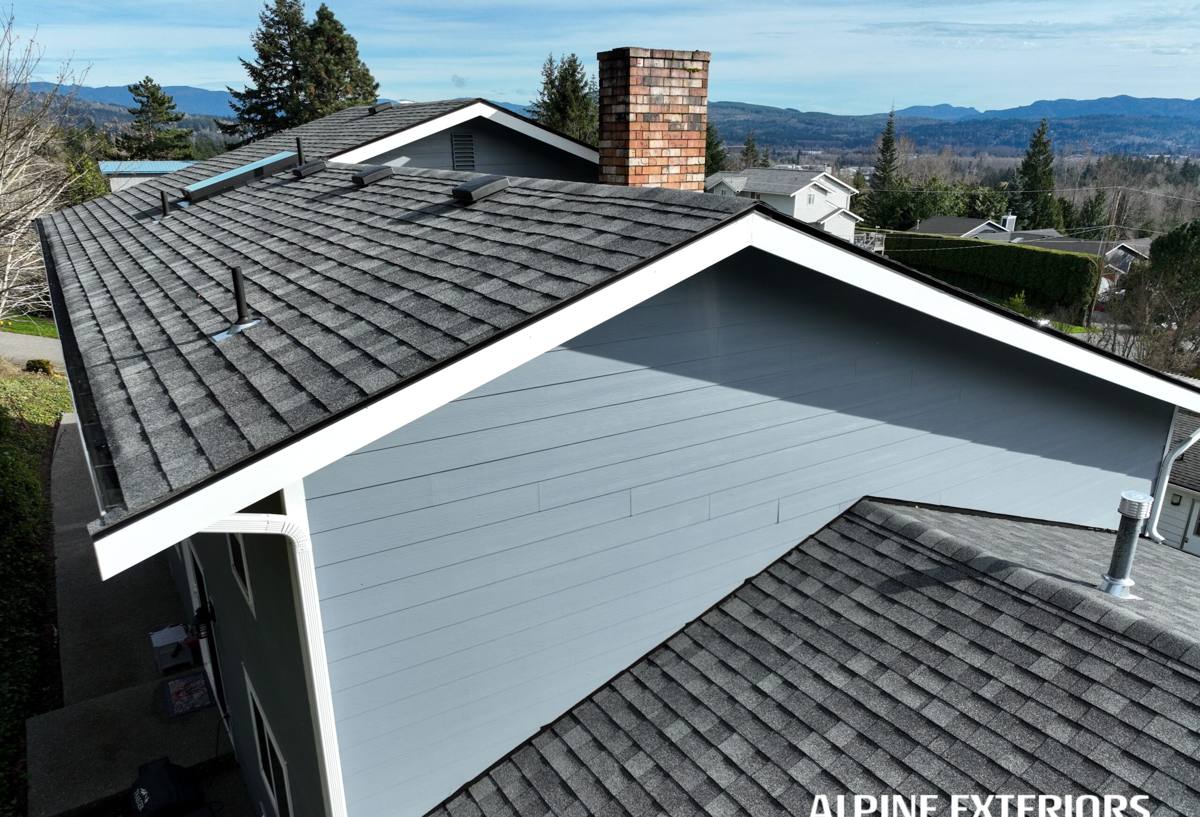
Why Local Roofs Fail Here Specifically
Wind and Wind-Driven Rain
Belleair Bluffs doesn't need a hurricane to see wind damage. Regular thunderstorm gusts, especially the kind that roll through in the afternoon during summer, can lift shingle tabs, work loose ridge caps, and drive rain up and under roofing material at any point where the seal has weakened. Once wind gets under one shingle or panel edge, it doesn't take much more to peel back several more.
UV and Heat Cycling
Florida sun breaks down roofing materials from the top down. Asphalt shingles lose their granules and become brittle over time; the daily cycle of intense heat followed by cooler nights (and sudden storm-driven temperature drops) causes materials to expand and contract, which stresses seams, flashing, and fastener points faster than in milder climates.
Salt Air
Being close to the water means metal components — nails, screws, flashing, vent stacks, drip edge — corrode faster here than they would a few miles inland. Corrosion at a fastener or flashing seam is one of the most common hidden causes of a slow roof leak, and it's easy to miss unless someone knows to check for it.
Humidity and Moisture Retention
Constant humidity means anything that traps moisture — clogged valleys, debris against a chimney or vent, poor attic ventilation — stays wet longer, which accelerates rot in decking and promotes the kind of slow deterioration that doesn't show up as a leak until it's already gone on for a while.
Signs You Need Roof Repair, Not a Full Replacement
Not every roof problem in Belleair Bluffs means a new roof. A lot of the calls we get are legitimate repairs — targeted fixes that add years of service life if they're caught and handled correctly. Here's what usually points to a repair rather than a full tear-off:
- A stain on an interior ceiling or wall that appeared after a storm, with no other visible damage
- A handful of missing, cracked, or lifted shingles concentrated in one area (usually a ridge, valley, or edge)
- Visible daylight or water staining around a single vent pipe, skylight, or chimney
- Granule buildup in gutters localized to one section of roof rather than the whole surface
- Flashing that's visibly separated, rusted through, or missing sealant at a joint
- A roof that's otherwise structurally sound and under 15–20 years old, with damage that's clearly isolated
If damage is spread across the whole roof, if decking underneath is soft or rotted in multiple places, or if the roof is already near the end of its expected life, repair becomes a short-term fix at best. Part of our job is telling you honestly which situation you're in — not steering every call toward the more expensive option.
What a Correct Roof Repair Actually Involves
A repair that's done right addresses the cause, not just the visible symptom. That generally means:
Finding the Real Entry Point
Water doesn't always show up where it enters. It can travel along decking or framing before it drips through a ceiling, so a leak over a bedroom might actually originate at a roof penetration several feet away. A correct repair starts with tracing the water back to its actual source, not just patching where the stain is.
Checking What's Underneath
Once we're into the damaged section, we check the decking and underlayment, not just the surface material. If decking has gone soft from sustained moisture, replacing shingles or panels over it without addressing the wood underneath just means the same repair fails again in a year or two.
Matching Materials and Fastening Method
Repairs need to tie into the existing roof system correctly — proper flashing integration, correctly lapped underlayment, and fasteners rated for coastal exposure. A repair that's cosmetically fine but not properly integrated with the surrounding roof is often where the next leak starts.
Sealing for Wind, Not Just Water
Given how much wind stress Belleair Bluffs roofs see, we pay particular attention to adhesive seal strips, ridge fastening, and edge details — the places wind gets a foothold first.
Common Roof Types in the Area and Repair Considerations
| Roof Type | Typical Repair Needs | Coastal Considerations |
|---|---|---|
| Asphalt Shingle | Lifted/missing tabs, seal failure, granule loss | UV breaks down shingles faster; wind can lift edges without a proper seal |
| Tile (concrete or clay) | Cracked or slipped tiles, underlayment failure beneath intact tile | Tiles often outlast the underlayment beneath them — leaks can exist under sound-looking tile |
| Metal Panel | Fastener backout, seam sealant failure, panel oil-canning at damaged spots | Salt air accelerates corrosion at fasteners and cut edges if not properly coated |
| Flat/Low-Slope | Membrane seam separation, ponding water damage, flashing at parapet or edge | Standing water combined with heat cycling stresses seams faster near the coast |
Our Repair Process
- Inspection and honest diagnosis — We look at the whole roof, not just the spot you flagged, since related wear is often nearby.
- Clear explanation — We explain what's actually wrong, why it happened, and what the repair does and doesn't fix, before any work starts.
- Repair scoped to the problem — We fix what needs fixing. We don't pad a repair into a bigger job it doesn't need to be.
- Proper material and flashing integration — Repairs are tied into the existing roof system correctly, not just laid over the top.
- Cleanup and a final check — We walk the repair with you and make sure the area is left clean.
Repair vs. Replacement: What Actually Drives the Decision
| Factor | Leans Toward Repair | Leans Toward Replacement |
|---|---|---|
| Roof age | Under 15 years, or well-maintained mid-life roof | Nearing or past manufacturer-expected lifespan |
| Damage extent | Isolated to one section or component | Spread across multiple areas or the whole surface |
| Decking condition | Solid, dry decking beneath damaged material | Soft, rotted, or repeatedly wet decking |
| Storm history | Single event, otherwise sound roof | Cumulative damage from multiple storms over the years |
| Cost pattern | One repair, reasonable and one-time | Repeated repair calls to the same roof within a couple of years |
Repair costs vary widely depending on roof type, pitch, accessibility, and how much of the roof system needs to be opened up to do the job right — there's no honest flat number to quote without seeing it. What we can promise is a clear, itemized explanation of what you're paying for before any work begins.
Why It Matters to Hire a Crew That Already Works Belleair Bluffs
Roofing crews who work across a wide territory tend to treat every roof the same way. A crew that regularly works Belleair Bluffs and the surrounding Pinellas County communities has already seen how local conditions — the wind exposure near the water, the salt-air corrosion on fasteners and flashing, the specific storm patterns that roll through this part of the Gulf coast — actually play out on real roofs, not just in a training manual.
That familiarity matters in practical ways: knowing which flashing details tend to fail first on homes exposed to harbor-side wind, recognizing salt corrosion before it becomes a leak, and understanding which repair approaches actually hold up here instead of just meeting a generic code minimum. It also means faster response — a local crew doesn't have to drive across the county to get to you, which matters when there's active water intrusion.
Simple Maintenance Checklist Between Repairs
A repair holds up longer when the rest of the roof is kept in reasonable shape. Between service calls, homeowners in Belleair Bluffs can help their roof along with a few basic habits:
- Keep gutters and valleys clear of debris so water has a clear path off the roof
- Have the roof looked at after any named storm or significant wind event, even if nothing looks obviously wrong from the ground
- Watch for granules collecting in gutters or at downspouts, which can signal accelerating shingle wear
- Note any new ceiling stains right away rather than waiting to see if they spread
- Trim back overhanging branches that can abrade roofing material in wind or drop debris into valleys
- Schedule a periodic inspection rather than waiting for a visible leak, since coastal wear often starts underneath before it's visible from inside
Get an Honest Look at Your Roof
If you're dealing with a leak, storm damage, or just want a second opinion on a repair someone else quoted, we're glad to take a look. We'll tell you plainly whether it's a repair or something bigger, and give you a clear, no-pressure estimate before anything gets scheduled. Use the form below to request your free estimate.