 Seminole Siding
 Barrier Island Siding Has a Harder Job Than Most
St. Pete Beach sits right on the Gulf, which means the siding on these homes works harder than siding almost anywhere else in Pinellas County. It isn't just one stressor — it's four of them stacked on top of each other, year-round. Salt-laden air corrodes anything that isn't rated for it. Intense, near-constant UV breaks down pigments and resins. Wind-driven rain finds every gap in a wall assembly that wasn't detailed correctly. And when a tropical system or hurricane comes through, the wind load on an exposed barrier-island wall is significantly higher than what an inland Seminole or Largo home ever sees. Siding that would hold up fine forty minutes inland can fail early here.
That's the lens we bring to every St. Pete Beach fiber cement siding job: this isn't a generic re-side, it's an install for a specific, demanding microclimate. This page covers what that actually requires — the product, the detailing, and the process — not just a sales pitch.
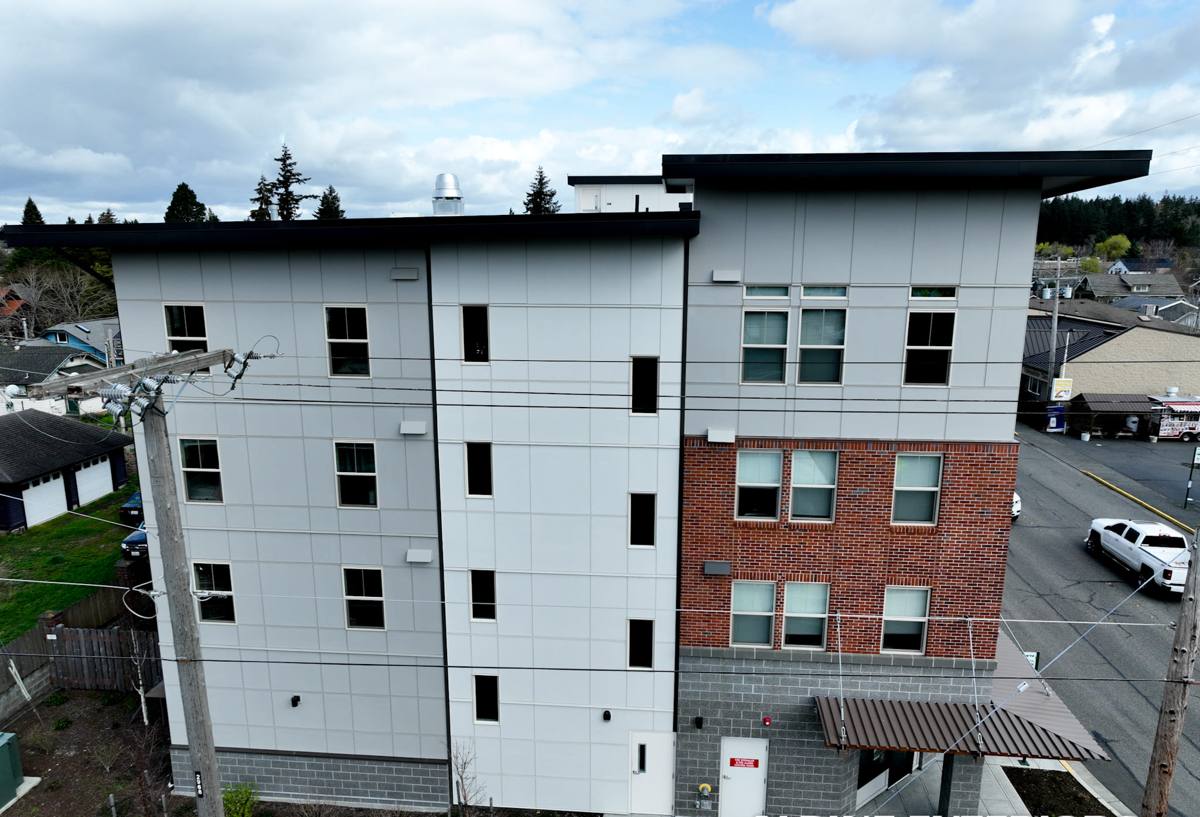
What Salt Air, UV, and Wind-Driven Rain Actually Do to a Wall
Salt Air
Airborne salt is corrosive to fasteners, flashing, and trim that aren't rated for coastal exposure. It also accelerates the breakdown of lower-grade coatings, which is why paint jobs and cheaper composite products tend to chalk, fade, or peel faster this close to the Gulf than they would even a few miles inland.
UV Exposure
Florida sun is intense nearly every day of the year, and a west- or south-facing wall in St. Pete Beach takes a beating. Factory-applied, baked-on finishes hold color and integrity far longer under this kind of sun exposure than field-applied paint, which is one of the biggest practical differences between siding products.
Wind-Driven Rain
Rain here rarely falls straight down — Gulf winds push it sideways into walls, which means water is being forced up and under laps, around windows, and behind trim in a way that vertical rain never tests. A wall system is only as good as its weakest flashing detail, and wind-driven rain finds that weak point eventually.
Storm and Sustained Wind Load
Beyond named storms, St. Pete Beach gets regular sustained coastal winds that put ongoing stress on fastening patterns and panel edges. Siding here needs to be engineered and installed for wind zones, not just nailed up to a general spec.
What a Correctly Installed Fiber Cement Wall Actually Involves
Fiber cement siding is only as good as the assembly behind it. On a St. Pete Beach home, the water-management and fastening details matter more than the visible plank itself. A correct installation includes:
Moisture Management Behind the Siding
- A code-compliant weather-resistive barrier installed with proper laps, not just stapled up quickly
- Correctly flashed and integrated window and door openings, so wind-driven rain can't track behind the trim
- Proper drainage plane and, where called for, a rainscreen gap so any moisture that does get behind the siding can drain and dry instead of sitting against the substrate
- Kickout flashing at roof-wall intersections, a detail that's frequently skipped and is one of the most common causes of hidden rot
Fastening for a Coastal Wind Zone
Fastener type, spacing, and embedment all need to match the local wind zone and the manufacturer's engineered fastening schedule — not a generic nailing pattern. Using the wrong fastener spacing, or fasteners that aren't corrosion-resistant, is a quiet failure point: the siding looks fine going up, then underperforms in the first real storm or starts staining and loosening within a few years from corrosion.
Proper Clearances
Fiber cement needs the correct clearance from grade, roof lines, decks, and other hard surfaces so it isn't sitting in standing water or trapped moisture. On beach-area lots with irregular grading or proximity to pools and decks, this gets overlooked more often than it should.
Why We Install Only James Hardie Fiber Cement
We standardized on James Hardie products and don't install vinyl, LP SmartSide, or other fiber cement brands. That's a deliberate call, not a default. Vinyl softens, warps, and fades faster under sustained coastal UV and heat, and it isn't built to shrug off wind-driven debris the way a rigid fiber cement plank can. Engineered wood products depend on their outer coating staying fully intact to keep moisture out — a tough ask on a barrier island where salt air, humidity, and sun are working against that coating every single day. Fiber cement itself is non-combustible and dimensionally stable, but not every fiber cement brand backs that with the same climate-specific engineering or factory finish.
What HZ5 Engineering Means Here
James Hardie's HZ5 product line is engineered specifically for high-humidity, storm-exposed climates like ours — it's built to resist moisture-related damage in exactly the conditions St. Pete Beach deals with every year. Combined with the factory-applied ColorPlus finish, which is baked on and warrantied against fading and peeling far more robustly than field-applied paint, it's the combination we're comfortable standing behind on a Gulf-front home.
Choosing a Product Line for a St. Pete Beach Home
James Hardie makes several product lines, and the right one depends on the home's style, budget, and how exposed the walls are. Here's how we typically walk homeowners through it:
| Product Line | Best Fit | Cost Factor |
|---|---|---|
| HardiePlank Lap Siding | Most common choice; classic horizontal look, wide color and texture range | Baseline cost; most efficient install |
| HardiePanel Vertical Siding | Modern or coastal-style homes, accent walls | Comparable material cost; framing/furring detail can add labor |
| HardieShingle | Cottage or beach-style architecture, gable accents | Higher labor due to individual piece installation |
| Board & Batten (via HardiePanel) | Contemporary curb appeal, porch and entry accents | Moderate; batten strips add material and labor |
Beyond the product line, the biggest real cost drivers on a St. Pete Beach job are typically the condition of the substrate once old siding comes off, how much trim and flashing work the openings need, wall height and access (common on elevated coastal homes), and whether it's a full re-side versus new construction. We walk through all of that during the estimate so there are no surprises once work starts.
Our Process, Start to Finish
- On-site assessment: We walk the exterior, check the current siding and substrate condition, look at flashing and moisture points, and measure exposure on each elevation.
- Written estimate: A clear scope covering product line, color, trim, and any substrate or flashing repairs identified.
- Tear-off and substrate check: Old siding comes off and we inspect sheathing for hidden moisture damage before anything new goes up — this is where problems from a prior bad install often surface.
- Weather barrier and flashing installation: Proper laps, window/door integration, and kickout flashing where roof lines meet walls.
- Siding installation: Installed to James Hardie's fastening schedule and clearance requirements for our wind zone.
- Trim, caulking, and touch-up: Final detailing at joints, corners, and penetrations.
- Walkthrough: We review the finished work with the homeowner before calling the job complete.
What to Check Before Hiring Anyone for This Job
Fiber cement is unforgiving of a rushed or careless install — problems don't usually show up on day one, they show up two or three years later as staining, cracking at fastener points, or moisture damage behind the wall. Before hiring a crew for a St. Pete Beach project, it's worth confirming:
- They carry proper licensing and insurance for exterior work in Pinellas County
- They can explain their flashing and moisture-management approach, not just the siding brand
- They follow the manufacturer's fastening schedule for our wind zone rather than a generic pattern
- They've worked on barrier-island or near-coastal homes before and understand salt-air conditions
- They provide a written scope of work, not just a verbal price
- They're clear about warranty coverage — both the manufacturer's and their own labor warranty
Living With Fiber Cement Siding Near the Gulf
One advantage of a correctly installed James Hardie system here is how little ongoing maintenance it needs compared to other options. It doesn't need repainting on the schedule that field-painted wood or trim does, and it isn't prone to the warping or heat distortion that some other siding materials show in direct coastal sun. That said, no exterior material is maintenance-free in this environment. A periodic rinse to clear off salt residue and dust, prompt caulking touch-ups at any joint that opens up, and keeping an eye on areas near sprinklers, pools, or dense landscaping (where moisture lingers longest) go a long way toward getting the full life out of the material.
Why Local Experience in This Specific Area Matters
St. Pete Beach isn't interchangeable with siding a house in Tampa or a subdivision further inland. The wind exposure, salt content in the air, and even how local building departments handle permitting for coastal and flood-zone properties are specific to this stretch of Pinellas County. A crew that already works St. Pete Beach and the surrounding Gulf-front communities knows the wind zone requirements, has already dealt with the elevation and access challenges common to beach-area homes, and has seen firsthand what happens when flashing or fastening gets cut corners on a house like this. That local pattern-matching is worth more than a generic install crew that hasn't worked this close to the water before.
If you're planning a re-side or building new in St. Pete Beach, we're happy to walk your property, look at your current exposure, and put together a straightforward, no-pressure estimate — just fill out the form below to get started.