 Seminole Siding
 Why Indian Rocks Beach Roofs Take a Beating
Indian Rocks Beach sits right on the Gulf, which means every roof out here lives a harder life than one a few miles inland. The salt air corrodes metal fasteners and flashing faster than most homeowners expect. UV exposure is intense and constant, breaking down shingle asphalt and rubber components year-round rather than just in summer. Add in wind-driven rain during storms and the tropical systems that regularly track through Pinellas County, and you have a roof that's fighting on four fronts at once: wind, water, sun, and salt.
None of that means an Indian Rocks Beach roof is doomed to fail early. It means the repair work has to account for those conditions specifically, not follow a generic checklist written for a roof in a different climate. That's the difference between a patch that lasts a couple of years and one that holds up through the next several storm seasons.
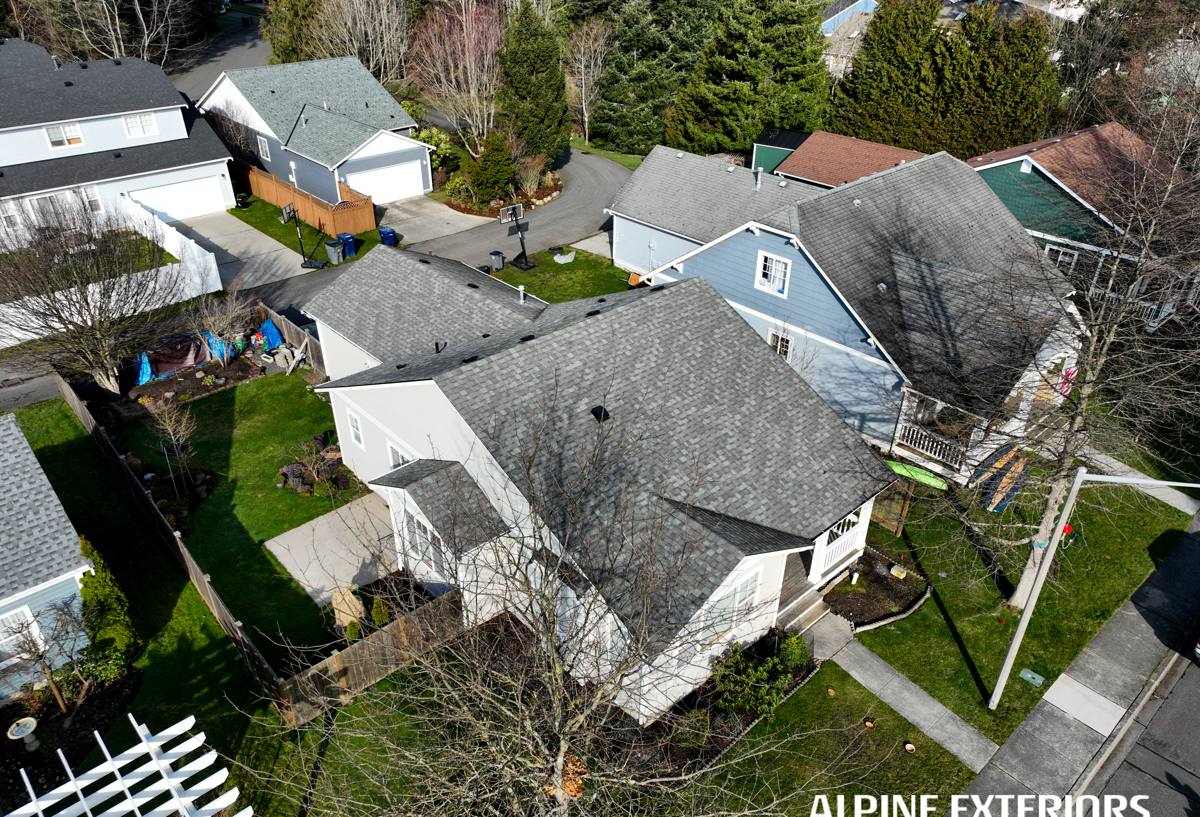
Common Roof Problems We Repair in Indian Rocks Beach
Wind Damage
Sustained coastal wind and hurricane-force gusts lift shingle edges, pry up ridge caps, and work tile loose over time — sometimes gradually, sometimes all at once during a single storm. Once a shingle or tile loses its seal, wind gets underneath it on the next blow and the damage spreads outward from that one weak point.
Wind-Driven Rain and Leaks
A lot of roof leaks on the barrier island aren't caused by rain falling straight down — they're caused by rain being driven sideways and upward under roof edges, around vent boots, and through flashing that's lost its seal. That's why leak repairs here often trace back to flashing and penetration points rather than the field of the roof itself.
UV and Heat Breakdown
Constant sun exposure dries out asphalt shingles and cracks pipe boot rubber and sealants years before they'd fail in a milder climate. This shows up as granule loss, brittle shingle edges, and hardened caulking around vents and skylights.
Salt Air Corrosion
Being this close to the Gulf means airborne salt settles on every exposed surface. Roofing nails, metal flashing, and drip edge corrode faster here than they do even a few miles inland, which is why fastener and flashing condition gets extra scrutiny on every repair we do in this area.
What a Correct Roof Repair Actually Involves
A proper repair starts with figuring out the actual source of the problem, not just patching where water is showing up inside the house. Water travels — a stain on a ceiling can trace back to a flashing failure several feet away. Skipping that diagnostic step is the most common reason repairs fail to hold.
Once the source is identified, a correct repair typically includes:
- Removing damaged shingles, tile, or roofing material back to sound decking or substrate — not just covering over the problem area
- Inspecting the underlayment and decking underneath for water damage, soft spots, or rot before closing anything back up
- Replacing or resealing flashing at any penetration point involved — vents, chimneys, skylights, wall-to-roof transitions
- Matching replacement material as closely as possible to the existing roof in profile, color, and fastening method
- Re-sealing and re-nailing to current wind-resistance standards for the area, not just however the original roof was installed
Any one of those steps skipped is usually where the next leak comes from.
Our Roof Repair Process
We keep this straightforward because homeowners deserve to know what's happening on their own roof:
- Inspection. We get on the roof (or use a drone where access is limited) and document the actual condition — not just the spot you called about, but anything nearby that's showing early wear.
- Honest assessment. We tell you plainly whether this is a repair situation or whether the roof is old enough or damaged enough that repair would just be a short-term patch on a bigger problem.
- Written scope and estimate. You get a clear description of exactly what work is being done, with materials specified, before anything starts.
- The repair itself. Tear-out of damaged material, deck inspection, flashing work, and reinstallation with materials matched to your existing roof.
- Cleanup and walkthrough. We clear debris and nails from the property and walk you through what was done.
Repair or Replace? Factors to Weigh
Not every roof problem needs a full replacement, and not every roof problem should be patched forever either. These are the factors that actually drive that decision:
| Factor | Leans Toward Repair | Leans Toward Replacement |
|---|---|---|
| Roof age | Under roughly 12-15 years for shingle roofs | Near or past the material's expected service life |
| Extent of damage | Isolated to one section or a few penetration points | Spread across multiple slopes or recurring in different spots |
| Decking condition | Solid, dry decking under the damaged area | Soft, rotted, or water-stained decking found during inspection |
| Storm history | Single isolated wind or debris event | Cumulative damage from repeated storm seasons |
| Insurance situation | Repair covers the documented damage adequately | Claim scope or roof condition supports full replacement |
When we're on your roof, we'll tell you honestly which column your situation falls into. There's no benefit to us talking a homeowner into a replacement they don't need, and no benefit to patching a roof that's genuinely at the end of its life.
Materials We Work With
Most Indian Rocks Beach homes we work on are asphalt shingle, with some tile and metal roofs along the beachfront and older streets. For repairs, our standard is to match what's already on the roof whenever a good match is available, since mismatched shingles or tile stand out and can affect resale appearance.
On underlayment and flashing, we favor materials built for sustained coastal exposure — synthetic underlayments and corrosion-resistant flashing hold up better against salt air than older-style materials, and that's a meaningful difference this close to the Gulf. Where a roof has reached the point that patching the same failure points repeatedly stops making financial sense, we'll say so directly rather than keep billing for short-term fixes.
Why a Local Seminole Crew Matters for Indian Rocks Beach
Working this stretch of Pinellas County regularly means we already know what tends to fail first on a barrier island roof, what the salt air does to fasteners over a few years, and how local wind exposure at this proximity to the Gulf differs from a roof a few miles inland. That's not something a crew driving in from outside the area picks up on the first visit.
It also means we're familiar with local permitting requirements and the wind mitigation standards that matter for insurance purposes in this part of Florida. A repair done to code, with the right documentation, protects you both structurally and on your next insurance renewal — an out-of-town crew unfamiliar with Pinellas County requirements can leave you with work that doesn't hold up to either standard.
Roof Maintenance Checklist for Barrier Island and Coastal Homes
Between repairs, a few habits go a long way toward catching problems before they become leaks:
- Walk the yard after any significant wind event and look for shingle or tile pieces on the ground
- Check attic spaces periodically for water stains, especially after heavy rain
- Keep gutters and downspouts clear so water isn't backing up under the roof edge
- Have flashing and sealant around vents and skylights inspected every couple of years — these fail well before the main roofing material does
- Rinse off heavy salt or debris buildup on the roof surface when it's safe to do so from the ground
- Schedule a professional inspection after any named storm that brought sustained high winds to the area
Permits, Wind Mitigation, and Insurance
Roof repair work in Pinellas County generally requires a permit once the scope goes beyond minor maintenance, and inspections confirm the work meets current wind-resistance requirements. We handle that process as part of the job rather than leaving it on the homeowner. If your repair is tied to storm damage, proper documentation and code-compliant work also matter for your wind mitigation inspection and insurance file — sloppy or undocumented repairs can create problems down the line even if the roof looks fine from the ground.
If you're dealing with a leak, storm damage, or a roof that's just showing its age out here on the coast, we're happy to take a look and give you a straight answer about what it actually needs. Fill out the form below for a free, no-pressure estimate.