 Seminole Siding
 Why Belleair Beach Roofs Wear Out Faster
Belleair Beach sits on a narrow barrier island, which means every roof here deals with conditions that inland Pinellas County homes simply don't face to the same degree. There's no tree line, no row of neighboring houses, and often no buffer at all between a roof and the open water. That exposure shows up as accelerated wear in a handful of predictable ways.
Salt-laden air corrodes exposed metal fasteners, flashing, and vent stacks well before their rated lifespan is up. Wind-driven rain finds its way under shingle tabs and around penetrations that would stay dry on a more sheltered inland roof. Year-round Florida UV bakes asphalt shingles and breaks down sealants faster than manufacturer warranties assume. And when a named storm or even a strong summer squall line rolls through, the sustained wind speeds on the island are typically higher than what a roof three or four miles inland experiences.
None of this means a roof on Belleair Beach is doomed to fail early. It means the roof has to be built and maintained with that exposure in mind from the start — the right materials, the right fastening pattern, and attention to details that get skipped on cheaper jobs.
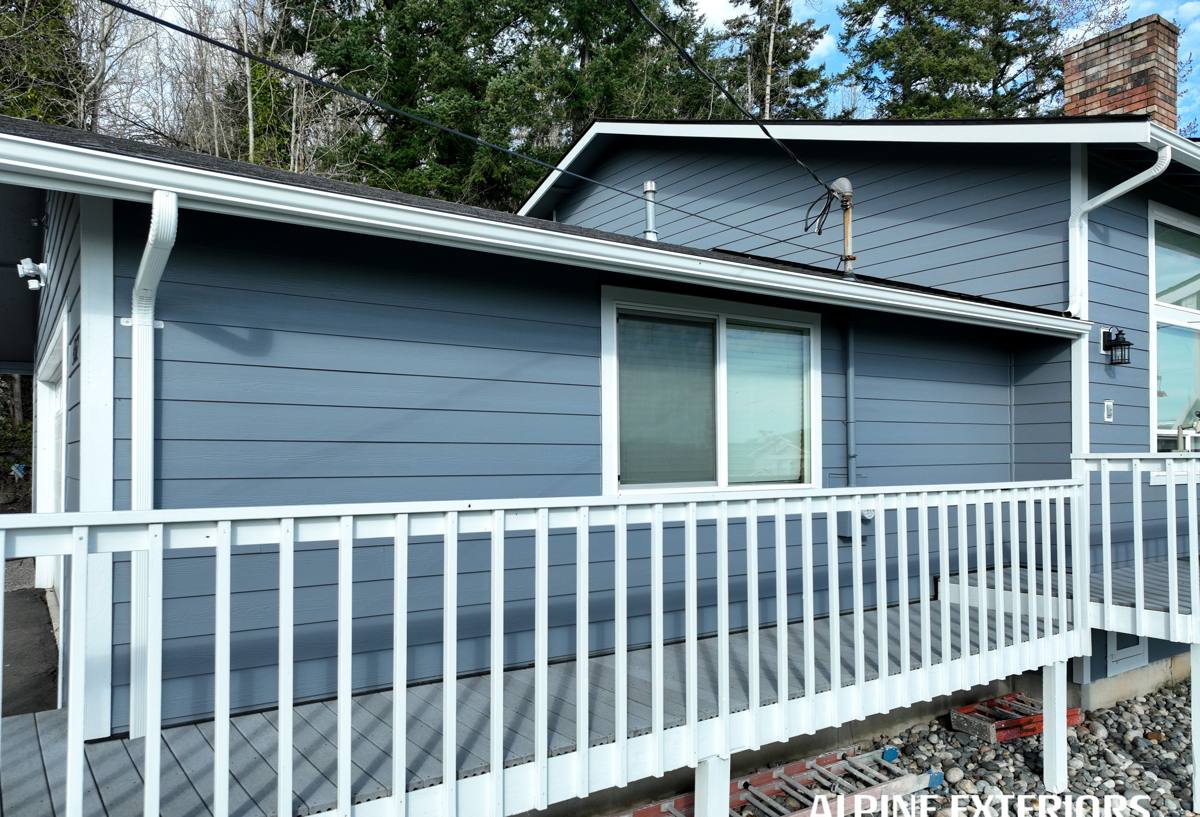
Signs a Roof Needs Replacement, Not Another Patch
Roof replacement is a bigger investment than a repair, and a reputable contractor should be honest about when a repair is genuinely still an option. On a barrier island roof, though, the calculus tips toward replacement sooner than it would inland, because damage tends to be more widespread by the time it becomes visible.
- Granule loss heavy enough that you can see bare asphalt on multiple slopes, not just one weathered patch
- Shingles that are cupping, curling, or cracking across a broad area rather than isolated spots
- Soft or spongy decking felt underfoot during an inspection, which points to moisture that's already reached the wood
- Rust streaking or corrosion around flashing, vents, and metal edge trim
- A roof approaching 15–20 years old on asphalt shingle, which is realistic near-coastal life expectancy even with good maintenance
- Recurring leaks in different spots after each storm season, rather than one consistent trouble area
If only one or two of these apply and the roof is otherwise sound, a targeted repair may still make sense. When several show up together, patching becomes a short-term fix that costs money without solving the underlying problem.
What a Correct Roof Replacement Actually Involves
Full Tear-Off, Not a Cover-Over
A second layer installed over old shingles hides problems instead of fixing them and traps heat and moisture against the new roofing. On a home this exposed to salt air and storms, that's a corner we don't cut. A proper replacement starts with stripping the roof down to bare decking.
Decking Inspection and Repair
With the old roofing off, the plywood or OSB decking underneath gets inspected board by board. Any wood that's delaminated, soft, or water-stained gets replaced before anything new goes down — installing new roofing over compromised decking just sets up the next failure.
Underlayment and Water Barrier
A synthetic underlayment or self-adhering water-and-ice-shield product goes down next, with extra attention at valleys, eaves, and any low-slope sections where wind-driven rain is most likely to push moisture backward under the shingle line.
Flashing at Every Penetration
Chimneys, plumbing vents, skylights, and wall-to-roof transitions are where the majority of leaks start on any roof, and salt air accelerates the corrosion of cheap flashing metal. New flashing, properly lapped and sealed, goes in at every one of these points rather than reusing what's already there.
Wind-Rated Fastening
Florida's building code requires a specific nailing pattern and fastener count based on the local wind speed zone, and coastal Pinellas County properties fall into higher wind-speed design categories than inland areas. That means more fasteners per shingle, placed correctly, not just to code minimums but installed the way the manufacturer's high-wind warranty actually requires.
Ventilation
A hot, poorly ventilated attic shortens the life of any roofing material and can void manufacturer warranties. Ridge vents, soffit intake, and attic airflow get evaluated and corrected as part of the job, not treated as an afterthought.
Material Options for a Coastal Roof
There's no single "best" material for every home — it depends on budget, the home's structure, HOA or architectural requirements common in some Belleair Beach streets, and how long you plan to own the property. Here's an honest comparison of the main options we install.
| Material | Typical Lifespan (Coastal) | Wind Performance | Maintenance |
|---|---|---|---|
| Architectural asphalt shingle | 15–20 years | Good with proper high-wind nailing pattern | Low; periodic inspection |
| Standing seam metal | 30–40+ years | Excellent; fewer exposed fasteners | Very low; occasional coating check |
| Exposed-fastener metal panel | 20–30 years | Good, but fastener seals need monitoring | Moderate; re-seal fasteners over time |
| Concrete or clay tile | 30–50 years (underlayment shorter) | Very good when properly fastened | Moderate; underlayment often needs replacement mid-life |
Asphalt shingle remains the most common choice for cost reasons and still performs well near the coast when installed with the correct underlayment and fastening. Metal roofing costs more upfront but often makes sense for homeowners planning to stay long-term, since it shrugs off salt air and wind better than any other mainstream option. Tile looks great and holds up structurally, but the underlayment beneath it is doing the actual waterproofing work and typically needs attention before the tile itself wears out — that's a maintenance reality worth planning for, not a flaw specific to any one product.
Permits, Wind Mitigation, and Insurance
Every roof replacement in Pinellas County requires a permit, and inspections happen at multiple stages of the job — not just at the end. We pull the permit, schedule the inspections, and handle that paperwork as part of the job rather than leaving it to the homeowner.
A new roof also qualifies most homes for a fresh wind mitigation inspection, which can lower windstorm insurance premiums significantly. Insurers give credit for things like a hip roof shape, secondary water barrier, and the specific roof-to-wall connection method used — all details worth discussing before the job starts if lowering your premium is a priority. We can point you toward what documentation to request, though the wind mitigation inspection itself is done by a licensed inspector, not the roofing contractor.
Our Process, Start to Finish
- On-site inspection — we walk the roof, check the attic, and give you a straight answer on repair versus replacement.
- Written estimate — material options, scope of work, and pricing laid out clearly, no vague allowances.
- Permit and scheduling — we pull the permit and give you a realistic timeline, including weather contingency.
- Tear-off and decking inspection — old roofing removed, decking checked and repaired as needed.
- Underlayment, flashing, and installation — installed to the wind-speed code requirements for this zip code.
- Cleanup and magnetic nail sweep — the property, driveway, and yard cleared of debris and stray fasteners.
- Final inspection and walkthrough — county inspection passed, and we walk the finished roof with you.
What to Look for When Hiring a Roofer on Belleair Beach
The roofing trade attracts a lot of storm-chasing crews who show up after a bad hurricane season and are gone before the first warranty claim. On a small barrier-island community, hiring locally isn't just a preference — it affects whether anyone is around to answer the phone if something needs attention two years down the road.
- Verify the contractor is licensed with the state and carries current general liability and workers' comp insurance
- Ask how many roofs they've completed specifically in coastal Pinellas County, not just "Florida" broadly
- Get the fastening pattern and wind-speed rating in writing, not just a verbal assurance
- Confirm who pulls the permit and schedules inspections — it should be the contractor, not you
- Ask what happens if decking damage is found once tear-off starts, and how that's priced
- Check that the written estimate specifies underlayment type and flashing scope, not just "shingles and labor"
A crew that already works this island knows which streets have tighter access for material delivery, understands the wind exposure difference between a beachfront lot and one set back a block, and isn't guessing at the permitting requirements for the first time on your roof.
Caring for a New Roof in a Salt-Air Environment
A correctly installed roof still benefits from basic upkeep, especially this close to the water. A biannual visual check after storm season and before hurricane season starts catches lifted shingles or corroding flashing while it's still a small fix. Keeping gutters clear prevents water from backing up under the roof edge. And after any major wind event, a quick look from the ground — or a call to have it checked professionally — is worth the ten minutes it takes.
Roof replacement is one of the larger investments a homeowner makes, and on a barrier island property it's also one of the most important for protecting everything underneath it. If you'd like a straight, no-pressure look at what your roof needs, we're happy to come take a look and walk you through the options — just fill out the form below for a free estimate.