 Seminole Siding
 Why Roofs Age Faster on a Barrier Island Like Indian Shores
Indian Shores sits right on the Gulf, and that location is exactly what makes it a beautiful place to live — and exactly what shortens the life of a roof. A roof three miles inland in Pinellas County ages differently than one a few hundred yards from open water. Salt-laden air corrodes exposed metal — nail heads, flashing, vent stacks, and fasteners — years ahead of schedule. Constant onshore wind keeps shingles and tile flexing at their edges. Intense, near year-round Florida UV breaks down asphalt oils and dries out sealants faster than manufacturers' warranty tables assume. And wind-driven rain during summer storms and hurricane season doesn't just fall on a roof, it gets pushed sideways and up under edges, which is where most leaks actually start.
None of this means a roof on Indian Shores is doomed to fail early. It means the roofing system, the installation details, and the materials have to be chosen with this specific exposure in mind — not treated the same as a re-roof on a home fifteen miles inland.
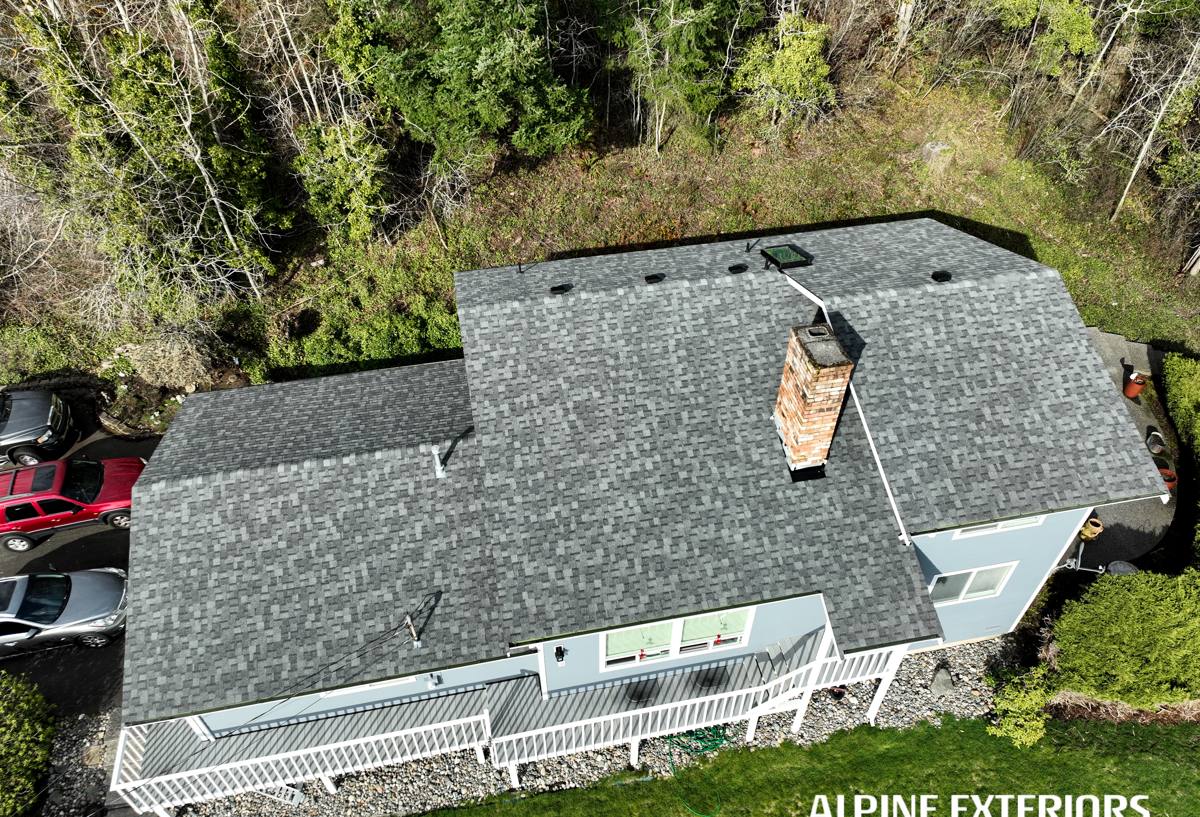
Signs an Indian Shores Roof Needs Replacement, Not Just Repair
Repairs make sense when the damage is localized and the roof still has structural life left. Replacement becomes the honest recommendation when the underlying system — decking, underlayment, and flashing — is worn out even if the surface still looks okay from the street. On a coastal roof, that line gets crossed sooner than most homeowners expect.
- Granule loss heavy enough that you're finding shingle grit in gutters or at downspout outlets
- Curling, cracking, or lifted shingle edges, especially on the sides facing the Gulf
- Rust staining or visible corrosion around flashing, vent boots, or exposed fasteners
- Soft spots, sagging, or discoloration on interior ceilings after wind-driven rain events
- A roof approaching or past 15–20 years old (shingle) or showing widespread wear on tile/metal fastening points
- Multiple repair calls in the last couple of years for leaks in different spots, not the same one
- Visible daylight or gaps at the roof deck when accessed from the attic
If more than one or two of these apply, a full tear-off usually costs less over time than another round of patchwork, because it lets us fix what's underneath instead of covering it back up.
Choosing a Roofing System for a Gulf-Front Home
There isn't one "best" roof for every Indian Shores property — it depends on the home's structure, your budget, how long you plan to own it, and whether it's a single-family house or part of a condominium building with shared roof responsibility. What matters most is matching wind rating and fastening method to the exposure the home actually gets.
| Roofing Material | Wind & Salt Air Performance | Typical Lifespan Here | Maintenance Notes |
|---|---|---|---|
| Architectural asphalt shingle (high wind-rated) | Good, when installed with enhanced nailing and sealed edges | 15–20 years | Most affordable upfront; inspect after major storms |
| Standing seam metal | Excellent wind uplift resistance; concealed fasteners resist corrosion better | 30–40+ years | Higher upfront cost; coastal-rated finish recommended |
| Concrete or clay tile | Very good wind performance when properly fastened; heavy | 30–50 years | Requires structural check; individual tiles can crack from debris |
| Exposed-fastener metal panel | Fair; fastener heads are exposed to salt air and can corrode/loosen over time | 20–25 years | Needs periodic fastener inspection near the coast |
We're generally cautious about exposed-fastener metal roofing this close to the water — not because the material is bad, but because every screw penetration is a future maintenance point, and salt air accelerates fastener wear faster than most homeowners want to deal with. Standing seam, with its concealed clip fastening, tends to be the better long-term fit for direct Gulf exposure when the budget allows it.
What a Correct Roof Replacement Actually Involves
A roof replacement is more than stripping off old material and nailing down new. On a barrier island home, the parts you never see are what determine whether the roof holds up through the next decade of storms.
Deck Inspection and Repair
Once the old roofing is off, the plywood or OSB deck underneath gets inspected board by board. Any wood that's soft, delaminated, or water-stained gets replaced before anything new goes down — installing new roofing over a compromised deck just hides the problem and weakens the fastening the wind rating depends on.
Underlayment and a Sealed Deck
For coastal homes we install a self-adhering, waterproof underlayment (sometimes called a secondary water barrier) rather than the lighter felt still used in some inland installs. This matters because if wind ever lifts or damages the outer roofing during a storm, a sealed deck is what keeps water out of the house until repairs happen — it's the difference between a roof problem and a ceiling problem.
Flashing, Fastening, and Ventilation
Flashing around chimneys, walls, skylights, and roof-to-wall transitions is one of the top leak sources on any home, and salt air corrodes cheap or thin flashing faster than most people expect. We use corrosion-resistant flashing and fastening spaced to meet current Florida Building Code wind requirements for this region, not the minimum standard. Ventilation matters too — a roof that can't breathe traps heat and moisture, which shortens shingle life and can lead to deck rot, especially in Florida's humidity.
Our Roof Replacement Process
- Inspection and estimate — We walk the roof, check the attic if accessible, and give you an honest assessment of repair vs. replacement, in writing.
- Material selection — We go over wind ratings, warranty structure, and cost trade-offs so you're choosing based on facts, not sales pressure.
- Permitting — We pull the required roofing permit through the local building department before work starts, and schedule inspections as required.
- Tear-off and deck inspection — Old roofing comes off completely, and any deck damage is documented and repaired.
- Underlayment, flashing, and installation — New roofing goes on to manufacturer and code specifications for wind uplift resistance.
- Final inspection and cleanup — We walk the finished roof with you, handle the permit sign-off, and do a magnetic nail sweep of the property.
Permits, Insurance, and HOA Considerations Specific to Indian Shores
Roof replacement work here requires a permit through the local building department, and inspections along the way — that's not optional and it protects you, since an unpermitted roof can create real problems at resale or with an insurance claim later. Because Indian Shores is a small barrier island community with a mix of single-family homes and condominium buildings, roof work sometimes involves an extra layer: many properties along this stretch of the coast are part of a homeowners or condo association, which may have its own approval process for roofing material, color, or contractor requirements before permitting even starts. We factor that into scheduling rather than treating it as a surprise partway through the job.
It's also worth getting a wind mitigation inspection done after replacement. A properly documented new roof — with the fastening method, deck attachment, and roof-to-wall connections recorded — can qualify a home for meaningful windstorm insurance discounts in Pinellas County, which is worth pursuing given how much of a homeowner's premium here is tied to roof age and wind mitigation features.
What Affects the Cost of a Roof Replacement
Every roof is priced based on its own specifics, but the same handful of factors drive most of the variation we see on Indian Shores homes:
- Roof size and pitch (steeper roofs take longer and require more safety setup)
- Material chosen — asphalt shingle, tile, and standing seam metal are priced very differently
- Number of roof planes, valleys, and penetrations (chimneys, skylights, vents)
- Condition of the deck once old roofing is removed — hidden rot adds material and labor
- Whether the structure needs additional bracing or fastening upgrades to meet current wind code
- Access — condo and multi-story buildings sometimes require different equipment or coordination
- Removal and disposal of the old roofing material
We'd rather walk your roof and give you real numbers than throw out a broad range that doesn't mean much for your specific home. What we won't do is quote a number and then find "surprises" once the tear-off starts — deck condition gets checked and discussed with you before we move forward with repairs beyond the original scope.
Why Local, Barrier Island Roofing Experience Matters
A roofing crew that mostly works inland Pinellas County jobs isn't wrong for the trade — but they may not be used to building in the wind and salt exposure Indian Shores homes actually face day to day. Fastening patterns, flashing material choices, and underlayment decisions that are perfectly fine a few miles from the coast can be undersized for a home that takes direct Gulf wind and salt spray. Working in Seminole and the surrounding beach communities means we're regularly on roofs dealing with exactly this exposure, and we build accordingly rather than applying a one-size-fits-all approach.
We're also familiar with the reroof permitting process for this part of Pinellas County and the kind of documentation insurance carriers want to see for wind mitigation credits — both of which move faster when the contractor has done it before, in this area, on homes like yours.
Get an Honest Look at Your Roof
If your Indian Shores roof is showing its age, or you just want a straight answer on whether repair or replacement makes sense, we're happy to take a look. Fill out the form below for a free, no-pressure estimate — no hard sell, just an honest assessment from a crew that knows what Gulf-front roofs are up against.