 Seminole Siding
 Roof Replacement Built for Ridgecrest, Not Just "Florida"
Ridgecrest homes sit inland enough from the Gulf to feel a little removed from beach weather, but close enough to Seminole's coastal air that salt exposure, humidity, and storm winds still shape how a roof ages here. A roof replacement in this neighborhood isn't the same job as one twenty miles inland or one on a barrier island — it's somewhere in between, and getting that balance right is what separates a roof that holds up for its full service life from one that starts giving you trouble in year eight or nine.
We work Ridgecrest and the surrounding Seminole streets regularly, which means we already know the housing stock, the typical roof pitches, and the kinds of problems that show up on homes built in this part of Pinellas County. This page covers what that actually means for a roof replacement here — not generic roofing advice, but what applies to your street.
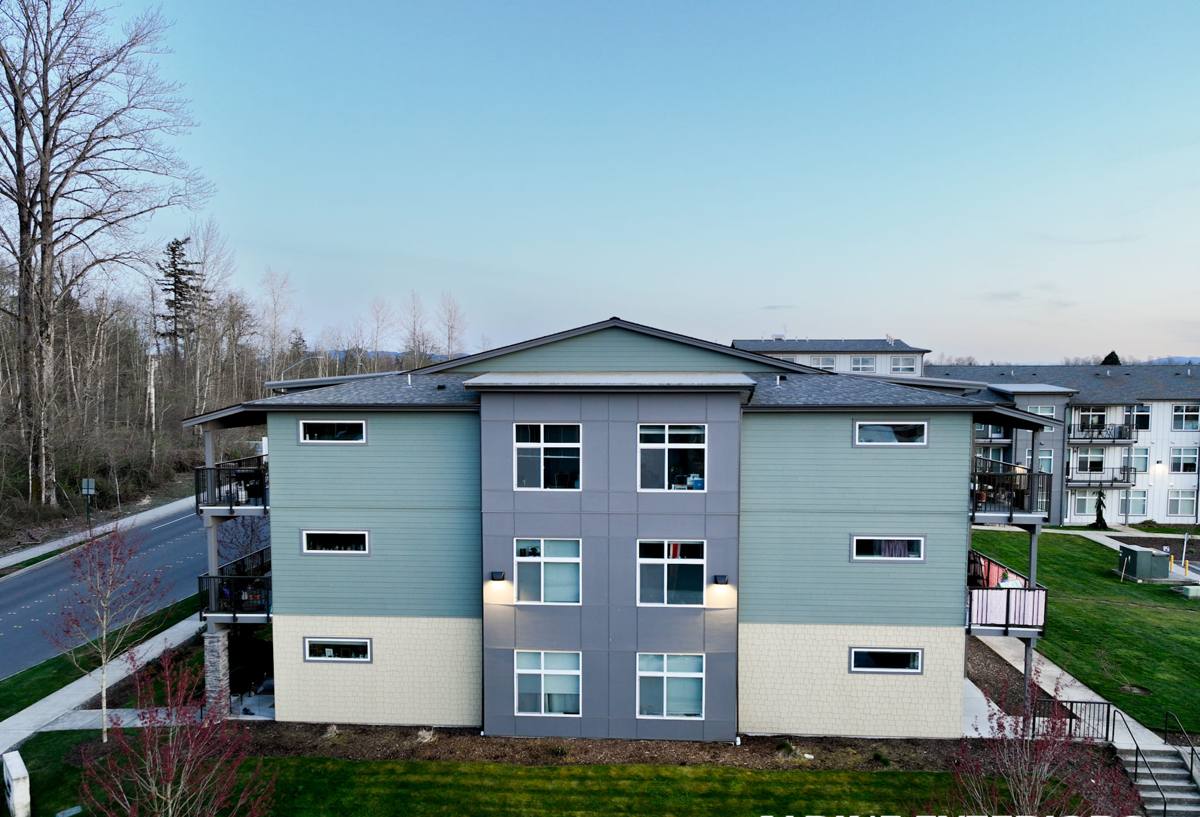
What Ridgecrest's Climate Actually Does to a Roof
Seminole doesn't get hit by every storm that crosses the Gulf, but it gets enough wind, rain, and sun to wear down a roofing system steadily over time. A few specific stresses matter most for homes in this area:
- Hurricane-force wind gusts — even a roof that isn't in a storm's direct path can take sustained gusts strong enough to lift poorly fastened shingles or work loose flashing over several seasons of near-misses.
- Wind-driven rain — rain that comes in sideways during storms finds any weak point in underlayment, flashing, or shingle seal much faster than a straight-down rain ever would.
- Intense, near-daily UV exposure — Central Florida sun breaks down asphalt shingle oils and granule adhesion faster than in most of the country, which is why roofs here often show wear before their rated lifespan suggests they should.
- Salt-laden air — Seminole isn't oceanfront, but Gulf-influenced air still carries enough salt to accelerate corrosion on exposed metal fasteners, flashing, and vents if they aren't rated for it.
None of these on their own is unusual for Florida. What matters is that they compound — a roof here is dealing with UV breakdown, wind stress, and corrosion pressure all at once, year-round, not just during hurricane season.
Signs a Ridgecrest Roof Is Due for Replacement
Repairs make sense for isolated problems. Replacement becomes the honest recommendation when the damage is spread across the roof or when the underlying materials — not just the surface — have started to fail. Common signs we look for on homes in this area include:
- Shingles that are cupping, curling, or losing granules across large sections rather than one spot
- Soft spots or sagging in the roof deck, often found near valleys or where flashing has failed
- Repeated leaks in different locations after storms, suggesting the underlayment is no longer doing its job
- Rusted or lifted flashing around chimneys, vents, and roof-to-wall transitions
- A roof approaching or past 18-20 years old for asphalt shingle, or showing wear well ahead of its expected lifespan due to sun exposure
- Visible daylight through the attic decking, or consistently higher attic temperatures than neighboring homes report
If you're only seeing one or two of these, a repair may still be the right call — we'll tell you honestly if that's the case rather than pushing a full replacement you don't need yet.
What a Correct Roof Replacement Involves
It Starts Below the Shingles
The shingles get the attention, but the layers underneath are what actually keep water out during a wind-driven rain event. A correct replacement includes:
- Deck inspection and repair — any soft, rotted, or delaminated plywood gets replaced before anything new goes down. Roofing over a compromised deck just hides the problem.
- Synthetic or felt underlayment — installed as a continuous water barrier, with extra attention at valleys, penetrations, and eaves where wind-driven rain is most likely to find a gap.
- Ice-and-water style self-adhered membrane at vulnerable points — even without ice as a concern here, this membrane is valuable at valleys and low-slope transitions where standing water and wind-blown rain concentrate.
- Drip edge and flashing — corrosion-resistant materials at every roof-to-wall, chimney, and vent transition, since these are the first places salt-air corrosion shows up.
Fastening and Wind Rating Matter More Here Than People Realize
Pinellas County's building code requirements exist specifically because of storm wind exposure, and Seminole is no exception. Nail pattern, nail type, and shingle wind rating all affect how a roof performs in gusts — this isn't a place to cut corners to save a small amount on labor or materials. We install to the wind-resistance specifications the shingle manufacturer requires to honor its warranty, not just to pass a minimum inspection.
Roofing Material Options for Ridgecrest Homes
Most homes in this neighborhood are suited to a handful of roofing systems, each with real trade-offs worth understanding before you decide:
| Material | Typical Lifespan | How It Handles Local Conditions |
|---|---|---|
| Architectural asphalt shingle | 18-25 years | Good wind rating options, cost-effective, but UV exposure and heat here tend to shorten lifespan toward the lower end of that range without regular maintenance |
| 3-tab asphalt shingle | 12-18 years | Lower upfront cost, but thinner profile and lower wind rating make it a harder sell given this area's storm exposure |
| Standing seam metal | 40-60 years | Excellent wind and rain performance, reflects UV well, but requires corrosion-rated fasteners and coatings to hold up against salt air long-term |
| Tile (concrete or clay) | 40-50+ years | Very durable against UV and wind uplift when properly fastened, but the underlayment beneath it still needs periodic attention since that's usually where leaks originate |
We'll walk through which of these fits your home, your roof pitch, and your budget honestly — including telling you if a particular product isn't a good match for your specific roof structure, rather than steering everyone toward the same recommendation.
Our Roof Replacement Process
- On-site inspection — we walk the roof and attic, check the deck condition, and identify any storm damage, soft spots, or ventilation issues before quoting anything.
- Written estimate — a clear breakdown of materials, scope, and cost, so you know exactly what you're paying for and why.
- Material selection — we go over the options that make sense for your roof, including wind rating and warranty terms.
- Tear-off and deck inspection — old roofing comes off completely so the deck can be properly assessed and repaired where needed.
- Underlayment and flashing installation — the waterproofing layer goes in correctly, especially at valleys and penetrations.
- Final installation — shingles, metal, or tile installed to manufacturer and code wind-fastening specifications.
- Cleanup and final walkthrough — magnetic sweep for debris, and a walkthrough so you can see the finished work and ask questions.
Why a Crew That Already Works Ridgecrest Matters
Roofing crews unfamiliar with this specific part of Seminole sometimes underestimate how much salt air and UV exposure affect fastener and flashing choices, or default to whatever spec they'd use further inland. A crew that regularly works Ridgecrest and the neighborhoods around it knows the local permitting process with Pinellas County, understands which roof styles and pitches are common on these homes, and has already seen how different materials hold up on streets nearby — not in a lab, but on real roofs a few blocks away.
That familiarity also means fewer surprises during the job. We know what to expect from deck condition on homes of a certain age in this area, and we plan the work accordingly instead of discovering problems mid-project that stall the timeline.
Questions to Ask Before Hiring for a Roof Replacement
Whoever you choose to replace your roof, these are worth asking directly:
- Are you licensed and insured to work in Pinellas County, and can you provide proof?
- What wind rating will the installed system carry, and does that match code requirements for this area?
- What happens if you find deck damage once the old roofing is removed — how is that priced?
- What warranty covers the workmanship, separate from the manufacturer's material warranty?
- Will you provide a written, itemized estimate before work begins?
A contractor who answers these clearly and without hesitation is one worth trusting with the job.
Get a Straight Answer About Your Roof
If your Ridgecrest roof is showing its age, took storm damage, or you just want an honest read on how much life it has left, we're happy to take a look. There's no pressure and no obligation — just a clear inspection and a straight answer about whether repair or replacement makes sense for your home. Use the form below to request a free estimate.