 Seminole Siding
 Siding Built for a Barrier Island, Not Just a Florida Zip Code
Indian Shores sits on a narrow strip of barrier island in Pinellas County, wedged between the Gulf of Mexico and the Intracoastal Waterway, just a few minutes from Seminole. That location is what makes the neighborhood beautiful — and what makes it one of the harder places on the Florida coast to keep siding looking and performing the way it should. Homes here take a combined hit that inland Seminole properties don't see to the same degree: constant salt-laden air off the Gulf, wind-driven rain that gets pushed sideways into walls, hurricane-force gusts during storm season, and UV exposure that runs strong nearly every month of the year. Siding that isn't specifically suited to that combination doesn't just look tired sooner — it can start failing from the inside before a homeowner ever notices a problem on the surface.
This page is about one job, in one place: siding installation for Indian Shores homes. We install exclusively James Hardie fiber cement siding, and we explain below what that means in practical terms for a barrier island house — what the climate actually does to exterior walls, what a correct installation has to account for, and why local, on-the-water experience matters as much as the product itself.
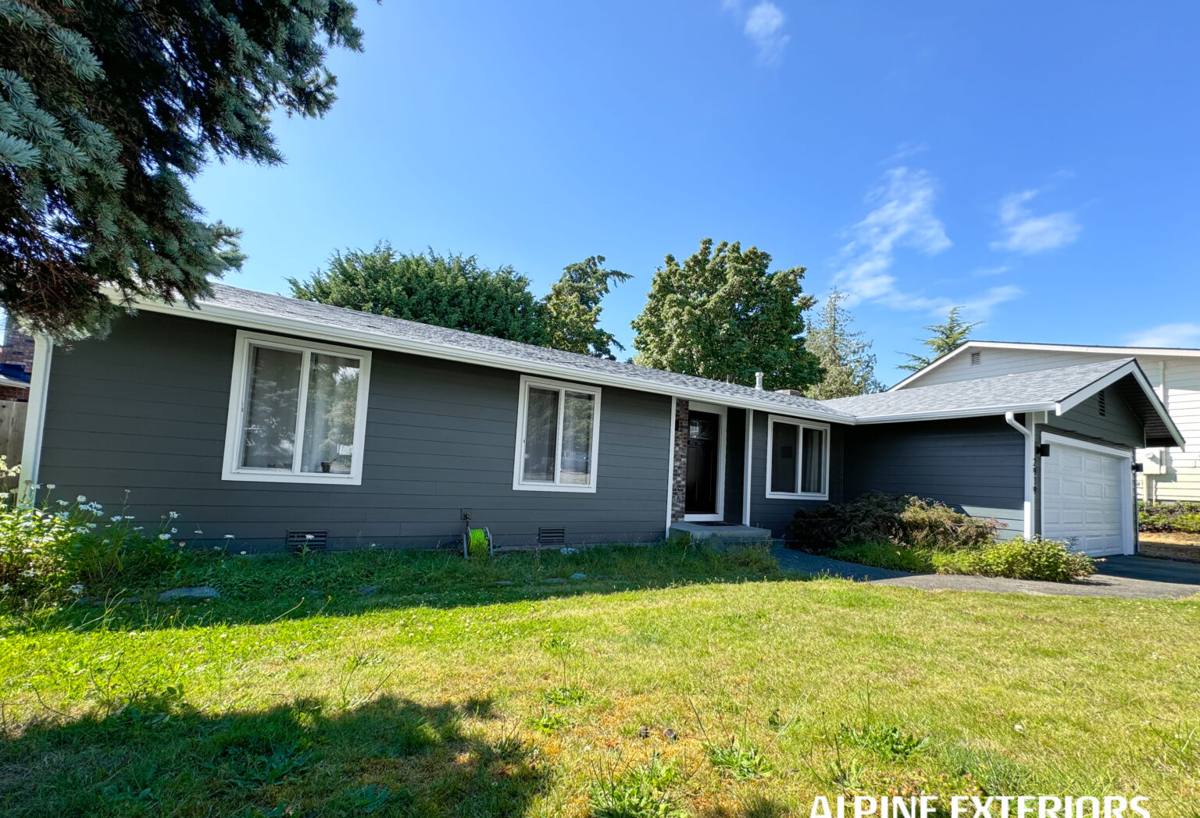
What the Coastal Environment Actually Does to Siding
Salt Air and Corrosion
Airborne salt from the Gulf doesn't just sit on the surface of a wall — it works into seams, fastener heads, and any exposed edge of a material that isn't built to handle it. Over time, salt exposure accelerates corrosion of metal components, breaks down adhesives and coatings, and can cause certain siding materials to swell, delaminate, or lose their finish years ahead of schedule. Homes closer to the water get this exposure daily, not just during storms.
Wind-Driven Rain and Moisture Intrusion
On a barrier island, rain rarely falls straight down. Gulf winds push it sideways into exterior walls, forcing water into any gap, seam, or fastener hole that isn't properly sealed and flashed. Materials that absorb moisture or swell when wet are especially vulnerable here — once water gets behind the siding, it can sit against the wall assembly and cause rot, mold, or structural damage long before it's visible from the outside.
Year-Round UV Exposure
Florida's sun doesn't take a season off. Constant UV exposure fades color, dries out and cracks caulking and sealants, and breaks down lower-quality coatings faster than most homeowners expect. On a coastal property, that UV load is compounded by reflected light and heat off open water and sand, which pushes surface temperatures on south- and west-facing walls even higher.
Wind Load During Storm Season
Indian Shores is built to modern Florida wind codes, and siding on a barrier island home needs to hold up to sustained hurricane-force wind events, not just the occasional strong gust. That means fastening patterns, panel selection, and installation technique all have to be treated as structural details, not just cosmetic ones.
What This Combination Means for a Homeowner's Siding Choice
None of these stresses are unique to Indian Shores by themselves — plenty of Gulf Coast towns deal with salt air, or heat, or wind. What sets a barrier island property apart is that a home here deals with all four at once, continuously, for as long as it stands. That's the standard we install to, and it's why we don't treat every siding product as interchangeable.
| Climate Stress | What Weak Siding Does | What Correctly Installed Hardie Siding Does |
|---|---|---|
| Salt air | Corrodes fasteners, degrades coatings and adhesives over time | Fiber cement core resists salt-driven deterioration; factory finish is engineered to hold up longer |
| Wind-driven rain | Absorbs or traps water at seams and fastener points | Installed with proper flashing, gapping, and sealant details to shed water at every joint |
| UV exposure | Fades, chalks, or becomes brittle within a few seasons | ColorPlus factory-baked finish is formulated to resist fading and cracking |
| High wind events | Panels can loosen, crack, or blow off if under-fastened | Fastened to manufacturer wind-load specs appropriate for coastal Pinellas County |
Why This Company Installs Only James Hardie Fiber Cement
We get asked why we don't offer vinyl, LP SmartSide, or other engineered wood or fiber cement alternatives. The honest answer is that after years of installing and repairing siding on Gulf Coast homes, we standardized on one product because it performs consistently in exactly the conditions Indian Shores throws at it.
Non-Combustible Core
James Hardie siding is fiber cement — a mix of cement, sand, and cellulose fiber — which means it's non-combustible. That's a meaningful difference from vinyl siding, which can soften, warp, or melt under heat, and from wood-based products, which carry inherent fire risk.
ColorPlus Factory Finish
Rather than relying on a job-site paint job, Hardie's ColorPlus Technology bakes color onto the board in a controlled factory process, in multiple coats, before it ever reaches a house. That finish is built to resist the fading and chalking that constant Florida UV causes in field-applied paint, and it holds a more consistent, uniform appearance over time.
HZ10 Climate-Engineered Formulation
James Hardie manufactures its products in different formulations for different climate zones through its HardieZone system. Coastal Florida falls under the HZ10 designation, engineered specifically for high-humidity, high-UV, storm-prone regions like the Gulf Coast — as opposed to the HZ5 formulation used in colder, drier climates. Installing the zone-correct product isn't a marketing detail; it's part of why the siding performs the way it's supposed to here.
A Warranty That Reflects Confidence in the Product
James Hardie backs its siding with a strong, transferable limited warranty — a meaningful benefit for coastal homeowners, since it protects the investment even if the home changes hands. That kind of warranty structure only makes sense when a manufacturer has real confidence in how the product holds up over decades, not just in a showroom.
What a Correct Installation Actually Involves
Fiber cement siding is only as good as the installation behind it. A rushed or generic install can undercut even the best product, especially on a barrier island home taking on salt, wind, and rain every day. Here's what we treat as non-negotiable on every Indian Shores project.
Substrate and Moisture Barrier Prep
Before any siding goes up, the wall sheathing gets inspected for existing moisture damage, and a code-compliant weather-resistant barrier is installed. On a coastal home, skipping or shortcutting this step is one of the most common causes of hidden rot down the line.
Proper Gapping, Fastening, and Flashing
Hardie panels and lap siding require specific gapping at joints and penetrations to allow for expansion and drainage, correct fastener type and spacing to meet wind-load requirements, and flashing at every window, door, and roofline transition to direct water away from the wall assembly. Getting these details right is what actually keeps wind-driven rain from becoming an interior problem.
Trim, Caulking, and Sealant Selection
We use sealants and caulking rated for coastal UV and moisture exposure, not generic hardware-store products that dry out and crack within a couple of years in this climate.
Manufacturer-Specified Installation Standards
James Hardie publishes detailed installation guidelines for coastal and high-wind zones, and following them to the letter is what keeps the manufacturer's warranty intact. An installer who doesn't know or doesn't follow those specs can void coverage before the siding even sees its first storm season.
Our Process, Start to Finish
- Free on-site estimate — we walk the home, check existing siding and substrate condition, and talk through what the property specifically needs.
- Product and color selection — choosing the right Hardie profile and ColorPlus finish for the home's style and the coastal environment.
- Substrate inspection and prep — addressing any rot, moisture damage, or sheathing issues before new siding goes up.
- Weather barrier and flashing installation — the unglamorous work that determines whether the job holds up in year ten, not just year one.
- Siding installation to manufacturer and wind-load specification — correct fastening, gapping, and joint treatment throughout.
- Final trim, caulking, and cleanup — finishing details sealed with coastal-rated materials.
- Walkthrough — reviewing the finished job with the homeowner before we consider it done.
Why a Crew That Already Works Indian Shores Matters
Siding installation on a barrier island isn't quite the same job as siding installation a few miles inland in Seminole. A crew that regularly works this stretch of Pinellas County coast already understands how much more aggressively salt air and wind-driven rain behave this close to the Gulf, which flashing and sealant details actually hold up under that exposure, and how local wind and building code requirements apply to homes in this area. That familiarity shows up in the details — the ones that don't get noticed until they're done wrong. We'd rather get them right the first time.
Caring for Hardie Siding in a Coastal Environment
James Hardie siding is low-maintenance compared to most alternatives, but "low-maintenance" isn't "no-maintenance," especially this close to the water. A little routine attention goes a long way toward protecting the investment.
- Rinse siding periodically with a garden hose to clear off accumulated salt residue, especially on Gulf-facing walls.
- Inspect caulking around windows, doors, and trim annually and reseal if it's cracked or pulling away.
- After major storms, walk the exterior and check for loose panels, damaged trim, or exposed fasteners.
- Keep landscaping and sprinklers from directing constant moisture or salt spray directly at siding.
- Avoid pressure washing at high pressure or close range, which can force water behind panels or damage the finish.
What Affects the Cost of a Siding Installation Here
Every home is different, and we won't quote a number without seeing the property, but these are the main factors that move the price on an Indian Shores job.
| Factor | Why It Matters |
|---|---|
| Home size and wall complexity | More square footage, corners, and architectural detail mean more material and labor |
| Existing siding removal and substrate condition | Rot or moisture damage found underneath old siding has to be addressed before new siding goes on |
| Hardie product line and profile chosen | Lap siding, panel siding, and trim options carry different material costs |
| Color and finish selection | Custom or premium ColorPlus finishes can affect material pricing |
| Access and site conditions | Elevated coastal homes or tight lots can affect labor time and equipment needs |
If you're weighing siding options for a home in Indian Shores, we're happy to take a look and give you a clear, honest estimate — no pressure, no hard sell, just a straight assessment of what your home needs and what it would take to do the job right. The form below is the easiest way to get that conversation started.