 Seminole Siding
 Why Siding Installation Is Different in Pinellas Park
Pinellas Park sits inland from the Gulf but still lives inside Pinellas County's coastal weather system — which means the exterior of a home here works harder than the exterior of a home almost anywhere else in the country. Between hurricane-season wind loads, wind-driven rain that gets pushed sideways into wall assemblies, months of intense UV exposure, and a steady dose of salt-laden air moving inland off Tampa Bay and the Gulf, siding in this area is under constant mechanical and chemical stress. A siding job that would hold up fine in a drier, calmer climate can fail early here if it wasn't designed and installed with these specific conditions in mind.
That's the lens we use for every Pinellas Park installation: not "what siding looks good going up," but "what siding and installation method will still be doing its job in fifteen or twenty years, after dozens of storms, thousands of hours of UV exposure, and constant humidity cycling."
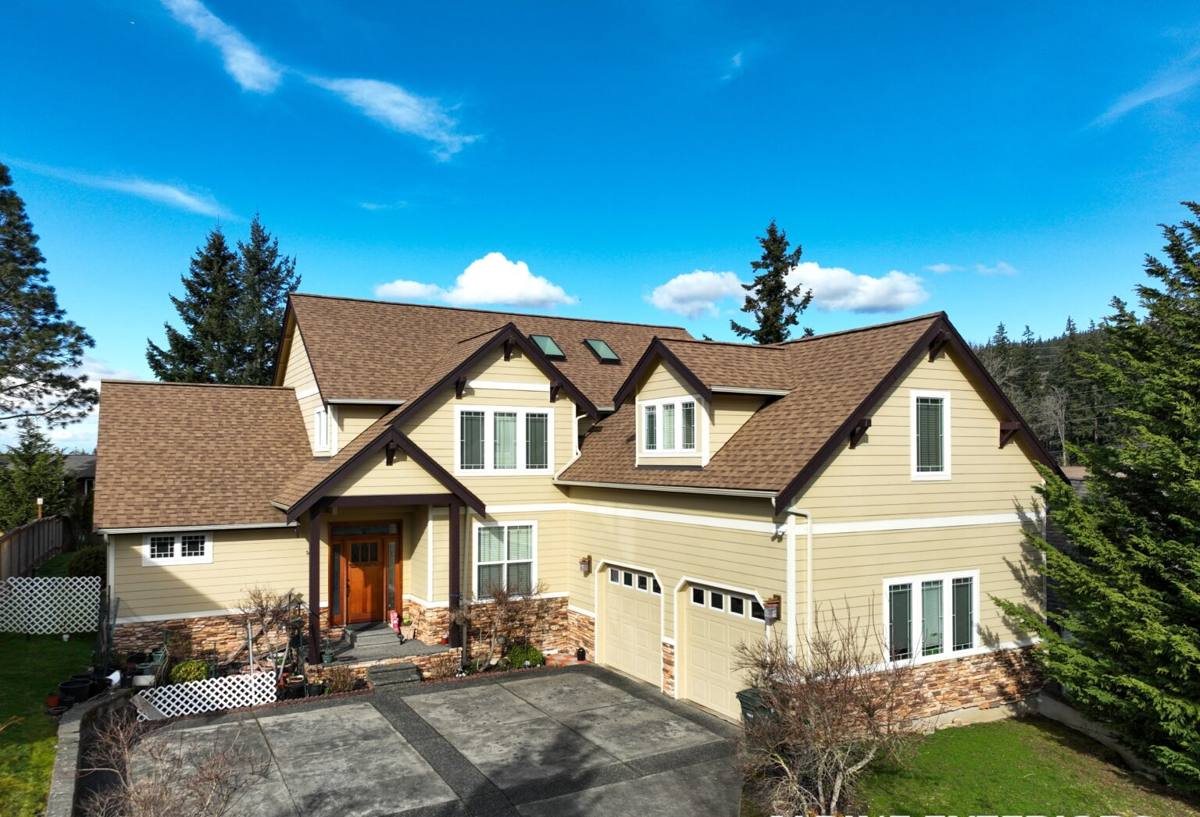
What Local Homes Actually Need From Their Siding
Wind and Storm Resistance
Pinellas County homes are built and renovated under Florida Building Code wind provisions, and siding is part of that envelope. Fastening pattern, panel overlap, and starter strip installation all affect how well siding resists uplift and wind-driven rain intrusion during a tropical storm or hurricane. Siding that's "close enough" on fastener spacing may look fine on a calm day and still fail during the next major wind event.
Moisture Management
Wind-driven rain doesn't just hit a wall — it gets forced upward and sideways under laps, around penetrations, and into any gap in the water-resistive barrier. Correct installation depends as much on what's behind the siding (house wrap, flashing, proper drainage plane) as on the siding material itself. Get the moisture management wrong and even a premium product will trap water against the sheathing.
UV and Fade Resistance
Florida sun is relentless year-round, not seasonal. Paint-grade siding and field-applied finishes chalk, fade, and break down faster here than in northern climates, which means color stability and finish durability matter more in Pinellas Park than in most of the country.
Salt Air Exposure
Even away from the immediate waterfront, salt carried on Gulf breezes accelerates corrosion of fasteners and degrades certain finishes over time. Material choice and fastener selection both need to account for this, not just the siding panel itself.
What a Correct Siding Installation Involves
Siding installation isn't just fastening panels to a wall — it's a system, and every layer matters:
- Removal of old siding and inspection of the sheathing underneath for rot, delamination, or hidden moisture damage
- Repair or replacement of any compromised sheathing before new siding goes up — covering a bad substrate is how future problems get hidden
- Installation or repair of a code-compliant water-resistive barrier (house wrap) as the drainage plane
- Correct flashing at windows, doors, and every wall penetration
- Proper starter strip and first-course alignment, which sets the line for the entire elevation
- Manufacturer-specified fastener type, spacing, and penetration depth
- Correct panel overlap and gapping to allow for expansion without compromising water resistance
- Careful treatment of corners, trim, and joints where most long-term failures actually start
Skipping or rushing any one of these steps is how a siding job looks good at handoff and starts showing problems within a few years — usually right around the areas that take the most weather exposure.
Our Installation Process for Pinellas Park Homes
1. On-Site Assessment
We start with a walk-around of the home to evaluate the existing siding, look for signs of moisture intrusion or sheathing damage, and note anything unusual about the home's exposure — trees, prevailing wind direction, roofline details that affect water runoff.
2. Written Scope and Estimate
You get a clear, itemized estimate before any work starts — what's being removed, what's being repaired, what product and color are going on, and the expected timeline. No surprise change orders for things that should have been caught up front.
3. Tear-Off and Substrate Inspection
Old siding comes off in sections so we can inspect the sheathing as we go, rather than all at once with no chance to catch problems early. Any soft, rotted, or water-damaged sheathing gets flagged and addressed before we move forward.
4. Weather Barrier and Flashing
This is the step that determines whether your walls stay dry through the next decade of storms — house wrap, window and door flashing, and penetration sealing all happen before a single piece of finished siding goes up.
5. Siding Installation
Panels go up to manufacturer specification — fastener spacing, overlap, and clearances aren't shortcuts we take, because they're what the product warranty actually depends on.
6. Trim, Caulking, and Final Detail
Corners, trim boards, and joints get finished and sealed correctly — this is where a lot of lower-quality jobs cut corners, and it's also where problems show up first if they do.
7. Final Walkthrough
We walk the finished job with you so you know exactly what was done and what to expect from the product going forward.
Why We Install Only James Hardie Fiber Cement Siding
We don't install vinyl, LP SmartSide, primed wood, or other fiber cement brands — and that's a deliberate standard, not a limitation on what we're capable of installing. In a climate like Pinellas Park's, the trade-offs of those other products show up faster and cost homeowners more over time.
Vinyl softens, warps, and can crack under sustained heat and impact, and it isn't rated for the wind exposure Florida siding actually needs to handle. Engineered wood products like LP SmartSide depend on an intact factory coating to resist moisture — any breach at a cut edge, fastener, or joint gives water a path into the wood substrate, which is a real risk given how much wind-driven rain this area sees. Other fiber cement brands may look similar to James Hardie on a spec sheet, but Hardie's HZ5 product line is specifically engineered for high-humidity, high-moisture climates like Florida's, with a factory-applied ColorPlus finish designed to resist UV fade far longer than field-applied paint.
James Hardie fiber cement is non-combustible, resists moisture and pest damage far better than wood-based alternatives, and comes backed by a strong transferable warranty — but only when installed to the manufacturer's specification. That's why our process leans so heavily on getting the water barrier, flashing, and fastening right: the product is only as good as the installation behind it.
Cost Factors for Pinellas Park Siding Projects
Every home is different, but the biggest cost drivers on a siding installation are fairly consistent. This isn't a quote — it's a guide to what actually moves the number up or down.
| Factor | Why It Matters |
|---|---|
| Home size and number of stories | More surface area and taller walls mean more material, labor, and equipment (staging, lifts) required |
| Condition of existing sheathing | Rot or water damage found during tear-off requires repair before new siding can go on correctly |
| Complexity of the home's shape | Dormers, gables, and multiple roof lines add cutting, trim work, and flashing detail |
| Trim and accent selection | Boards, batten details, and accent colors add material and labor beyond flat panel siding |
| Existing siding removal and disposal | Full tear-off of old vinyl, wood, or fiber cement adds labor and disposal cost versus new construction |
| Window and door count | Every opening needs correct flashing, which adds detail work per opening |
Signs Your Pinellas Park Home May Need New Siding
- Visible cracking, warping, or buckling panels, especially on walls facing prevailing wind
- Soft spots or give when you press on the siding near the bottom of walls or under windows
- Persistent staining, streaking, or a chalky residue that doesn't wash off
- Peeling or bubbling paint that keeps coming back after repainting
- Gaps opening up at seams, corners, or trim boards
- Higher-than-expected cooling bills, which can point to a compromised exterior envelope
- Visible mold, mildew, or musty smells near exterior walls
Any one of these on its own may just need a repair. Several at once, or damage concentrated on one elevation, usually means the siding system itself is past its useful life.
Wind Zones, Codes, and Why That Matters Here
Pinellas County falls under Florida Building Code wind provisions that dictate how exterior materials must be attached to withstand regional wind speeds. Siding installed to spec isn't just a durability question — it's a code compliance question, and it affects what an insurance adjuster or inspector will find acceptable after a storm. A crew that regularly pulls permits and works under these code requirements in Pinellas Park knows the inspection expectations cold; a crew that mostly works in a different climate or region may not.
Why Hiring a Crew That Already Works in Pinellas Park Matters
Siding installation isn't a one-size-fits-all trade. A crew that's installed siding across many different Pinellas Park homes has already seen how local wind exposure, humidity, and sun angle affect different elevations of a house, and adjusts flashing and fastening accordingly instead of applying a generic national installation checklist. That local pattern recognition — knowing which corners tend to take the most wind-driven rain, which roof-to-wall transitions need extra flashing attention, how salt air affects fastener choice near open exposures — comes from repetition in this specific climate, not from a manual.
It also means faster, more realistic scheduling around Florida's weather patterns, familiarity with local permitting, and a crew that isn't learning Pinellas County wind code requirements on your project.
Caring for Your Siding After Installation
James Hardie fiber cement is low-maintenance compared to wood or vinyl, but "low-maintenance" doesn't mean "no maintenance." A simple annual check keeps small issues from becoming expensive ones:
- Rinse siding periodically to remove salt residue and airborne debris, especially after long dry spells
- Inspect caulking at trim, corners, and penetrations once a year and re-seal as needed
- Watch for any staining or discoloration that could indicate a moisture issue behind the siding
- Keep sprinklers and irrigation from spraying directly on siding long-term
- Trim back vegetation that stays in constant contact with exterior walls
If you're weighing a siding replacement for your Pinellas Park home, we're happy to take a look and give you an honest, no-pressure assessment of what your home actually needs. Use the form below to request a free estimate.