 Seminole Siding
 Belleair Bluffs Sits in Some of Florida's Toughest Siding Weather
Belleair Bluffs is a small, established residential community tucked into Pinellas County near the coast, and that location comes with a specific set of exterior demands. Homes here take on hurricane-force wind gusts during tropical systems, wind-driven rain that gets forced sideways into laps and seams, intense UV exposure nearly every day of the year, and salt-laden air that drifts in off the nearby coastline. None of that is unique to any one house on any one street — it's the baseline climate every exterior surface in this part of Pinellas County has to survive, year after year, without a break.
Siding doesn't fail all at once in this environment. It fails in slow motion: a hairline gap at a butt joint that lets in a little rain during one storm, a fastener that backs out and lets a panel flutter in the wind, a patch of caulk that dries out under UV and finally cracks. By the time a homeowner notices a problem, there's usually been months or years of small exposures behind it. That's the case for siding repair in this neighborhood — catching and correcting damage before it turns into something structural.
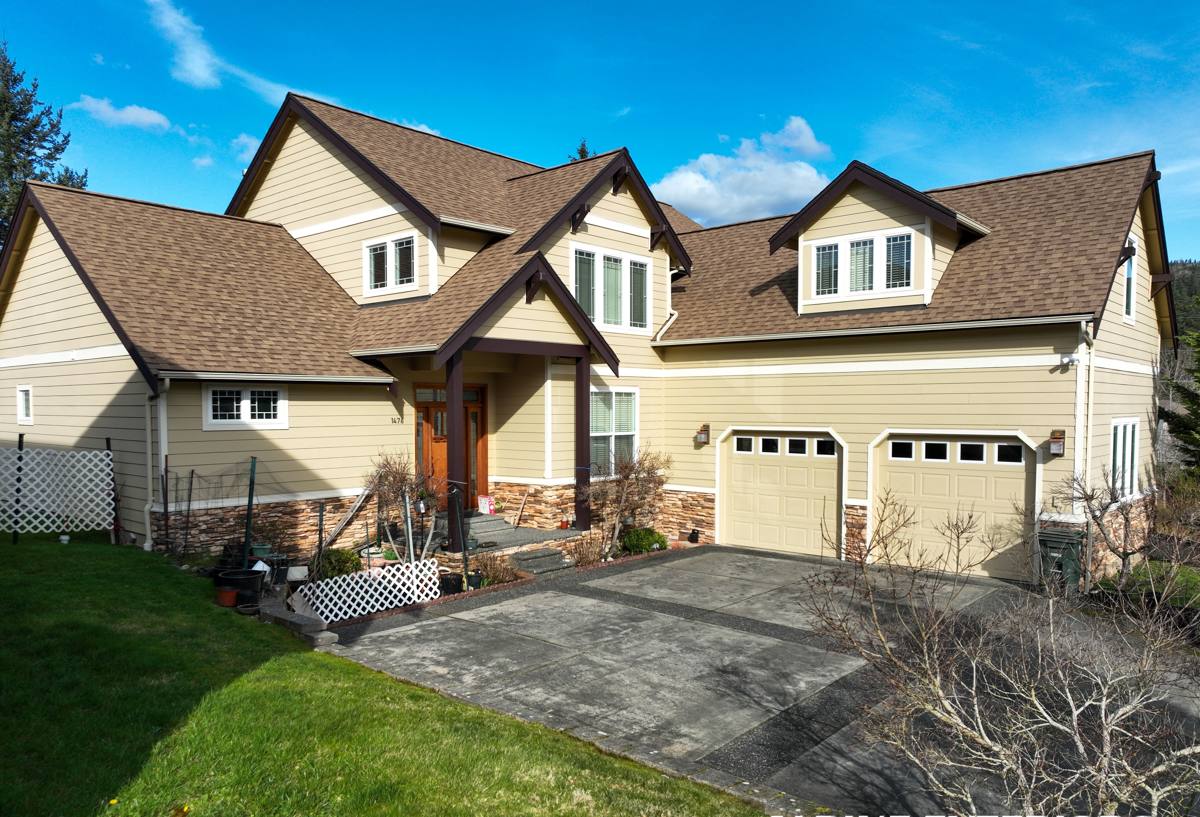
Signs Your Siding Needs Repair, Not Just a Paint Job
A fresh coat of paint can hide a lot of problems temporarily, which is part of why siding damage in this climate so often gets missed until it's serious. Here's what actually signals a repair need, not a cosmetic touch-up:
- Soft, spongy, or crumbling spots when you press on the siding, especially near the bottom courses or below windows
- Visible cracking, splitting, or buckled panels, particularly on walls that took the brunt of a recent storm
- Gaps opening up at butt joints, corners, or trim where caulk has shrunk or failed
- Bubbling, peeling, or discolored paint that keeps coming back in the same spot no matter how many times it's repainted
- Water stains or dark streaking on interior drywall near an exterior wall
- A musty smell in a room with no obvious source
- Nail heads visibly popping or panels that shift or rattle in strong wind
- Insect activity or soft wood trim around window and door casings
Any one of these on its own might be minor. Several together, or any sign near a roofline, window, or ground-level transition, usually means water has already found a way behind the cladding.
What's Actually on Belleair Bluffs Homes: Repair Considerations by Material
Not every siding repair call in this neighborhood involves the same product, and the right fix depends heavily on what's already installed. Here's how the materials we most commonly find on Pinellas County homes tend to behave and repair:
| Material | Common Failure Mode Here | Repairability |
|---|---|---|
| Vinyl siding | Cracking and warping from UV and heat, panels blowing off in high wind | Individual panels can often be replaced, but exact color/profile matches get harder to find as products age and fade |
| Wood or engineered wood (LP-type) siding | Moisture absorption at seams and edges, swelling, rot, and delamination | Damaged sections usually need full replacement; painting over rot only masks it temporarily |
| Older fiber cement | Cracked caulk joints, edge chipping, coating wear on unshielded factory finishes | Generally repairable if the substrate is sound; recoating and joint work can extend service life |
| James Hardie fiber cement | Isolated impact damage, caulk joint wear, fastener issues from installation error | Highly repairable — factory ColorPlus finish and standardized HZ profiles make section replacement and color matching straightforward |
We see all four of these on homes throughout the area, and repair work often starts with an honest assessment of which category a house falls into before we talk about what fixing it well actually requires.
What a Correct Siding Repair Actually Involves
Finding the Water Path, Not Just the Symptom
The visible crack or soft spot is rarely the whole story. Water that enters at one point can travel behind the siding and show up somewhere else entirely, following the house wrap, flashing, or framing before it becomes visible. A repair that only addresses the spot you can see, without tracing where the moisture actually came from and where it went, tends to resurface within a season or two.
Matching Material, Profile, and Reveal
Replacing a damaged section means matching not just the material but the exact plank width, exposure (reveal), and texture of what's already on the wall. Mismatched profiles are one of the most common giveaways of a rushed repair — a slightly different reveal or a butt joint that doesn't line up throws off the whole elevation, even from across the street.
Flashing and Sealant Details
Around windows, doors, and any penetration, the flashing and sealant details matter as much as the siding itself. A repair that reinstalls siding without correcting the flashing underneath it is treating the surface, not the cause — and in a climate with this much wind-driven rain, that's the part that determines whether the fix lasts.
Fastening for Wind Load
Pinellas County's building code reflects the real wind exposure homes here face. Repairs need to be fastened correctly for that exposure — proper fastener type, spacing, and embedment — not just enough to hold the panel in place until the next inspection.
Our Repair Process
We keep the process straightforward because homeowners deserve to know exactly what's happening to their house and why:
- On-site inspection of the damaged area and a check of surrounding sections for hidden moisture or related wear
- Identification of the water path and any underlying flashing, house wrap, or framing issues
- A clear explanation of what's actually needed — patch, section replacement, or a recommendation to discuss broader replacement if damage is widespread
- A written scope and price before any work begins, with no pressure to upsell beyond what the house needs
- Removal of damaged material, correction of the underlying issue, and installation of matched replacement material
- Final sealing, fastening, and a walk-through so you can see exactly what was done
Repair or Replace? How We Help You Decide
Not every damaged section needs a full re-side, and not every "repair" is actually worth doing instead of planning for replacement. These are the factors that matter most:
| Factor | Leans Toward Repair | Leans Toward Replacement |
|---|---|---|
| Extent of damage | Isolated to one or two sections | Spread across multiple walls or elevations |
| Age and condition of remaining siding | Siding is otherwise sound and well within its service life | Siding is near or past its expected lifespan already |
| Underlying material | Fiber cement or well-maintained material with matchable profiles | Older wood or degraded material where rot has spread widely |
| Moisture history | A single, identifiable entry point | Recurring leaks or evidence of long-term hidden moisture |
| Match availability | Color and profile can be matched closely | Product is discontinued or too weathered to blend in |
We'll always tell you honestly which side of this table your house falls on. A repair that's likely to fail again within a year or two isn't a favor to anyone.
Why We Only Install James Hardie Fiber Cement
When a repair does turn into a conversation about replacement — because damage is widespread, or the existing material simply isn't holding up to this coastal climate anymore — we only install James Hardie fiber cement siding. We don't install vinyl, LP SmartSide, primed wood, or cedar, and we're upfront about why: those products can each work fine in the right setting, but they carry real trade-offs in a climate with this much heat, UV, and wind-driven moisture — swelling and rot risk in wood-based products, brittleness and heat distortion in vinyl, and coating wear that shows up faster than most homeowners expect.
James Hardie's HZ product lines are engineered specifically for high-humidity, high-moisture climates like ours, the fiber cement itself is non-combustible, and the factory-applied ColorPlus finish holds color and resists the kind of UV fading that leads to constant repainting. It also carries a strong transferable warranty when installed to manufacturer spec. That's the standard we hold every repair and every replacement to, and it's why it's the only material we put our name behind.
Why a Crew That Already Works Belleair Bluffs Matters
Siding repair done wrong doesn't just look bad — it fails again, usually faster than the original problem took to develop. A crew that already works in Belleair Bluffs and the surrounding Pinellas County area knows the wind exposure this stretch of coastline sees, understands local permitting and code requirements, and has handled enough repair calls in this exact climate to recognize a hidden moisture problem before it becomes a bigger one. That local, repeated experience is worth more than a generic national warranty when the fix has to hold up against the next tropical storm.
If your siding shows any of the warning signs above, or you're just not sure whether what you're looking at is cosmetic or structural, we're glad to take a look. Reach out for a free, no-pressure estimate — we'll give you a straight answer about what your siding actually needs.