 Seminole Siding
 Why Indian Rocks Beach Homes Wear Out Siding Faster
Indian Rocks Beach sits right on the Gulf, and that barrier-island location changes what a house's exterior has to survive compared to homes even a few miles inland in Seminole or greater Pinellas County. Salt-laden air moves through the neighborhood constantly, not just during storms, and it settles on every exterior surface. Combine that with near year-round UV exposure, wind-driven rain that gets pushed sideways into wall assemblies, and the real possibility of hurricane-force wind loads, and you have one of the toughest climates in the country for exterior building products.
Siding on the beach side of the county doesn't fail because homeowners neglect it. It fails because the wrong material, or the right material installed the wrong way, simply can't keep up with that combination of stressors. That's the lens we use on every Indian Rocks Beach siding replacement: what does this specific house, in this specific location, actually need to hold up for the next several decades?
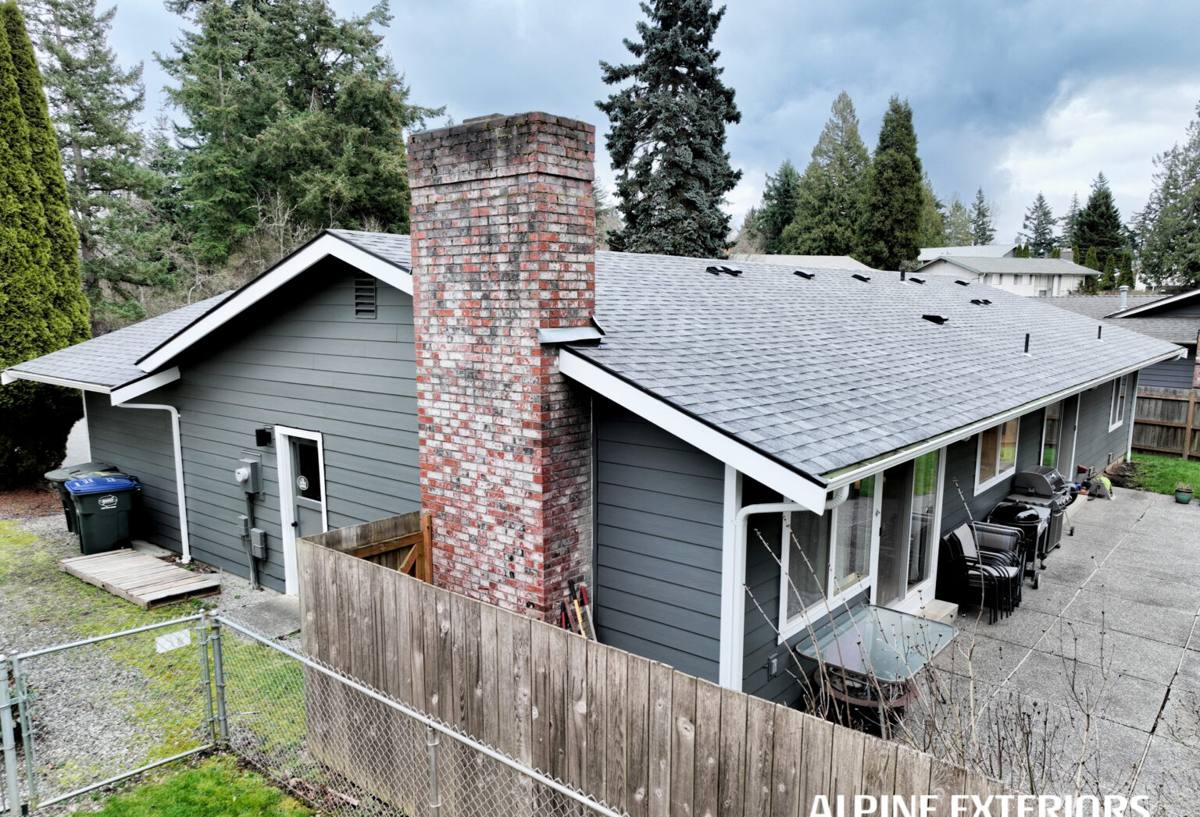
Signs Your Siding Has Reached the End of Its Life
Coastal siding failure is often gradual, and homeowners frequently wait too long because the damage isn't obvious from the street. Here's what we look for during an inspection, and what you can check yourself:
- Soft, spongy, or crumbling spots when you press on the siding, especially near the bottom courses and around window and door trim
- Visible warping, buckling, or panels that no longer sit flat against the wall
- Paint that's chalking, peeling, or fading unevenly, particularly on the sides of the house that face the water or take the most afternoon sun
- Persistent staining, streaking, or a musty smell along interior walls that back up to exterior siding
- Visible rust bleeding from fastener heads, which usually signals the wrong fastener was used for a coastal environment
- Gaps opening up at seams, corners, or trim joints where caulking has failed and pulled away
- Small holes or soft trails that suggest wood-destroying insects have gotten into damp siding or the sheathing behind it
Any one of these on its own might be a spot repair. Several of them together, especially on an older home that's never had its siding replaced, usually means it's time to talk about a full replacement before hidden moisture damage spreads to the sheathing and framing underneath.
What "Correct" Actually Means This Close to the Gulf
Moisture Management Comes First
On a barrier island, the wall assembly behind the siding matters as much as the siding itself. Wind-driven rain during a summer storm doesn't just hit the surface, it gets forced under laps and around penetrations if the water-resistive barrier and flashing details aren't done right. A correct siding replacement includes inspecting and, where needed, replacing the underlying house wrap, properly flashing every window, door, and penetration, and making sure water has a clear path to drain out rather than getting trapped behind the cladding.
Fastening for Wind, Not Just Looks
Homes in this part of Pinellas County fall within Florida's wind-borne debris region, which means siding has to be installed with a fastening schedule and clearances that account for real hurricane-strength wind loads, not the minimum spacing that might pass in a calmer inland market. Skipping this is one of the most common causes of siding blowing off in storms, and it's also one of the least visible corners to cut, because a poorly fastened job can look identical to a correctly fastened one until the wind actually tests it.
Material Choice Under Salt and UV Load
Materials that hold up fine 30 miles inland can degrade noticeably faster with constant salt exposure and intense sun. That's why material selection for an Indian Rocks Beach home isn't just a style decision, it's a durability decision, and it's the reason our company made a deliberate choice about what we will and won't install.
Why We Install Only James Hardie Fiber Cement
We standardized on James Hardie fiber cement siding, and we don't install vinyl, LP SmartSide, Cemplank, Allura, primed spruce, or cedar. That's not a marketing position, it's a decision built around what actually performs on the Gulf coast over time.
Vinyl siding softens, warps, or cracks under sustained heat and can shatter in cold snaps; in high-wind coastal zones it also has a track record of pulling loose or blowing off in storm-force gusts because of how it's engineered to hang on the wall. Engineered wood products like LP SmartSide use wood strand cores that, while treated, remain vulnerable if moisture gets past the finish at a cut edge or fastener point, and that risk goes up in a climate where humidity and wind-driven rain are constant. Untreated or primed wood species like spruce or cedar look great on day one but demand an ongoing painting and sealing commitment that most homeowners underestimate, and any lapse in that maintenance opens the door to rot in a hurry near the water.
James Hardie fiber cement is non-combustible, dimensionally stable in heat and humidity, and doesn't rely on a surface paint film alone to keep moisture out, the material itself is cement-based and far less prone to the swelling, softening, and insect damage that plague wood-based products. Hardie's ColorPlus factory finish is baked on under controlled conditions and backed by its own finish warranty, which means better fade and chip resistance than field-applied paint sees on this coast. For homes exposed to direct salt spray, Hardie also makes HZ5 fiber cement, engineered specifically for the harshest climate zones, which is what we typically specify for Indian Rocks Beach properties.
Comparing the Options for a Coastal Pinellas Home
| Factor | James Hardie Fiber Cement | Vinyl | Untreated Wood / Primed Spruce |
|---|---|---|---|
| Salt air resistance | Excellent, especially HZ5 formulation | Fair, can become brittle over time | Poor without constant upkeep |
| High-wind performance | Strong when fastened to spec | Prone to popping loose in gusts | Depends heavily on installation |
| UV / fade resistance | Strong with factory ColorPlus finish | Moderate, colors can chalk and fade | Weak, repainting needed regularly |
| Moisture / rot risk | Very low, cement-based material | Low material risk, but traps moisture behind it if installed poorly | High if finish is breached |
| Ongoing maintenance | Occasional wash and caulk check | Low, but hard to spot-repair invisibly | Frequent painting and sealing |
| Typical warranty structure | Long, transferable product and finish warranty | Varies widely by manufacturer | Limited to none on unfinished material |
How Our Indian Rocks Beach Siding Replacement Works
1. On-Site Inspection and Honest Assessment
We walk the exterior with you, check the current siding condition, and probe suspect areas for soft or damaged sheathing. We'll tell you plainly if what you have is a repair situation or a full replacement, and why.
2. Tear-Off and Sheathing Evaluation
Once the old siding comes off, we inspect the sheathing and framing underneath. This is the step that catches hidden moisture damage before it gets sealed back up behind new siding, and any rotted sheathing gets repaired or replaced before we move forward.
3. Water-Resistive Barrier and Flashing
We install or repair the house wrap and flash every window, door, and penetration correctly, so wind-driven rain has nowhere to get behind the new siding.
4. James Hardie Installation to Manufacturer and Code Spec
Panels or planks go up with the fastening pattern, clearances, and seams specified for high-wind coastal construction, not a generic inland install.
5. Trim, Caulking, and Final Detailing
Trim boards, corners, and joints are sealed correctly so the finished job sheds water the way it's designed to, rather than relying on caulk alone to do the whole job.
6. Final Walkthrough
We walk the finished exterior with you, point out what was done, and answer questions before we consider the job complete.
Why Local, Coastal-Specific Experience Matters
A crew that mostly works inland neighborhoods can still do competent work, but they're often applying inland habits to a house that needs coastal-grade detailing. A crew that regularly works Indian Rocks Beach and the surrounding Pinellas County coastline already understands the local wind-borne debris requirements, knows what salt exposure does to fasteners and trim over a few years, and has seen firsthand which shortcuts show up as callbacks two summers later. That familiarity shows up in small decisions, like fastener selection, flashing details at window returns, and how tight seams are cut, that don't show up on a quote but absolutely show up in how the siding performs during the next tropical system.
Protecting the Investment After Installation
James Hardie siding is low-maintenance, not no-maintenance. A rinse with a garden hose a couple of times a year removes salt residue and airborne grime before it builds up. It's worth doing a visual walk-around after any major storm to check for loose trim, damaged caulk lines, or debris impact, and addressing small issues quickly keeps them from becoming bigger ones. Because Hardie's ColorPlus finish is factory-applied and warrantied, most homeowners won't be repainting on the same schedule they would with field-painted wood siding, which is a real difference in both cost and hassle over the life of the siding.
Let's Talk About Your Home
If your Indian Rocks Beach home is showing signs of siding failure, or you just want an honest read on how much life is left in what you have, we're happy to take a look. Fill out the form below for a free, no-pressure estimate, and we'll give you a straight answer about what your home actually needs.