 Seminole Siding
 Siding Replacement Built for Redington's Coastal Reality
Redington sits right up against the Gulf of Mexico on Pinellas County's barrier islands, and that location changes what "good siding" actually means. A siding job that holds up fine a few miles inland in Seminole can fail years early a short drive west, once it's dealing with salt-laden air, direct Gulf sun, and wind loads that only build the closer you get to open water. If you're planning a siding replacement on a Redington home, the product and the installation both need to be chosen with that environment in mind — not treated like a generic re-side.
This page walks through what Redington's climate does to siding, what a correctly done replacement actually involves, and why we've standardized on one product system rather than offering a menu of options that don't all hold up the same way out here.
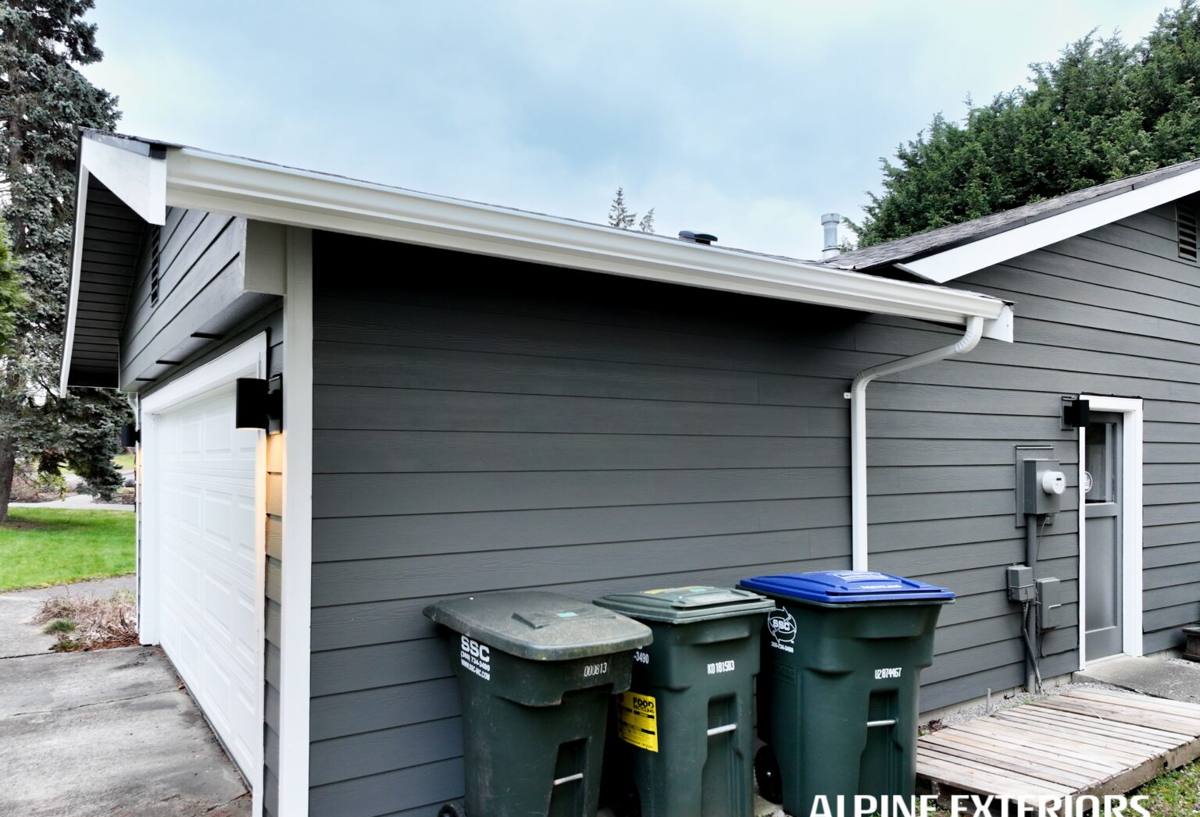
What the Climate Does to Siding on the Barrier Islands
Salt Air
Airborne salt doesn't stay near the water's edge — it travels on the wind and settles on every exterior surface it reaches, including siding, fasteners, and trim. Over time it accelerates corrosion in metal fasteners and trim pieces, breaks down cheaper coatings and paint films faster than manufacturers' inland test data would suggest, and can leave a chalky residue that traps moisture against the surface. Homes closer to the water see this faster, but even properties set back from the immediate coastline in Redington get more salt exposure than a typical Seminole property a few miles inland.
Wind and Wind-Driven Rain
Pinellas County's barrier island communities sit in a higher wind-exposure category than inland neighborhoods, simply because there's less to break up the wind coming off the Gulf. During storms, that wind doesn't just push against siding — it drives rain sideways and forces it up and under laps, seams, and trim that weren't detailed correctly. A siding system that isn't properly lapped, flashed, and fastened for wind exposure won't just look bad after a storm; it can let water behind the cladding and into the wall assembly, where the real damage happens out of sight.
Intense, Year-Round UV
Florida sun is hard on exterior materials everywhere, but a Gulf-front or near-Gulf property gets more direct, reflected, and year-round UV exposure than most. UV breaks down pigments and resins in lower-grade coatings, which is why chalking, fading, and uneven color are common complaints on siding that wasn't engineered for this kind of sun load.
Signs Your Redington Home's Siding Needs Replacing
- Soft, spongy, or crumbling spots when you press on the siding — usually a sign of moisture damage underneath, not just a surface issue
- Visible warping, buckling, or panels pulling away from the wall, often worse on the sides that face prevailing wind and rain
- Paint that's peeling, bubbling, or chalking heavily within just a few years of the last paint job
- Rust streaks below fasteners or trim, a sign the hardware itself is corroding from salt exposure
- Persistent musty smell, peeling interior paint, or bubbled drywall on an exterior wall — a sign moisture is already getting past the siding
- Visible gaps at seams, corners, or window and door trim where caulking has failed or shrunk
Why We Install Only James Hardie Fiber Cement Here
We don't install LP SmartSide, vinyl, Cemplank, Allura, or primed wood siding — not because those products can't be installed correctly somewhere, but because we've made a professional call about what actually holds up long-term in an environment like Redington's, and we'd rather install one product system well than several products with real trade-offs we'd have to explain away later.
Vinyl softens, expands, and can warp under sustained direct sun and heat, and it's a poor match for hurricane-force wind exposure compared to a heavier, mechanically fastened material. Wood-based and engineered-wood products are more sensitive to sustained moisture exposure, which is a real concern with wind-driven rain working its way into seams. James Hardie fiber cement is non-combustible, dimensionally stable in heat and humidity, and Hardie's HZ product lines are specifically engineered for the moisture and climate conditions found along the Gulf Coast. The factory-applied ColorPlus finish is baked on and warrantied against fading, chipping, and cracking in a way that field-applied paint on other substrates typically isn't. For a barrier island property that's going to take the full brunt of salt air, sun, and coastal wind, that combination is what we're willing to put our name behind.
What a Correct Siding Replacement Job Involves
Tear-Off and Substrate Inspection
A proper replacement starts with pulling the old siding off entirely, not covering over it. That's the only way to actually see what's happening underneath — soft sheathing, hidden rot around windows and doors, or water staining that points to a leak that's been active for years. Any damaged sheathing gets replaced before new siding goes up; installing new material over a compromised substrate just hides the problem for another few years.
Moisture Barrier and Flashing
Behind the siding, a correctly lapped weather-resistant barrier and properly integrated flashing at windows, doors, and any wall penetrations is what actually keeps wind-driven rain out of the wall assembly. This layer does more real work than the siding itself when a storm is pushing rain sideways, and it's also the layer most likely to get rushed or done poorly on a cut-rate job because it's invisible once the siding goes back on.
Fastening and Clearances
Fiber cement siding has to be fastened per manufacturer spec for the wind exposure the home actually faces — fastener type, spacing, and placement all matter, and getting them wrong is one of the more common ways installations fail in high-wind coastal settings. Proper clearance from grade, roof lines, and decks also has to be maintained so the bottom edge of the siding isn't sitting in standing water or constant splash-back, which is a common shortcut on rushed jobs.
Trim, Caulking, and Finish Detail
The finish details — corner boards, trim, caulking at joints and penetrations — are what keep water from finding its way in at the seams. Using a caulk and sealant rated for exterior, coastal exposure (not whatever's cheapest at the hardware store) matters more here than in a typical inland install.
Our Process for Redington Homeowners
- On-site inspection — we walk the exterior with you, check for soft spots, existing moisture damage, and note any areas with heavier wind or sun exposure
- Written estimate — a clear scope of work and pricing, with no pressure to sign on the spot
- Product and color selection — choosing the right HardiePlank, HardiePanel, or HardieShingle profile and ColorPlus finish for the home
- Permitting — pulling the required permits before work starts, which is standard for exterior work in Pinellas County
- Tear-off and substrate repair — removing old siding and fixing any sheathing or framing issues found underneath
- Weather barrier, flashing, and installation — installed to manufacturer spec for the home's actual wind exposure
- Final walkthrough and cleanup — a full site cleanup and a walkthrough so you can see the finished work before we call it done
Cost Factors for Siding Replacement in Redington
Every home is different, but these are the main variables that move the price on a coastal siding replacement:
| Factor | Why It Affects Cost |
|---|---|
| Home size and complexity | More square footage, more corners, and more window/door trim all add material and labor time |
| Substrate condition | Hidden rot or moisture damage found during tear-off adds repair work before new siding can go up |
| Siding profile | Lap siding, panel siding, and shingle-style Hardie products differ in material and install labor |
| Trim and detail work | Homes with more architectural trim, corner detail, or accent work take more time to finish correctly |
| Access and site conditions | Tight lot lines, second-story sections, or limited staging space can affect labor time |
| Wind-exposure detailing | Coastal-grade flashing, fastening, and sealant work adds labor compared to a standard inland install |
The only way to get an accurate number is a real on-site look at the home — anything given over the phone without seeing the property is a guess.
Why Hiring a Crew That Already Works Redington Matters
Coastal barrier island installs aren't identical to a standard inland re-side, and a crew that hasn't worked in this kind of wind and salt exposure can miss details that don't show up as a problem until the next storm season. A crew familiar with Redington and the surrounding Pinellas County coastline already knows to plan for higher wind exposure, detail flashing and fastening accordingly, and use hardware and sealants rated for salt air rather than defaulting to whatever's standard for an inland job. That local experience is the difference between a siding job that looks good on install day and one that's still doing its job in ten years.
Before hiring anyone for a coastal siding replacement, it's worth asking a few direct questions:
- Have you installed siding on other homes in Redington or the surrounding barrier island communities?
- What fastening and flashing approach do you use for high-wind, coastal-exposure homes?
- Are you pulling the required permits, or expecting the homeowner to handle that?
- What's included in the manufacturer's warranty versus your own workmanship warranty?
- Will you show me what's underneath the old siding before it's covered back up?
- Do you have current licensing and insurance you can provide documentation for?
Ready for a Free, No-Pressure Estimate
If your Redington home's siding is showing wear, or you just want an honest read on whether repair or full replacement makes more sense, we're happy to take a look. The estimate is free, there's no pressure to move forward, and you'll get a straight answer about what your home actually needs. Fill out the form below to get started.