 Seminole Siding
 Siding Replacement Built for St. Petersburg's Coastal Climate
St. Petersburg homes sit in one of the more demanding climates in the country for exterior materials. Between hurricane-force wind events, near-constant UV exposure, wind-driven rain, and salt air rolling in off the water, siding here works harder than siding almost anywhere else in the state. A replacement job that doesn't account for all four of those stressors at once is a job that will need to be redone years sooner than it should.
We're a Seminole-based crew, and St. Petersburg is inside our regular service area — not a stretch job we take occasionally. That matters more than it sounds like it should, and we'll get into why later in this page. First, let's talk about what actually goes wrong with siding in this part of Pinellas County, and what a correct replacement looks like.
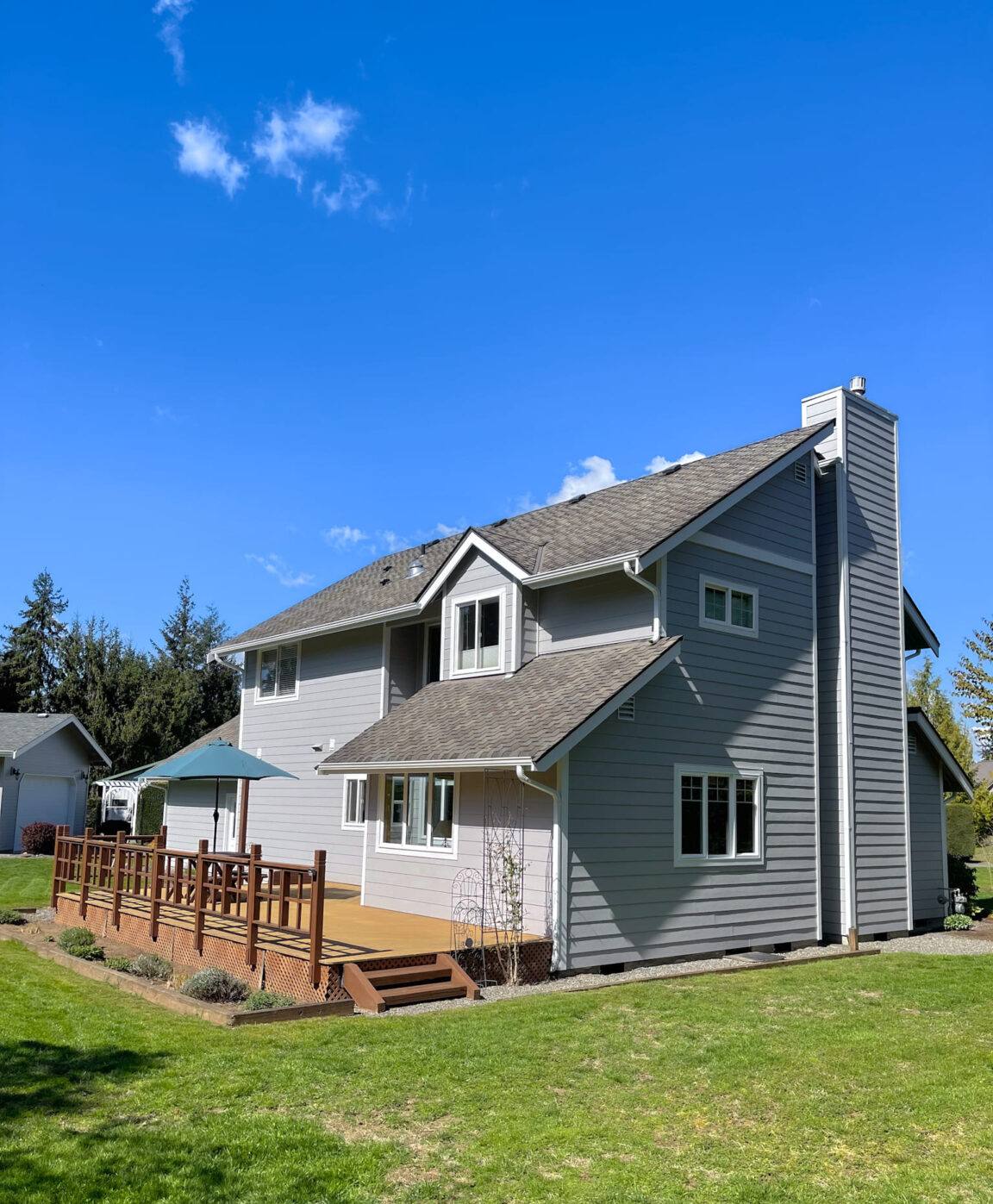
What Pinellas County Climate Does to Siding Over Time
Wind and Storm Load
St. Petersburg sits on a peninsula exposed to tropical storm and hurricane wind loads most of the year. Wind doesn't just tear siding off in a single dramatic event — it also works panels loose gradually, flexing fasteners and seams every time gusts hit a wall. Siding that isn't fastened to the manufacturer's wind-zone specification will loosen faster here than it would inland, long before a named storm ever makes landfall.
UV Exposure
Florida sun is intense and consistent almost year-round. UV breaks down pigments, softens caulk and sealants, and accelerates the aging of any coating that isn't engineered to resist it. Siding with a weak factory finish will chalk, fade unevenly, and need repainting far sooner in St. Petersburg than the same product would in a milder climate.
Wind-Driven Rain
Rain in this area rarely falls straight down. Storms push it sideways, driving water into laps, seams, and any gap around trim, windows, or penetrations. Siding systems and installation details that aren't built to shed water under lateral pressure — not just gravity — are the ones that lead to hidden moisture problems behind the wall.
Salt Air
Being close to Tampa Bay and the Gulf means salt-laden air moves through St. Petersburg neighborhoods regularly. Salt accelerates corrosion of fasteners and metal trim, and it degrades materials that aren't rated to handle it. Fastener choice and flashing details matter as much as the siding material itself in this environment.
Signs St. Petersburg Homeowners Should Watch For
- Panels that flex, rattle, or feel loose when pressed — a sign fasteners have worked loose from wind cycling
- Visible warping, buckling, or waviness along wall sections, especially on the side that takes the most weather
- Cracked, peeling, or chalky paint that rubs off on your hand
- Soft spots, discoloration, or a musty smell near the base of walls or around window and door trim
- Gaps opening up at seams, corners, or trim boards where caulk has failed
- Visible rust streaking from fasteners or metal flashing
Any one of these can be a minor fix. Several together, especially on a home with siding that's aging out anyway, usually means it's time to talk about replacement rather than another round of patching.
What We Install: James Hardie Fiber Cement, No Exceptions
We install James Hardie fiber cement siding exclusively. We don't install vinyl, LP SmartSide, Cemplank, Allura, or primed wood siding like spruce or cedar. That's not a marketing angle — it's a standard we hold because of what we've seen these products do, and not do, in exactly the climate St. Petersburg homes sit in.
Vinyl siding is affordable and easy to install, but it softens and can warp under intense, sustained heat, and in a straight-line wind event it's more prone to cracking or blowing off than a heavier, mechanically fastened material. LP SmartSide and other engineered wood products use a wood-strand core, which means any breach in the coating that lets moisture in can lead to swelling or deterioration at the core — a real risk in a climate with this much wind-driven rain. Primed wood species like spruce or cedar require diligent, ongoing maintenance to keep moisture out, and that maintenance burden only grows heavier under constant UV and salt exposure.
James Hardie fiber cement is non-combustible, dimensionally stable in heat and humidity, and doesn't have a wood core to swell or rot. Its ColorPlus factory finish is baked on and warrantied against fading and peeling far beyond what field-applied paint typically holds up to under Florida sun. Hardie also engineers regional product lines — including HZ5 formulations built for climates like ours — specifically to perform in high-moisture, high-UV conditions. When installed to spec, it's the product we're comfortable putting our name behind on a St. Petersburg home.
| Factor | Vinyl / Engineered Wood | James Hardie Fiber Cement |
|---|---|---|
| Wind performance | More prone to cracking or blow-off in high gusts | Heavier panel, mechanically fastened to wind-zone spec |
| Moisture behavior | Wood-core products can swell or deteriorate if coating is breached | No wood core; fiber cement resists moisture-driven decay |
| UV/finish durability | Finish often fades or chalks faster; may need repainting | Factory ColorPlus finish warrantied against fading/peeling |
| Fire rating | Combustible depending on material | Non-combustible |
| Typical lifespan (installed to spec) | Varies widely by product and maintenance | Decades, with strong transferable warranty backing |
What a Correct Replacement Job Involves
Tear-Off and Substrate Check
We remove the existing siding down to the sheathing and inspect for hidden damage — soft wood, prior water intrusion, or compromised areas around windows and penetrations. Any of that needs to be addressed before new siding goes up, not covered over.
Weather Barrier and Flashing
A correctly installed weather-resistant barrier and properly integrated flashing around windows, doors, and penetrations is what actually keeps wind-driven rain out of the wall assembly. This layer matters as much as the siding itself, and it's the step that gets rushed on lower-quality jobs.
Fastening to Wind-Zone Spec
Fastener type, spacing, and placement all need to match James Hardie's published wind-zone requirements for our area, not a generic install pattern. This is the detail that determines whether siding stays put in a serious wind event or comes loose.
Trim, Caulking, and Seams
Seams and trim joints need to be sealed with products rated for this climate, and installed with the gaps and clearances Hardie specifies so the material can handle normal expansion and contraction without cracking the seal.
Final Finish
With ColorPlus prefinished panels, there's no field painting needed for the finish coat, which removes one more variable that UV and humidity could otherwise compromise down the line.
Why a Seminole-Based Crew Matters for St. Petersburg Homes
We're not driving in from another region to bid this job. Seminole is minutes from St. Petersburg, and we work in this part of Pinellas County regularly, which means we're already familiar with the wind exposure, humidity, and coastal conditions specific to this stretch of the county — not applying a generic install approach and hoping it holds up locally.
A local crew also means faster response if you need a follow-up visit, easier scheduling, and a contractor who has a reputation to protect in the neighborhoods where you actually live. That's a different relationship than hiring a company that shows up once from an hour away and doesn't come back.
What to Look For When Hiring a Siding Contractor Here
- Manufacturer training or certification on the specific siding product being installed
- Proper Florida contractor licensing and insurance, verifiable before work starts
- A clear written scope covering tear-off, barrier, flashing, fastening spec, and finish — not just "install siding"
- Willingness to explain wind-zone fastening requirements for your specific home
- Local references or a local track record, not just a website
- A warranty that's explained in writing, including what's covered and what's not
Cost Factors for St. Petersburg Siding Replacement
Every home is different, and we don't publish blanket pricing because square footage, home shape, number of stories, trim complexity, and existing substrate condition all move the number. In general, the factors that most affect cost are:
| Factor | Why It Matters |
|---|---|
| Home size and wall complexity | More corners, gables, and trim details mean more labor |
| Substrate condition | Hidden water damage found during tear-off adds repair scope |
| Siding profile and accessories | Lap width, trim style, and accent details affect material cost |
| Story height and access | Second-story and hard-to-access walls take more time and equipment |
The only way to get an accurate number is a walk-through of your specific home, which is what our estimate process is for.
If your St. Petersburg home's siding is showing wear, or you're just planning ahead for a coastal-grade replacement, we're happy to take a look and give you a straight, no-pressure estimate. Use the form below to get started.