 Seminole Siding
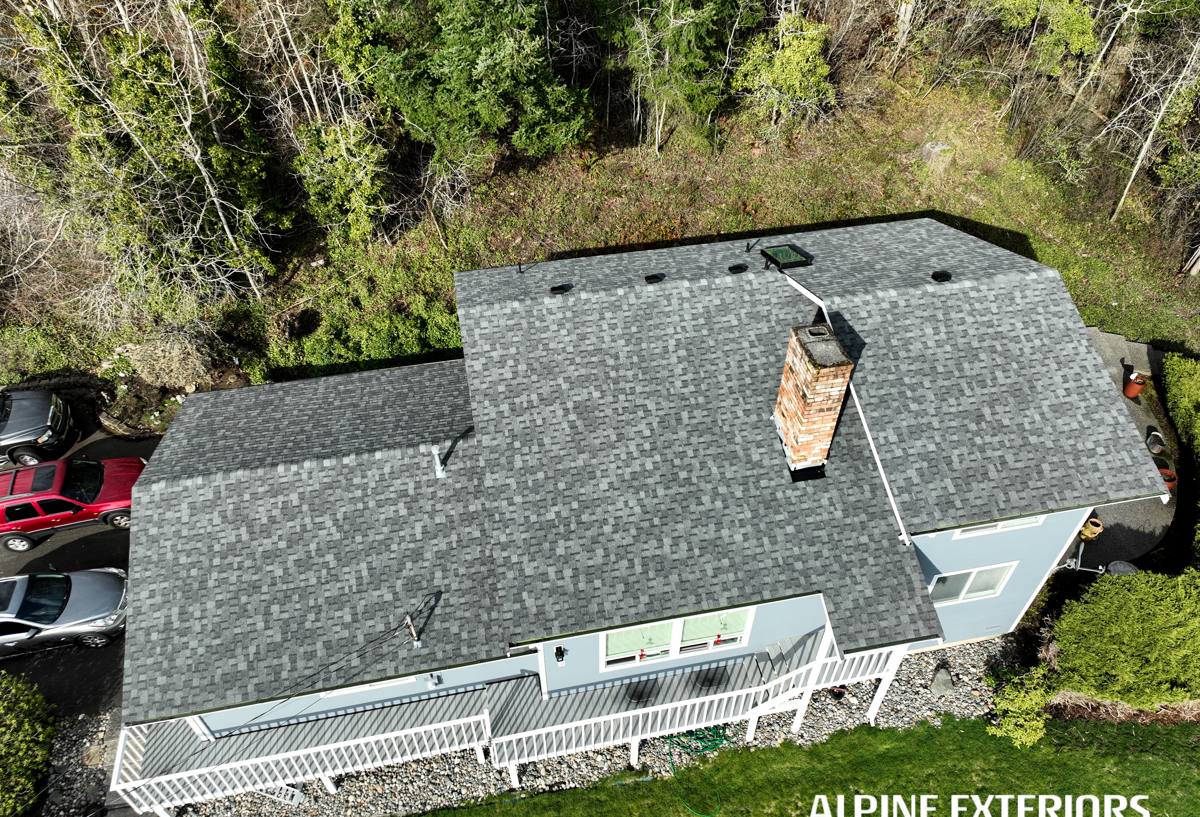
 New Roof Installation Built for St. Pete Beach Conditions
St. Pete Beach sits right on the Gulf, and that location is exactly what makes a roof replacement here different from a typical inland job. Homes on this stretch of Pinellas County take a harder hit from the sun, the salt, and the wind than almost anywhere else in the region. A roof that would hold up fine a few miles inland can wear out years early on a barrier island lot. When we install a new roof in St. Pete Beach, we're not just following a generic spec sheet — we're accounting for what this specific environment does to shingles, flashing, fasteners, and decking over time.
This page covers what a correct new roof installation looks like for a St. Pete Beach home: the climate factors driving the decisions, what's actually involved in doing the job right, and why working with a crew that's already familiar with this area matters more here than in most places.
What the Local Climate Does to a Roof
Seminole and the surrounding Pinellas County coastline deal with a combination of stressors that few other markets face all at once. Understanding these is the starting point for any roofing decision on a barrier island property.
Hurricane-Force Wind Exposure
St. Pete Beach is directly exposed to Gulf-driven wind events, including tropical storms and hurricanes that can push sustained winds well above what standard shingle installations are rated to handle without upgraded fastening. Wind doesn't just tear off loose shingles — it gets under the roof edge and starter course first, then works its way in. Uplift resistance starts at the perimeter details, not just the field of the roof.
Year-Round UV Load
Florida sun is intense in every season, and a Gulf-front roof gets little relief from shade or cloud cover compared to inland properties. UV breaks down asphalt shingle oils and can degrade underlayment and sealants faster than manufacturers' generic lifespan estimates assume. Over years, this shows up as granule loss, brittleness, and premature cracking.
Wind-Driven Rain
Storms here rarely bring rain straight down — it comes in sideways, which means water gets pushed up under shingle tabs, around vents, and into any gap in flashing that a calm-weather rain would never reach. This is why underlayment choice and flashing detail work matter as much as the shingle itself.
Salt Air Corrosion
Airborne salt from the Gulf accelerates corrosion on exposed metal — nails, flashing, vents, and fasteners. A roofing system that uses the wrong metal or an under-spec fastener in a salt-air zone can develop rust streaks and weakened connections well before the shingles themselves are due for replacement.
What a Correct New Roof Installation Involves Here
Given those four stressors, a proper new roof for a St. Pete Beach home isn't just "new shingles on the old deck." Each stage of the job has a coastal-specific right way to do it.
Full Tear-Off and Deck Inspection
We remove the old roofing down to the deck rather than layering over it. This lets us actually see the plywood or OSB underneath and identify any soft spots, rot, or delamination — common in Gulf-side homes where humidity and past leaks have had time to work on the wood. Any damaged decking gets replaced before anything new goes down; skipping this step is one of the most common ways a new roof fails early.
Enhanced Underlayment
Given the wind-driven rain risk, we favor synthetic or self-adhering underlayment systems with strong water-shedding performance over older felt products, particularly at valleys, eaves, and penetrations where wind-blown water concentrates.
Wind-Rated Fastening and Uplift Detail
Proper nail count, nail placement, and starter strip installation at the eaves and rakes make the difference between a roof that stays put in a wind event and one that doesn't. We follow fastening schedules matched to the wind exposure of a coastal lot, not the minimum allowed inland.
Corrosion-Resistant Metal
Flashing, drip edge, and fasteners are specified with salt-air exposure in mind. Using the wrong-grade metal here is a common shortcut that shows up as rust stains and weakened connections within just a few years — it's a maintenance and longevity trade-off we don't make on Gulf-front homes.
Ventilation That Matches the Attic
Proper intake and exhaust ventilation keeps attic temperatures and moisture in check, which protects the underside of the new decking and helps the shingles perform closer to their rated lifespan under constant UV load.
Roofing Material Options for a St. Pete Beach Home
There's no single "best" roofing material for every home — it depends on budget, roof shape, HOA or historic considerations, and how long you plan to own the home. Here's how the common options stack up against the local conditions.
| Material | Wind Performance | Salt Air / UV Durability | Maintenance |
|---|---|---|---|
| Architectural asphalt shingle | Good with proper wind-rated installation | Moderate; UV and salt shorten lifespan versus inland use | Low to moderate |
| Metal roofing (standing seam, coastal-grade) | Excellent when properly fastened | Strong when coated/grade is matched to coastal exposure | Low |
| Tile (concrete or clay) | Very good when properly installed and fastened | Excellent surface durability; underlayment still key | Moderate; occasional crack repair |
| 3-tab asphalt shingle | Lower wind rating than architectural shingle | Shorter service life in intense UV/salt exposure | Higher over time |
We'll walk through which of these makes sense for your specific roof shape, budget, and how long the underlayment and flashing package should last relative to the shingle or covering you choose.
Our Installation Process
Every new roof installation follows the same sequence, adjusted for the specifics of your home:
- On-site inspection and estimate — we look at the existing roof, deck condition (where visible), ventilation, and any problem areas before quoting.
- Material selection — we go over the options above in plain terms, including realistic lifespan expectations for a Gulf-front property.
- Permitting — roofing permits are pulled through the appropriate local jurisdiction before work begins.
- Tear-off and deck inspection — full removal of old roofing, deck repair as needed.
- Underlayment and flashing installation — the layer that does most of the real work protecting the home between storms.
- Roof covering installation — shingles, metal panels, or tile installed to manufacturer specs and wind-rated fastening schedules.
- Ventilation and detail work — vents, boots, and edge details finished and sealed.
- Final walkthrough and cleanup — magnetic sweep for nails, debris removal, and a walkthrough so you know what was done and why.
What to Check Before You Sign a Roofing Contract
- Does the estimate specify deck repair as a line item, not a vague allowance?
- Is the underlayment type named specifically, not just "underlayment included"?
- Does the contractor mention wind-rated fastening or starter strip detail for coastal exposure?
- Is the flashing metal grade or type specified for salt-air durability?
- Are permits and inspections handled by the contractor, not left to you?
- Is there a written warranty covering both materials and workmanship?
Why a Crew That Already Works St. Pete Beach Matters
A roofing crew based inland can absolutely do competent work, but there's a real advantage to hiring one that already spends time on barrier island homes. We know which fastening schedules actually hold up here versus on paper, which flashing details tend to fail first under wind-driven rain, and how salt air changes the maintenance conversation over the years after installation. That familiarity comes from repetition, not a manual — it's the difference between a roof that's technically up to code and one that's built for what St. Pete Beach specifically throws at it.
Being based in Seminole also means we're not driving in from across the county for warranty visits or storm-season follow-ups. If something needs a look after a bad blow, we're close by.
Permits, Codes, and Local Requirements
Roof replacements in Pinellas County require permitting and inspection, and coastal properties can carry additional wind-load or flood-zone considerations depending on the specific lot. We handle the permitting process as part of the job rather than leaving it to the homeowner, and we make sure the installation meets current wind-uplift standards for the exposure category your home falls under — not just the minimum code baseline used further inland.
Timing Your Roof Replacement
If your current roof is showing granule loss, curling shingles, soft spots on the deck, or visible rust streaking around vents and flashing, it's worth having it assessed before those small issues turn into a leak during the next storm. Replacing a roof proactively, on your own timeline, is almost always less stressful and less costly than an emergency replacement after storm damage. We're happy to take a look and give you an honest read on where your current roof stands, whether that means replacement now or a few more years of service life left.
If you're weighing a new roof for your St. Pete Beach home, we're glad to come take a look and put together a straightforward, no-pressure estimate — just fill out the form below to get started.