 Seminole Siding
 Windows on a Barrier Island Face a Different Set of Problems
St. Pete Beach sits right on the Gulf, and that location changes what a window has to survive every single day. It isn't just the occasional named storm. It's salt-laden air working on hardware and finishes twelve months a year, UV load that's higher than most of the country, wind-driven rain that gets pushed sideways into any gap in the seal, and gusts that put real structural load on a window frame even outside of hurricane season. A window that would be perfectly fine in an inland Pinellas County neighborhood can fail years early a few blocks from the water.
We're based in Seminole and have worked homes across this stretch of Pinellas County long enough to know that "coastal" isn't a marketing word here — it's a design constraint. Every recommendation below is built around what actually holds up on or near the beach, not what looks good in a showroom.
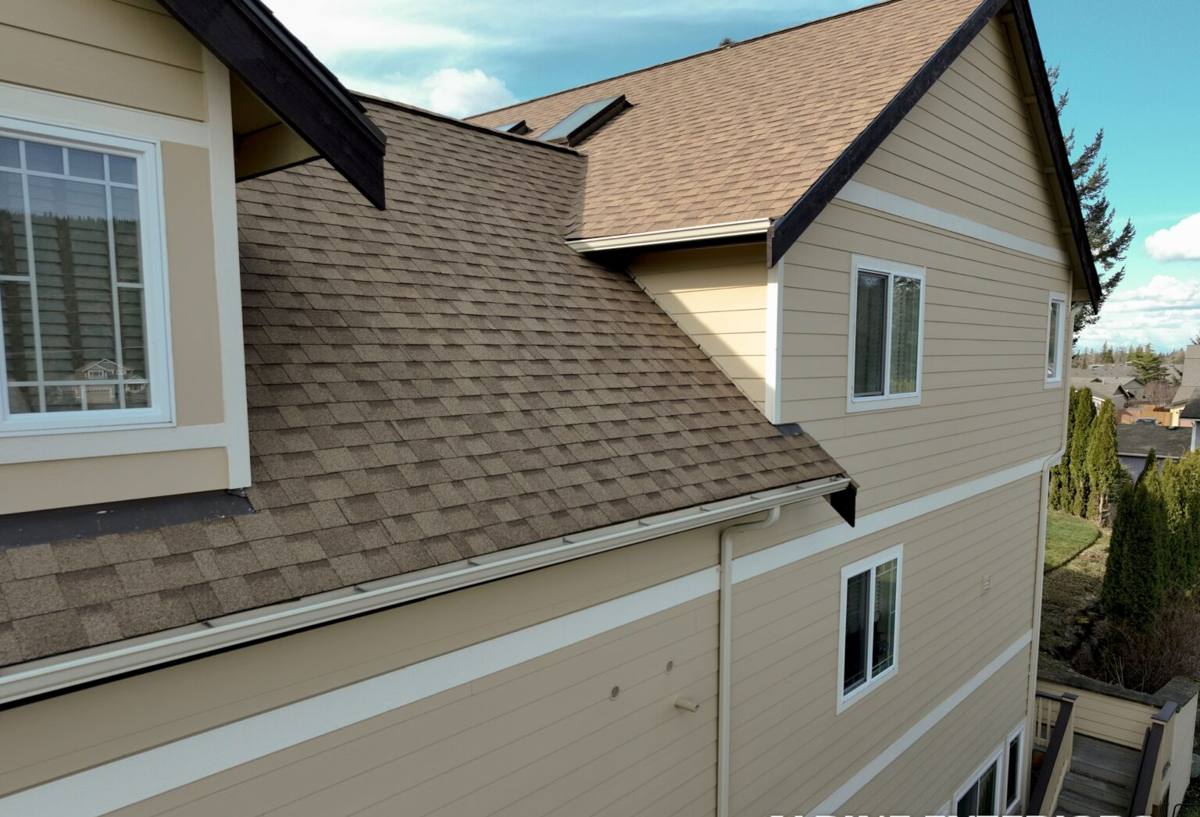
Signs Your St. Pete Beach Home's Windows Are Falling Behind
Window failure on the barrier island is usually gradual, and homeowners often live with small problems for years before calling anyone. Here's what we typically find during an assessment, and what it usually means:
- Corroded or stiff hardware — locks, cranks, or balances that stick or show white/green corrosion, a sign salt air has gotten into the mechanism
- Fogging between panes — the seal on an insulated glass unit has failed and moist air is trapped between the layers
- Visible daylight or air movement around the frame — the sealant or flashing has broken down, which is also how wind-driven rain gets in
- Chalky, pitted, or discolored frames — UV and salt exposure breaking down the finish, common on south- and west-facing exposures
- Soft or discolored drywall/trim near the window — often the first visible sign of water intrusion that's been happening behind the wall for a while
- Difficulty opening or closing — frame movement, swelling, or a failing balance system
None of these are cosmetic issues you can ignore indefinitely. Water intrusion around a window is one of the more common paths for hidden rot and mold damage in coastal homes, because the problem is happening inside the wall cavity long before it shows up on the surface.
What Florida's Wind and Impact Codes Mean for Your Window Choice
Pinellas County sits within Florida's Wind-Borne Debris Region, which means new windows and full replacements here have to meet specific product approval standards, not just "look sturdy." In practice that means the window itself has been tested and rated for wind load and, in many cases, large missile impact — or it's paired with an approved opening protection system that meets the same standard.
This matters for two practical reasons. First, it's a permitting requirement — the county has to see a product with a valid Florida Product Approval or Miami-Dade Notice of Acceptance (NOA) before a permit is issued for most window replacements. Second, it's the actual thing standing between your interior and a storm. A window that isn't rated for this region can fail under wind load alone, even if nothing ever hits it, simply because the frame wasn't engineered to resist the pressure differential a hurricane creates.
We pull the required permits, use products with current, verifiable approvals for this wind zone, and make sure the paperwork matches what's actually installed — which is exactly what an inspector will be checking.
Impact-Rated Glass vs. Separate Protection
You have two general paths to meet code: install impact-rated windows, where the glass and frame assembly itself is tested to resist impact and wind pressure, or install standard-rated windows paired with an approved separate protection system used during storms. Impact windows cost more up front but require no action when a storm approaches, keep the view unobstructed year-round, and typically bring better sound and UV reduction as a side benefit. We'll walk through both honestly based on your home and budget — there's no single right answer for every house.
Frame Material Matters More Near Salt Air
Frame material choice has a bigger long-term impact near the Gulf than it does inland, because salt air accelerates corrosion and finish breakdown. Here's how the common options generally hold up in this specific environment:
| Frame Material | Coastal Durability | Maintenance | Notes |
|---|---|---|---|
| Vinyl | Good — won't corrode or rust | Low | Quality varies significantly by manufacturer; look for UV-stabilized formulations for Florida sun |
| Fiberglass | Very good — dimensionally stable, resists salt and UV degradation | Low | Higher upfront cost, holds paint well if color changes are wanted later |
| Aluminum | Fair to good depending on coating | Moderate | Needs a quality marine-grade finish; bare or poorly coated aluminum corrodes faster in salt air |
| Wood | Poor without significant upkeep | High | We generally steer beachside clients away from exposed wood frames — the maintenance burden and moisture sensitivity this close to the Gulf usually isn't worth it, even with quality sealants |
Hardware matters just as much as the frame. Locks, hinges, and cranks should be stainless steel or another corrosion-resistant alloy — standard-grade hardware is one of the first things to fail in a barrier island environment, often within a couple of years.
What a Correct Window Installation Actually Involves
The window product is only part of the equation. Most premature failures we see in this area trace back to installation shortcuts, not the window itself. A correct install includes:
- Rough opening inspection — checking the sheathing and framing around the old window for hidden rot or water damage before anything new goes in
- Proper flashing — a continuous drainage path so any water that gets past the outer seal is directed back out, not into the wall cavity
- Correct shimming and leveling — an out-of-square frame stresses the glass, hardware, and seals over time
- Manufacturer-specified fastening schedule — the number, spacing, and type of fasteners matters for the window to actually perform at its rated wind load
- Sealant compatible with the substrate and climate — using the wrong sealant, or applying it as the only line of defense instead of alongside proper flashing, is a common shortcut that fails within a season or two on the coast
- Interior and exterior trim finished correctly — sealed and finished so it doesn't become its own water entry point
Every one of these steps is invisible once the window is in and the trim is painted. That's exactly why it's worth choosing a crew based on process, not just the product they're selling you.
Our Installation Process, Start to Finish
1. On-Site Assessment
We look at each window opening individually — not every window on a home fails the same way or needs the same solution. We check framing condition, current flashing, and how the opening is oriented relative to prevailing wind and rain.
2. Product Selection
We go over frame material, glass package, and impact vs. non-impact options based on your home's exposure, your budget, and what the county requires for your specific permit. You'll know exactly what you're paying for and why.
3. Permitting
We handle the permit application with the required product approval documentation. This isn't optional paperwork — it's what protects you if there's ever an insurance question or a future sale inspection.
4. Removal and Prep
Old windows come out carefully, and we inspect the opening before anything new goes in. If we find rot or damage in the framing, we'll show it to you and address it before installation continues — that's not an upsell, it's the only way the new window will actually perform correctly.
5. Installation
Flashing, leveling, fastening, and sealing done to manufacturer specification and current Florida Building Code requirements for this wind zone.
6. Final Inspection and Cleanup
We walk the job with you, confirm every window operates correctly, and coordinate the final county inspection so your permit closes out cleanly.
Why a Crew That Already Works St. Pete Beach Is Worth It
Barrier island jobs come with logistics that don't show up on the mainland. Many streets have limited parking and staging space, some properties are governed by HOA or condo association rules about work hours and material storage, and single-access roads mean poor scheduling can back up a whole job. A crew that already works this area plans around all of that before the trucks show up.
There's also the Pinellas County permitting side. Requirements for the Wind-Borne Debris Region are consistent countywide, but the practical experience of getting a beachside job through inspection — knowing what documentation an inspector will want to see, how to sequence permit approval with material lead times — comes from doing it repeatedly in this specific area, not from general contracting experience elsewhere in the state.
And frankly, a crew that's replaced enough windows on the beach has seen firsthand what fails here in two years versus what's still holding up after ten. That's knowledge you can't get from a spec sheet.
Before You Hire: A Practical Checklist
- Confirm the contractor is licensed and insured in Florida, and ask to see current documentation
- Ask specifically whether the windows they're proposing meet Wind-Borne Debris Region product approval for Pinellas County
- Ask who pulls the permit — it should be the contractor, not you
- Ask about frame material and hardware grade, specifically for salt air exposure, not just general Florida use
- Get the flashing and sealing method explained in plain language — if they can't describe it, that's a red flag
- Ask what happens if hidden rot or damage is found once the old window comes out
- Get a written estimate that itemizes product, labor, and permitting rather than one lump number
What Reasonable Costs Depend On
We don't publish fixed pricing because window jobs vary too much window to window, but the real cost drivers are consistent. Understanding them helps you evaluate any estimate, including ours.
| Factor | Why It Affects Cost |
|---|---|
| Impact-rated vs. standard glass | Impact-rated units cost more per window but eliminate the need for separate storm protection |
| Window size and opening count | Larger openings and multi-window projects change both material and labor pricing |
| Frame material | Fiberglass typically costs more upfront than vinyl; aluminum varies by coating quality |
| Condition of the existing opening | Rot or framing repair discovered during removal adds labor beyond a straightforward swap |
| Access and site logistics | Upper floors, tight beachside lots, or HOA scheduling restrictions can affect labor time |
If your St. Pete Beach home has windows that are corroding, fogging, letting in air, or simply original to a house that's due for an upgrade, we're happy to take a look and give you a straightforward, no-pressure estimate — no obligation, just an honest read on what your home actually needs. Use the form below to get started.