 Seminole Siding
 Why St. Petersburg Roofs Wear Out Faster Than the National Average
A roof in St. Petersburg does not get an easy life. It sits on a peninsula surrounded by Tampa Bay and the Gulf of Mexico, which means salt-laden air is a constant presence even on homes several miles from the water. Add in some of the most intense year-round UV exposure in the continental United States, seasonal wind-driven rain, and the real possibility of hurricane-force winds during storm season, and you have a combination that ages roofing materials well before their rated lifespan if the original installation cut any corners. This is not a scare tactic — it is simply the environment Pinellas County homes live in, and it's why a roof replacement here has to be judged by different standards than the same job in a drier, calmer climate.
Sun breaks down asphalt oils and UV-stabilizers in shingles, salt air accelerates corrosion on fasteners and metal flashing, and wind-driven rain finds every gap in flashing or underlayment that a calmer climate would never expose. None of this means a roof replacement needs to be complicated — it means it needs to be done correctly, with the right materials and details for this specific location.
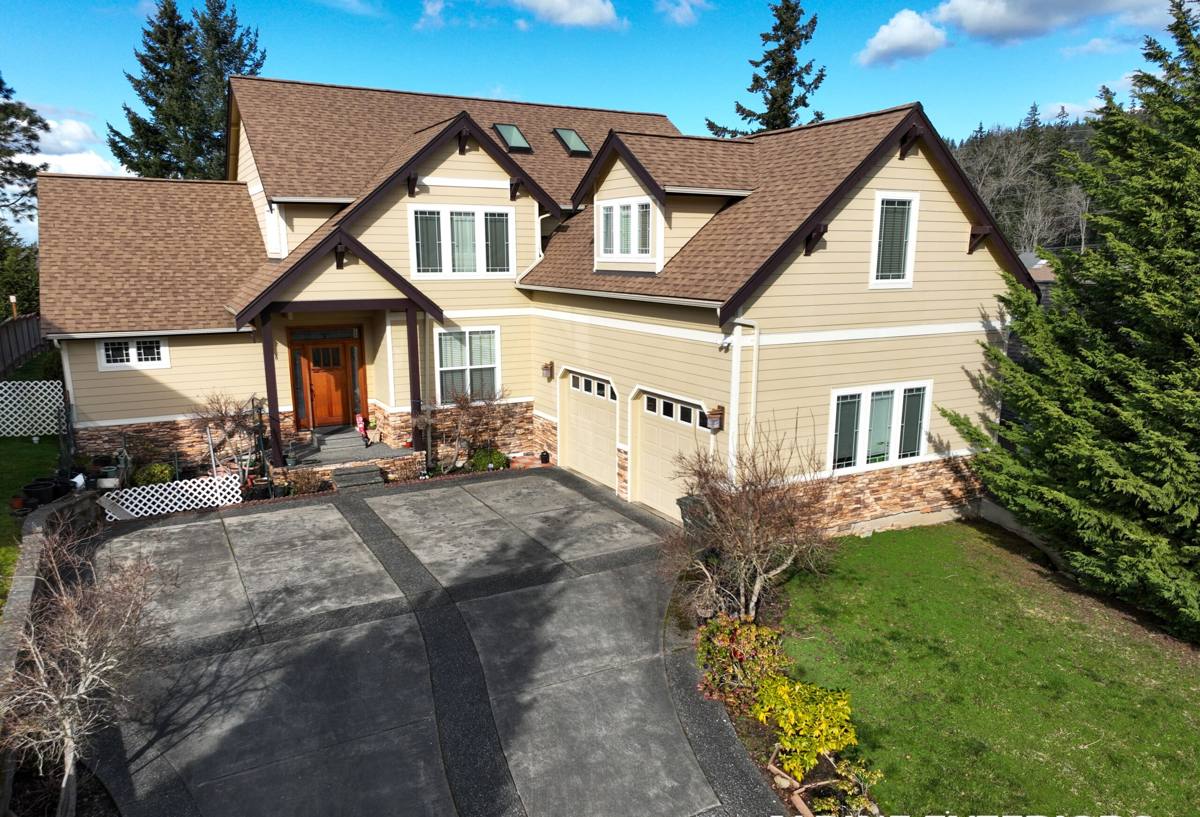
Signs a St. Petersburg Roof Is Overdue for Replacement
Roof age is a starting point, not the whole story. Two roofs installed the same year can be in very different condition depending on ventilation, slope, tree cover, and how the original install handled flashing and underlayment. Look for these signs rather than relying on the calendar alone:
- Shingles that are curling, cupping, or losing granules in visible patches
- Cracked, slipping, or missing tiles on tile roofs
- Rust streaking, soft spots, or lifted seams on metal roofing
- Ponding water or bubbling on flat/low-slope sections
- Interior ceiling stains, especially after wind-driven rain events
- Daylight visible through the attic decking
- Rising cooling bills that suggest failing attic ventilation or insulation
- Repeated repairs to the same section of roof within a year or two
If you're seeing two or more of these, it's worth getting an honest inspection before the next storm season rather than after storm damage forces the issue.
What a Correct Roof Replacement Actually Involves Here
Tear-Off and Deck Inspection
Every proper replacement starts with removing the old roofing down to the deck — not roofing over an existing layer. This is the only way to find rotted or delaminated decking, which is common on older St. Petersburg homes where past leaks went unnoticed for years. Soft or damaged decking gets replaced before anything new goes down; skipping this step is the single most common shortcut that leads to early failure.
Underlayment and Secondary Water Barrier
In a market with regular wind-driven rain, the underlayment matters as much as the visible roofing material. A self-adhering, high-wind-rated underlayment or a taped secondary water barrier gives the roof a backup layer of protection if wind ever drives water under the primary covering — a real scenario during Gulf Coast storms, not a hypothetical.
Flashing and Fastener Corrosion Resistance
Salt air corrodes standard fasteners and thin flashing faster near the coast than almost anywhere else in the country. Correct installs use corrosion-resistant fasteners and properly formed flashing at every valley, wall intersection, chimney, and penetration — the details that determine whether a roof leaks in year three or holds up for its full expected life.
Ventilation
Florida attics run hot, and poor ventilation shortens the life of shingles from underneath while driving up cooling costs. A correct replacement checks intake and exhaust balance, not just the visible roofing surface.
Roofing Material Options for St. Petersburg Homes
There's no single "best" material — the right choice depends on your home's structure, your budget, and how much maintenance you want to take on. Here's how the common options compare in this climate:
| Material | Wind Performance | Salt Air / Corrosion | Typical Maintenance |
|---|---|---|---|
| Architectural asphalt shingle | Good with high-wind-rated products and correct nailing pattern | Moderate — fasteners and flashing are the vulnerable points | Low to moderate |
| Concrete or clay tile | Very good when properly fastened/adhered | Good — tile itself resists salt, but underlayment beneath it ages and needs eventual renewal | Moderate (occasional tile replacement, underlayment lifespan awareness) |
| Standing seam metal | Excellent with correct fastening and panel clips | Good with coastal-rated coatings and stainless or coated fasteners | Low |
| Low-slope / flat (modified bitumen, TPO) | Depends heavily on correct drainage and seam sealing | Moderate — UV and ponding water are the bigger long-term risks | Moderate, requires periodic seam and drainage checks |
Many St. Petersburg homes, especially older ranch-style houses, have a mix of a primary sloped roof and a smaller flat or low-slope section over an addition or lanai. It's common — and correct — to use different materials or detailing on each section rather than forcing one system to do a job it wasn't designed for.
Permits, Code Requirements, and Wind Mitigation
A roof replacement in St. Petersburg requires a permit through the applicable local building department, and the work has to meet current Florida Building Code wind-resistance and water-barrier standards for the area — these standards have been tightened multiple times since major hurricanes exposed weaknesses in older installations. Skipping the permit might save a few days, but it leaves you without inspection sign-off, which can complicate insurance claims and home sales down the road.
It's also worth having a wind mitigation inspection done after a replacement. This documents features like roof-to-wall connections, roof deck attachment, and impact-resistant components, and it's frequently used by insurers to calculate windstorm premium discounts in coastal Florida counties. A contractor who does this work regularly in Pinellas County will know to hand you the paperwork you need for that inspection without you having to ask.
Our Roof Replacement Process
- Inspection and honest assessment — we look at the whole roof system, not just the surface, and tell you plainly whether you need a replacement or a repair will do.
- Written estimate and material selection — options and trade-offs explained in plain terms, with a clear scope of work.
- Permitting — we pull the required permit before work begins.
- Tear-off and deck inspection — old roofing removed, decking checked and repaired as needed.
- Underlayment, flashing, and ventilation work — the details that determine long-term performance.
- Installation of the new roofing system — following manufacturer specs and Florida wind-rating requirements.
- Final inspection and cleanup — including magnetic sweep for debris and a walkthrough with you.
- Documentation handoff — warranty paperwork and anything needed for a wind mitigation inspection or insurance file.
Why Hiring a Crew That Already Works in St. Petersburg Matters
A roofing crew that regularly works in this specific area already knows which permitting office to call and what they'll ask for, understands the housing stock here — from older block ranch homes to newer coastal construction — and has already made the coastal-specific decisions on fasteners, flashing, and underlayment that a crew unfamiliar with salt air exposure might not think to make. That local pattern-recognition is often the difference between a roof that just looks finished and one that's actually built to hold up against the next tropical storm or hurricane season. It also means faster response if storm damage does happen, since you're not waiting on a crew that has to travel in from outside the area.
Cost Factors in a St. Petersburg Roof Replacement
Every roof is priced individually, but the same handful of factors drive most of the variation between jobs:
| Factor | Why It Affects Cost |
|---|---|
| Roof size and pitch | More square footage and steeper slopes mean more material and labor time |
| Material choice | Shingle, tile, metal, and low-slope systems have very different material and labor costs |
| Deck condition | Rotted or delaminated decking found during tear-off requires repair before installation continues |
| Roof complexity | Valleys, dormers, and multiple roof planes take more time to flash correctly than a simple gable |
| Number of layers to remove | Some older homes have more than one roofing layer, adding tear-off labor |
| Code and wind-rating upgrades | Bringing an older roof up to current wind and water-barrier standards can add cost but reduces future risk |
Be cautious of any estimate that's dramatically lower than others for the same scope of work — it usually means something is being skipped, whether that's tear-off, permitting, or proper underlayment.
Choosing a Roof Replacement Contractor: A Practical Checklist
- Ask for their Florida contractor license number and verify it independently
- Confirm current general liability insurance and workers' compensation coverage
- Ask whether they pull permits themselves and handle inspections
- Get the estimate in writing with material brand, underlayment type, and warranty terms spelled out
- Ask directly how they handle flashing and fasteners for salt air exposure
- Confirm they'll provide documentation for a wind mitigation inspection
- Ask how they handle unexpected deck repair costs found during tear-off
A contractor who answers these questions clearly and without hedging is generally one who does this work correctly and often enough to know exactly what's involved.
If your St. Petersburg roof is showing its age or you just want an honest opinion on where it stands, we're happy to take a look. Fill out the form below for a free, no-pressure estimate — we'll tell you plainly what we see and what your real options are.