 Seminole Siding
 Storm Damage Roof Repair for Clearwater Homeowners
Clearwater sits close enough to the Gulf that every roof in the area lives with the same combination of threats: tropical storms and hurricanes rolling in off the water, wind-driven rain that finds its way under shingles that would stay put in a calmer climate, and salt-laden air that quietly ages metal fasteners and flashing year-round. Add in Florida's relentless UV exposure, and a roof here is working harder than a roof almost anywhere else in the country. When a storm passes through Pinellas County, the question isn't whether your roof took some kind of hit — it's whether that hit is something you can see.
We work storm damage repairs in Clearwater and the surrounding Seminole area regularly, which means we're not guessing at how local wind patterns, roof pitches, and building ages tend to interact. We know what a wind-lifted ridge cap looks like after a tropical storm versus after a straight-line gust event, and we know which older Clearwater roofs are more likely to have underlayment that's already past its useful life before the storm ever hit.
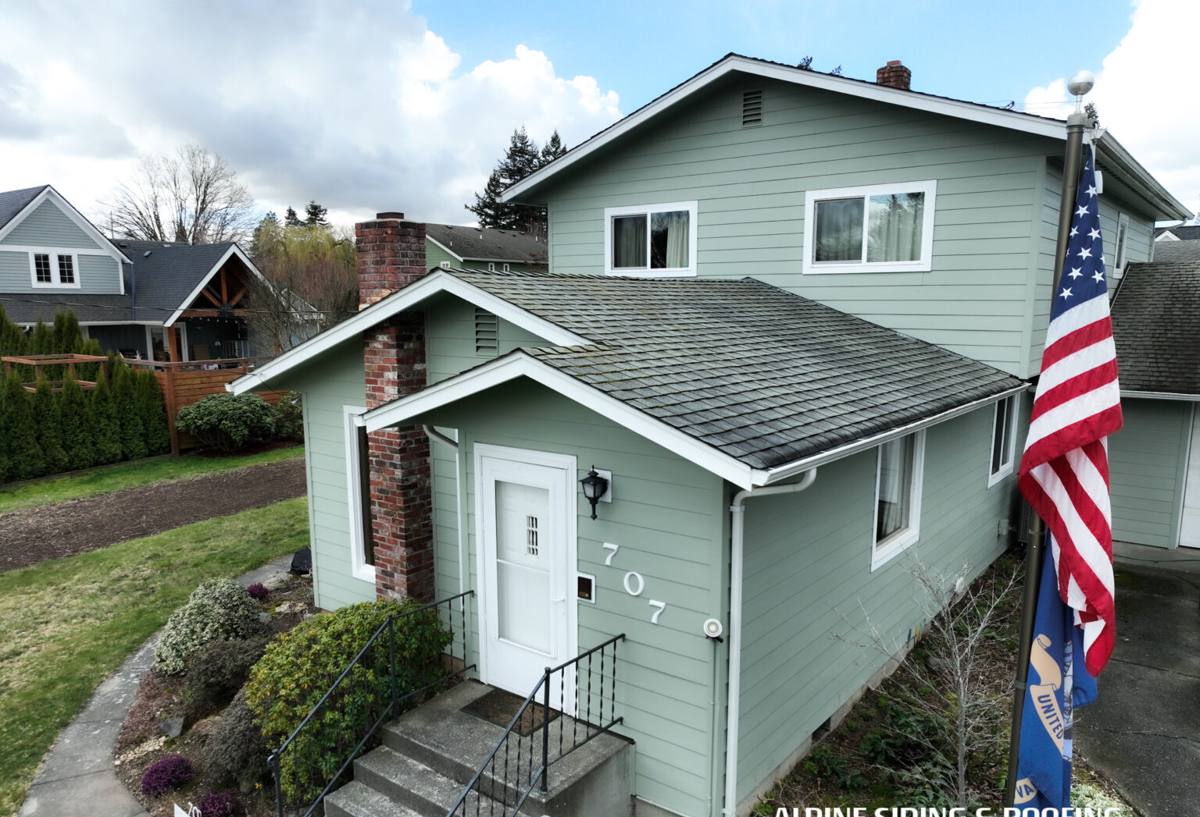
What Actually Counts as Storm Damage
Homeowners often picture storm damage as a dramatic hole in the roof or a pile of shingles in the yard. In practice, most storm damage we find in Clearwater is far less obvious and far more common. Understanding the categories helps you know what to look for and what to describe accurately if you end up filing an insurance claim.
Wind Damage
Sustained tropical-storm or hurricane-force wind lifts shingle edges, breaks the adhesive seal strips, and can crease or fully detach shingles and ridge caps. Once that seal is broken, the shingle may look intact from the ground but no longer sheds water the way it's designed to.
Wind-Driven Rain Intrusion
This is the one that catches people off guard. Rain doesn't need a hole to get into a house — wind pushes it sideways and upward under shingle tabs, around vent boots, and through gaps in flashing that a straight-down rain would never reach. Days later, that shows up as a ceiling stain in a bedroom nowhere near where you'd expect a "leak."
Impact Damage
Hail is less frequent here than in some parts of the country, but wind-thrown debris — branches, palm fronds, loose gutters, even roofing material from a neighboring structure — is a real and recurring cause of bruised or punctured shingles in coastal Florida storms.
Granule Loss and Accelerated Wear
A storm can strip protective granules from asphalt shingles without breaking the shingle itself. The roof still "looks fine" from the street, but the UV protection is gone in those spots, and that section will age and fail faster than the rest of the roof for the remainder of its life.
Why Clearwater Roofs Are Especially Exposed
Every roof in Pinellas County deals with heat and humidity, but proximity to the water adds a layer most inland Florida homes don't face to the same degree. Salt air corrodes exposed metal — nail heads, flashing edges, gutter fasteners — faster than it would a few miles inland, which means fasteners that are already slightly compromised are more likely to let go in high wind. Combine that with the fact that many Clearwater-area homes have roofs installed or last replaced more than 15 years ago, and you get a situation where a storm that a newer roof would shrug off can expose real weak points in an older one.
None of this means older roofs are doomed — it means storm damage on an older roof deserves a closer look, because the same wind event can affect it differently than it would a roof installed in the last five to seven years.
How We Approach a Storm Damage Repair
Our process is built around getting an accurate picture of the damage before any repair work starts, because a rushed patch on top of unseen problems just means a second repair later.
1. Initial Inspection
We walk the roof (or use a drone when the pitch or condition makes that safer) and check both the obvious damage and the areas most likely to hide problems: ridge lines, valleys, penetrations for vents and pipes, and flashing around chimneys or walls. We also check the attic from the inside when accessible, since interior staining or damp insulation often tells us more than the exterior does.
2. Emergency Mitigation
If there's active water intrusion or exposed decking, stopping further damage comes first. That usually means tarping the affected area properly — not just draping plastic over it — so the house is protected while repair work is scheduled.
3. Documentation
We photograph and note the damage in a way that's useful whether you're filing an insurance claim or just want a clear record of what was found and fixed. This step matters more than people expect — vague documentation is one of the most common reasons storm claims get delayed or underpaid.
4. The Repair Itself
Depending on scope, this ranges from replacing a section of shingles and re-sealing flashing to more involved decking repair if water has compromised the wood underneath. We match materials to what's already on the roof wherever possible so the repair blends in and performs consistently with the surrounding roofing.
5. Final Walkthrough
We go over what was found, what was repaired, and what — if anything — is worth keeping an eye on going forward, especially if the roof is older and this repair is buying you time rather than being a full replacement.
Repair vs. Replacement: How We Help You Decide
Not every storm-damaged roof needs to come off. The honest answer depends on the roof's age, how widespread the damage is, and whether the underlying decking and underlayment are still sound. The table below is a general guide — every roof still needs an actual inspection before that call gets made.
| Situation | Typical Approach | Why |
|---|---|---|
| Isolated wind damage, roof under 10 years old | Targeted repair | Underlayment and decking are likely still sound; a patch will hold and match well |
| Scattered damage across an older roof (15+ years) | Repair now, plan replacement timeline | Repair stops the immediate leak, but the roof's overall remaining life should factor into your decision |
| Widespread shingle loss or exposed decking | Full or partial replacement | Underlayment integrity is compromised over too large an area for spot repair to be reliable |
| Repeated leaks in the same area after prior repairs | Deeper investigation, likely replacement of that section | Recurring leaks usually mean the root cause wasn't fully addressed the first time |
Working With Your Insurance Claim
Storm damage claims move faster and go smoother when the documentation is solid from the start. A few things we consistently see make a difference for Clearwater homeowners:
- Photograph visible damage yourself as soon as it's safe to do so, before any tarping or cleanup changes the scene
- Keep a simple record of the storm date and any local weather reporting, since insurers often tie claims to specific named storms or dated events
- Get a professional inspection before the adjuster visit so you know what to expect and aren't relying solely on a quick walk-around
- Ask for an itemized scope of repair, not just a lump-sum estimate — adjusters and contractors both work better from specifics
- Avoid signing anything from door-to-door "storm chasers" before you've had a local company give you a second opinion
We're happy to walk a roof and provide documentation whether or not you end up filing a claim — sometimes the damage is minor enough that a straightforward repair makes more sense than going through insurance at all.
Signs You Should Have Your Roof Checked After a Storm
Some storm damage announces itself immediately. Most doesn't. If you've had a tropical storm, strong squall line, or sustained high wind move through the Clearwater or Seminole area recently, it's worth checking for these signs even if nothing looks obviously wrong:
- Shingle granules collecting in gutters or at downspout outlets
- Any shingle that looks lifted, curled, or slightly out of alignment with its neighbors
- New or worsening ceiling stains, especially after rain
- A musty smell in an upstairs room or attic space
- Visible daylight through the attic decking
- Loose or missing ridge cap pieces along the roof's peak
- Debris — branches, fronds, or material from elsewhere — that landed on and stayed on the roof
Why a Roof That's Been Repaired Once Deserves a Real Fix, Not a Patch on a Patch
We see a fair number of Clearwater roofs that have had multiple small repairs stacked on top of each other over the years, often from different contractors using different materials. Each individual patch might have been reasonable at the time, but the cumulative effect is a roof with inconsistent flashing details and mismatched materials that don't age the same way. When we're brought in for storm damage on a roof like that, part of our job is figuring out whether the current damage is isolated or whether it's exposing the limits of prior patchwork — and being straightforward with you about which one it is.
Why Hiring a Local Crew Matters
After any significant storm, it's common to see traveling repair crews going door to door in affected neighborhoods. Some do fine work; many are gone long before a warranty issue would ever surface. Working with a company based in the Seminole and Clearwater area means the people repairing your roof are the same people you can call next year, or in five years, if something needs attention. It also means we already understand the local permitting process, the wind and building code requirements that apply in Pinellas County, and how homes in this specific area tend to age given the coastal climate — none of which a crew passing through after a storm has any reason to know.
Get a No-Pressure Roof Assessment
If a recent storm has you wondering whether your roof took real damage or just cosmetic wear, the only way to know for sure is a proper inspection. We provide free, honest assessments for homeowners in Clearwater and throughout the Seminole area — no pressure, no inflated scope, just a clear look at what's actually going on up there and what it would take to fix it right. Fill out the form below to schedule your free estimate.