 Seminole Siding
 Asphalt Shingle Roofing Built for Treasure Island's Barrier Island Conditions
Treasure Island sits out on the Gulf, separated from the mainland by open water and connected back to Seminole and the rest of Pinellas County by a short drive across the causeway. That location is what makes the island beautiful, and it's also exactly what makes roofing there harder than roofing three miles inland. A house on Treasure Island takes a steadier beating from salt-laden air, direct Gulf wind, and reflected UV off the water than a comparable house tucked into a neighborhood further from the coast. An asphalt shingle roof can absolutely hold up out there for its full service life, but only if it's installed with that environment in mind from the first nail.
This page is about that one job, done right, for that one area: asphalt shingle roofing on Treasure Island homes, installed by a crew that already works Seminole and the surrounding barrier islands and knows what the salt air does to a roof over time.
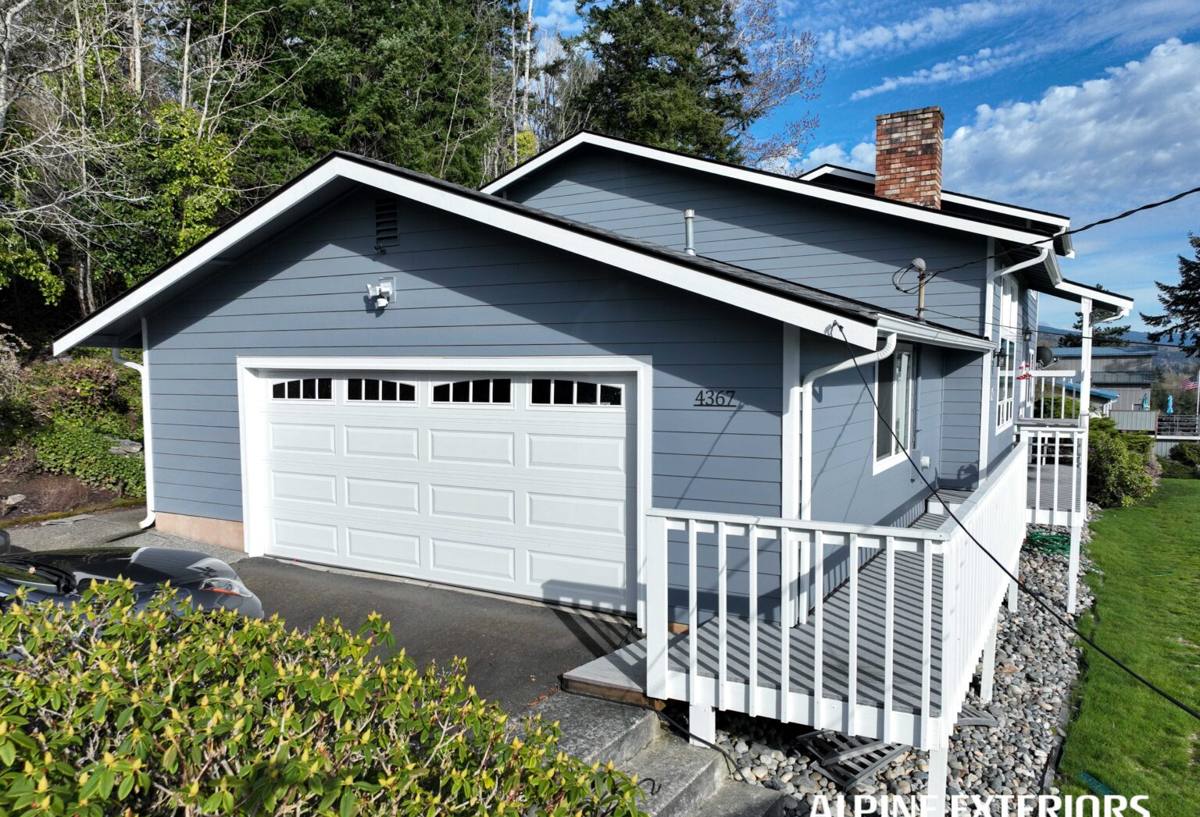
What Treasure Island's Climate Actually Does to a Shingle Roof
Every roofer will tell you Florida is hard on roofs. Treasure Island is a step beyond that, for a few specific reasons:
Salt Air and Corrosion
Being surrounded by Gulf water means airborne salt is a constant, not an occasional thing after a storm. Salt accelerates corrosion on any exposed metal — nail heads, drip edge, flashing, vent stacks, and pipe boots. On a standard inland roof, cheap or under-spec'd metal might last long enough that nobody notices the shortcut. On Treasure Island, it shows up faster: rust streaks, weakened fasteners, and flashing that fails years before the shingles around it do.
Intense, Near-Constant UV
Open exposure to sun off the water means little to no shade relief for most rooflines on the island. UV breaks down the asphalt in shingles over time, drying out the mat and causing granule loss, which is the main visible sign of a shingle roof aging out. Roofs with more shade elsewhere in Pinellas County simply don't take this same steady dose.
Wind-Driven Rain
Storms off the Gulf don't just drop rain, they drive it sideways under wind pressure. That matters because a shingle roof's water resistance depends heavily on details most people never see — underlayment coverage, how flashing is layered, and how well the roof deck is sealed at seams and penetrations. Wind-driven rain finds any weak point in that system and gets underneath the shingles rather than running off the top of them.
Hurricane-Force Wind Loads
Barrier island properties are directly exposed to the leading edge of tropical systems. Shingle uplift starts at the edges and ridges of a roof, where wind pressure is highest, so those are exactly the areas where fastening pattern and product wind rating matter most. A roof that's fine in a routine summer storm can still lose shingles in a named storm if it wasn't installed to the wind exposure the location actually calls for.
What a Correct Asphalt Shingle Install Looks Like Out Here
None of this is exotic. It's standard roofing practice applied without skipping steps, because on Treasure Island the margin for a shortcut is smaller.
- Full tear-off to the deck rather than a shingle-over-shingle overlay, so the roof deck can actually be inspected and repaired where needed
- Deck repair or replacement of any soft, delaminated, or water-damaged sheathing before anything goes back down
- A high-wind-rated underlayment installed with full, proper overlap — not just enough to pass a quick look
- Corrosion-resistant fasteners and flashing, given how much faster standard metal degrades this close to the Gulf
- Correct nailing pattern and nail placement per the shingle manufacturer's high-wind installation instructions, not the minimum code pattern
- Properly layered step and counter-flashing at walls, chimneys, and any roof-to-wall transitions
- New pipe boots and vent flashing rather than reusing old ones, since these are common failure points in salt air
- Balanced attic ventilation, which affects both shingle temperature (and lifespan) and moisture control inside the attic
- Ridge and hip detailing done to the same wind-rated standard as the field of the roof, since these edges see the highest uplift pressure
Skipping any one of these doesn't necessarily show up on day one. It shows up two or three years later as a leak, a lifted shingle, or premature granule loss — usually right after the kind of wind event that a properly installed roof would have shrugged off.
Choosing the Right Shingle for a Gulf-Facing Roof
Not every asphalt shingle product is a good fit for direct coastal exposure. The differences that matter most here are wind rating, algae resistance, and how the shingle is constructed.
| Shingle Type | Typical Wind Rating | Best Fit for Treasure Island |
|---|---|---|
| Standard 3-tab | Lower wind rating, lighter weight | Generally not our recommendation for direct Gulf exposure |
| Standard architectural (laminate) | Moderate to high, varies by product | Workable if paired with high-wind installation details |
| High-wind-rated architectural | Highest available in asphalt shingle lines | Our default recommendation for exposed, water-facing roofs |
| Algae-resistant (AR) granule shingles | Same as base product line | Worth the upgrade given humidity and salt air staining |
Color and granule quality matter here too. Lighter granule colors reflect more heat, which can help with attic temperatures and long-term UV wear, while algae-resistant granules help slow the dark streaking that humid, salt-air environments tend to accelerate on any roof, light or dark. We'll walk through the actual product lines and their manufacturer wind ratings during your estimate rather than guessing at specs here — ratings and warranty terms change by product line and are worth confirming directly.
How We Approach a Treasure Island Roofing Job
1. Inspection and Honest Assessment
We start on the roof, not with a sales pitch. That means checking the deck condition, existing flashing, ventilation, and how much of the wear is UV/age versus storm damage. If a repair is genuinely the right call instead of a full replacement, we'll say so.
2. A Clear, Written Scope
Before any work starts, you get a plan that spells out the shingle product, underlayment, flashing approach, and fastening standard — not a vague line item that just says "roof."
3. Tear-Off and Deck Prep
Old material comes off, the deck gets inspected board by board, and any damaged sheathing is replaced before new underlayment goes down.
4. Installation to High-Wind Standards
Underlayment, flashing, and shingles go on in that order, following the nailing pattern and edge detailing suited to Gulf-front wind exposure, not just the local code minimum.
5. Site Cleanup and Final Walkthrough
Debris and old material are hauled off, nails are swept with a magnetic sweep, and we walk the finished roof with you before calling it done.
Why It Matters That We Already Work Treasure Island
Barrier island logistics are genuinely different from a standard mainland job. Access, staging, and material delivery on a narrow island lot take more planning than a typical Seminole subdivision job. A crew that regularly works Treasure Island already knows how to route trucks and stage material without turning your street into a problem for the neighbors, and already understands the wind exposure categories that apply out there versus a few miles inland.
There's also a permitting angle. Pinellas County and local jurisdictions have specific requirements for roofing permits, wind mitigation documentation, and inspections, and those requirements matter for insurance purposes as much as for code compliance. A properly permitted, wind-mitigation-compliant roof can affect your windstorm insurance premium, and getting that paperwork right the first time saves you a headache later. This isn't unique to us, but it's exactly the kind of detail that separates a crew that treats a barrier island job like any other roof from one that treats it like the distinct job it actually is.
Maintenance That Actually Extends a Shingle Roof's Life Here
A correct install is the foundation, but a few ongoing habits make a real difference on a Gulf-facing roof:
- Have the roof visually checked after any named storm, even if nothing looks obviously wrong from the ground
- Keep gutters and valleys clear so wind-driven rain has a clean path off the roof rather than pooling at a seam
- Rinse off heavy salt residue or debris buildup periodically rather than letting it sit against the shingles
- Address a small flashing leak or lifted shingle immediately — in this climate, small problems don't stay small for long
- Schedule a professional inspection every couple of years, not just when there's an obvious problem
What This Costs, and What Drives the Number
We won't quote a price without seeing the roof, but the main factors that move the number on a Treasure Island job are worth knowing up front:
| Factor | Why It Affects Cost |
|---|---|
| Roof size and pitch | More surface area and steeper slopes both add material and labor time |
| Deck condition underneath | Rotted or delaminated sheathing found at tear-off has to be replaced before install |
| Shingle product tier | High-wind-rated and algae-resistant lines cost more than standard architectural shingles |
| Flashing and penetration count | More chimneys, skylights, and vent penetrations mean more detail work |
| Access and site logistics | Barrier island staging and material delivery can add time versus a standard mainland lot |
| Permitting and wind mitigation documentation | Proper documentation takes time but can pay off in insurance savings |
Two roofs of the same square footage on Treasure Island can land at meaningfully different prices depending on deck condition alone, which is why we inspect before we quote rather than pricing off a satellite photo.
Get a Straight Answer on Your Roof
If your Treasure Island home needs a new asphalt shingle roof, or you're not sure whether what you're seeing is normal wear or a real problem, we're glad to take a look. We'll give you a clear, no-pressure estimate and tell you honestly what your roof needs — nothing more, nothing less. Fill out the form below to get started.