 Seminole Siding
 Siding Built for a Barrier Island, Not Just "Florida"
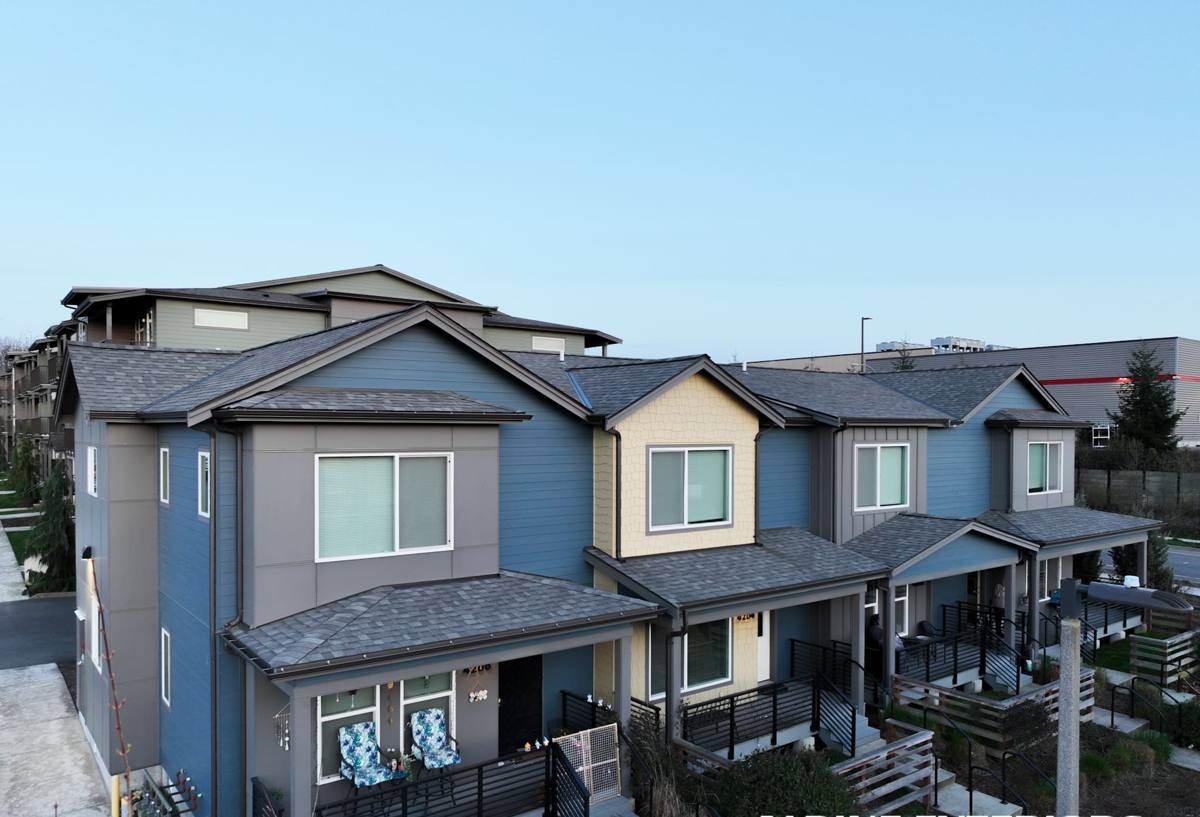
Treasure Island homes deal with a harder version of the same climate the rest of Seminole and Pinellas County face. Being a barrier island means salt-laden air is constant, not occasional, and it reaches every side of a house, not just the side facing the Gulf. Add in direct hurricane exposure, sustained UV, and wind-driven rain that hits at steep angles off the water, and you have a set of conditions that separates siding that lasts from siding that fails early. When we install siding on Treasure Island, we're not just following a general Florida coastal spec — we're accounting for a barrier island's specific combination of salt, wind, and sun.
This page covers what that means in practice: what local homes actually need from their siding, what a correct installation involves in this environment, how our process works, and why experience specific to this stretch of coastline matters more here than almost anywhere else in the county.
What Treasure Island's Climate Does to Siding
Salt Air, Every Day
Salt aerosol off the Gulf doesn't just affect homes directly on the water — it travels across the entire island on prevailing winds. Over years, that salt exposure accelerates corrosion of exposed metal fasteners and trim, degrades poor-quality paint finishes faster than inland areas, and works into any gap or seam in a siding system that wasn't properly sealed. Materials and finishes that hold up fine forty miles inland can underperform noticeably here.
Hurricane-Force Wind Loads
Pinellas County's building code accounts for high-velocity wind zones, and a barrier island location like Treasure Island sits at the more demanding end of that range. Siding here needs to handle sustained wind pressure and the sudden pressure changes that come with tropical storms and hurricanes — not just resist a stiff breeze. That's a function of the fastening pattern and installation method as much as the product itself.
Wind-Driven Rain
Rain on Treasure Island rarely falls straight down during storms — it's pushed sideways by Gulf winds and driven up under laps, around penetrations, and into any gap in the water-resistive barrier. A siding system depends on correct flashing, house wrap detailing, and lap spacing to keep that water moving out and down instead of into the wall assembly.
Intense, Year-Round UV
Florida's sun angle and number of sun-hours per year are hard on painted and coated surfaces. Cheaper paint systems chalk, fade, and lose adhesion faster under this kind of UV load, which is why the factory finish on the siding matters as much as the siding material itself.
Why This Matters More for a Neighborhood Like Treasure Island
A lot of siding contractors work primarily inland and treat every job the same way. On a barrier island, that approach shows up as callbacks: caulk failures at trim joints, fastener corrosion staining the finish, paint that fades unevenly within a few years, or moisture intrusion at penetrations that weren't flashed for wind-driven rain. None of these are "bad luck" — they're the predictable result of installing a product, or installing it a way, that wasn't matched to this specific exposure level.
Homes here also tend to be older beach cottages, raised coastal builds, and mid-century construction mixed with newer builds, which means every installation has to be assessed on its own wall assembly, substrate condition, and existing moisture history rather than treated as a standard swap.
Why We Install Only James Hardie Fiber Cement
We standardized on James Hardie siding for every home we work on, including Treasure Island, because it's engineered to hold up to exactly this combination of conditions:
- Non-combustible material — fiber cement doesn't burn, rot, or provide a food source for pests, which matters in humid coastal conditions where organic growth is a constant pressure.
- ColorPlus factory finish — baked-on, UV-cured color that resists fading and chalking far better than field-applied paint, which matters given the sun exposure here.
- HZ5 product engineering — James Hardie's HZ5 line is specifically formulated for the moisture and humidity conditions of climates like ours, as opposed to their inland-formulated products.
- Dimensional stability — fiber cement doesn't expand and contract with humidity swings the way wood-based or some engineered wood products can, which keeps joints and caulk lines intact longer.
- Strong transferable warranty — backed by a manufacturer warranty that stays credible over the decades this material is meant to last.
We don't install vinyl, LP SmartSide, Cemplank, Allura, or unfinished wood siding, and on a barrier island that decision matters even more than it does elsewhere in Seminole. Vinyl can warp and become brittle under sustained UV and heat; engineered wood products are more sensitive to sustained moisture exposure than fiber cement; unfinished or site-primed wood requires maintenance cycles that most homeowners underestimate in this climate. James Hardie is the product we're confident stands up to Treasure Island's specific conditions when installed correctly — and "installed correctly" is doing a lot of work in that sentence.
What a Correct Siding Installation Involves Here
Substrate and Moisture Assessment
Before any siding comes off, we check the condition of the sheathing and framing underneath. Coastal homes — especially older ones — sometimes have hidden moisture damage from years of small leaks. Installing new siding over compromised sheathing just locks the problem in.
Water-Resistive Barrier and Flashing
A correctly lapped house wrap or building paper, paired with proper flashing at every window, door, and penetration, is what actually keeps wind-driven rain out of the wall assembly. The siding itself is the second line of defense, not the first.
Fastening for Wind Load
Fastener type, spacing, and embedment all have to meet the wind load requirements for a high-velocity hurricane zone location like Treasure Island. This isn't a place to use the minimum fastening pattern allowed inland.
Joint and Trim Detailing
Butt joints, corner treatments, and trim-to-siding transitions are where most premature failures start. Correct caulking, proper gapping for material movement, and quality sealant products matter more here given the UV and salt exposure those joints face.
Manufacturer-Spec Installation
James Hardie's warranty depends on installation to their published specifications — clearances above grade and roofing, proper fastener schedules, correct lap and gap dimensions. Cutting corners on any of these can void warranty coverage even if the product itself is right.
| Factor | Why It Matters on Treasure Island |
|---|---|
| Fastener corrosion resistance | Constant salt air accelerates corrosion of the wrong fastener type |
| Wind load fastening pattern | Barrier island exposure requires code-compliant, often more aggressive, spacing |
| Flashing at penetrations | Wind-driven rain finds any gap; flashing does the real waterproofing |
| Factory-cured finish | Field-applied paint fades and chalks faster under year-round UV |
| Clearance above grade/roofline | Required for both moisture management and warranty compliance |
Our Process for a Treasure Island Project
- On-site assessment — we inspect existing siding, trim, and visible sheathing condition, and talk through what we find.
- Written estimate — a clear scope covering material, prep work, and any substrate repair identified during the assessment.
- Material and color selection — choosing from James Hardie's ColorPlus lines and profiles that suit the home and neighborhood.
- Tear-off and substrate check — removing existing siding and addressing any sheathing or framing issues before anything new goes on.
- Water-resistive barrier and flashing installation — the step that determines whether the wall stays dry long-term.
- Hardie installation to manufacturer spec — correct fastening, clearances, and joint detailing for this wind and moisture zone.
- Final walkthrough — reviewing the completed work with the homeowner before we consider the job done.
Questions Worth Asking Before You Hire
- Do you work on barrier island properties regularly, or mostly inland?
- What fastener type and spacing do you use for high-velocity hurricane zone compliance?
- How do you handle flashing at windows, doors, and other penetrations?
- What's your process if you find moisture damage in the sheathing once old siding is removed?
- Is your installation certified or compliant with James Hardie's warranty requirements?
Why Local, Coastal-Specific Experience Matters
A crew that regularly works Treasure Island and the surrounding Seminole and Pinellas County coastline has already seen how salt air, sun, and storm exposure affect siding installed the right way versus the wrong way. That experience shows up in small decisions — fastener choice, flashing details, how tight to run caulk joints — that a generic, inland-focused installation approach can miss. It also means we're familiar with the practical realities of working on a barrier island: property access, staging materials on smaller lots, and coordinating around the weather windows that matter for a clean install.
Get a Free, No-Pressure Estimate
If your Treasure Island home needs new siding, or you're planning ahead for a replacement, we're happy to take a look and give you an honest assessment of what your home actually needs. There's no obligation and no pressure — just a straight answer from a crew that installs James Hardie siding on homes like yours. Fill out the form below to schedule a free estimate.