 Seminole Siding
 Treasure Island Sits Right at the Edge of the Gulf
Treasure Island is a barrier island community just west of Seminole, and that geography changes what a window replacement actually needs to accomplish. Homes on the mainland get some buffering from the bay and the built-up areas around them. Homes on Treasure Island don't get that buffer — many sit within a few blocks of open Gulf water, with nothing between the window glass and the weather except distance. That means more direct salt exposure, more direct wind load during storm season, and a housing stock that includes a lot of older beach cottages and mid-century homes built long before today's impact glazing and wind-load standards existed.
We're based in Seminole and work this stretch of Pinellas County regularly, and Treasure Island comes up often specifically because of that exposure. A window that performs fine a few miles inland can be a genuine liability on a barrier island lot, not because the glass itself is different, but because the wind, salt, and storm surge risk it has to stand up to are more severe. This page covers what that means for a real window replacement project here — what the climate does to windows, what code requires, how we approach the installation, and what to actually look for in a contractor for this specific location.
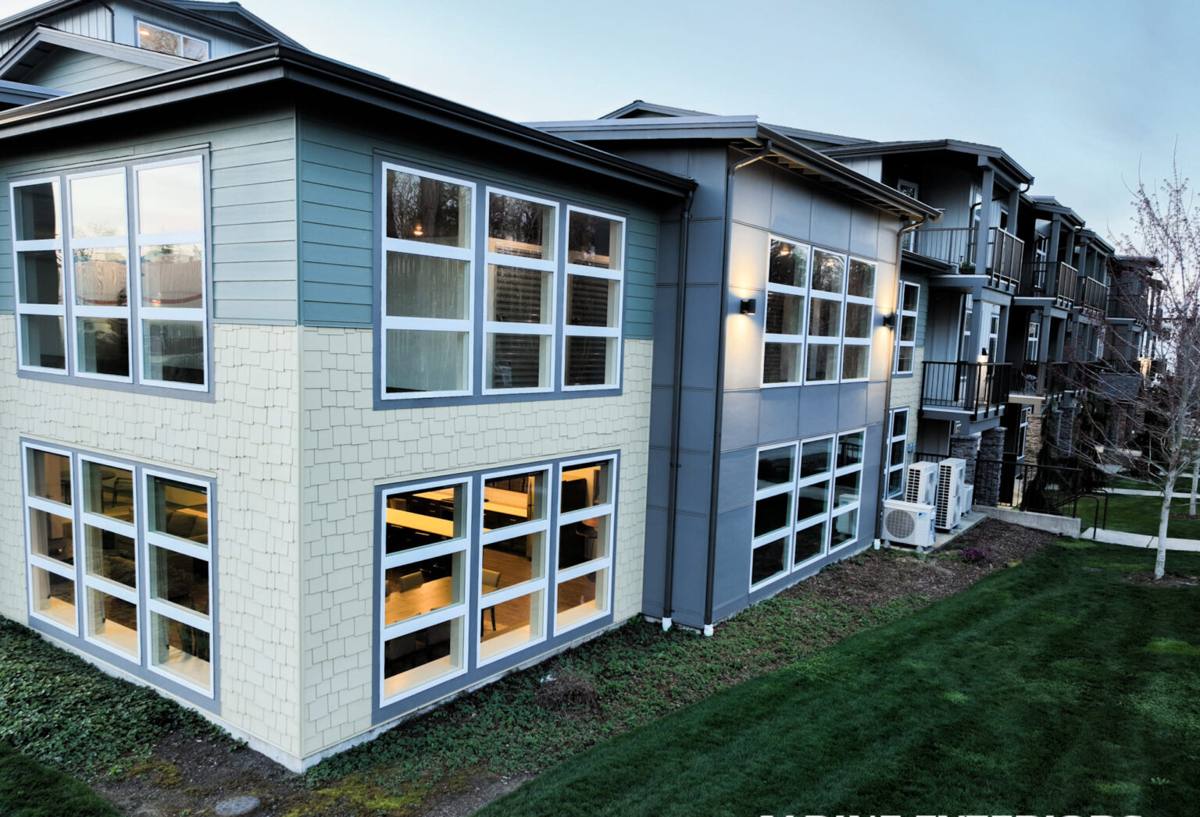
What This Environment Does to Windows
Salt Air and Corrosion
Airborne salt is heavier and more constant on Treasure Island than it is even a short distance inland in Seminole proper. It settles on glass, frames, and hardware every day, not just during storms, and it accelerates corrosion on lower-grade fasteners, hinges, and locking hardware well ahead of what you'd see on a mainland property. Aluminum-frame windows from decades past are especially prone to this — pitting, stiff or seized hardware, and corroded fastener heads are common on original beach-house windows that have never been replaced.
Wind-Driven Rain and Storm Wind Loads
Open water on multiple sides means wind hits Treasure Island with less to slow it down first. During tropical systems and even routine summer squalls, that translates into wind-driven rain forced sideways into window seams and rough openings, and sustained wind pressure on the glass and frame itself that inland homes simply don't experience to the same degree. A window that isn't rated and installed for that pressure is a weak point in the building envelope during exactly the events when the envelope matters most.
UV and Coastal Sun
Reflected sun off open water adds to an already intense Florida UV load, which is hard on window frames, seals, and finishes over time. Vinyl frames and gaskets that aren't built for sustained coastal sun exposure can degrade, discolor, or lose flexibility years earlier than the same products would inland, which is part of why frame material and finish quality matter more here than they would in a milder setting.
Humidity and Condensation
Between Gulf humidity and air conditioning running hard for most of the year, Treasure Island homes deal with a real temperature and moisture differential across window glass. Older single-pane windows and double-pane units with failed seals show this constantly as fogging, interior condensation, and moisture staining on sills — not just a comfort issue, but a sign the unit is no longer doing its job.
Signs a Treasure Island Home Needs Window Attention
- Fogging or visible moisture trapped between panes on a double-pane window
- Corroded, pitted, or seized hardware on older aluminum-frame windows
- Difficulty opening, closing, or locking a window that used to work smoothly
- Frames that feel soft, chalky, or show visible pitting from salt exposure
- Visible daylight, gaps, or drafts around the frame where it meets the wall
- Water staining on interior sills, trim, or drywall below a window after storms
- Original single-pane or non-impact windows with no documented upgrade history
Any one of these on its own isn't necessarily an emergency, but on a barrier island property they're worth taking seriously before the next storm season rather than after a named storm finds the weak point for you.
Impact-Rated Glazing and Florida Building Code
Pinellas County, including Treasure Island, falls within the wind-borne debris region of the Florida Building Code, which affects what's required for window protection on new installations and many replacements. In practice, that means openings generally need to be protected either with impact-rated windows or with code-compliant shutters or panels, and the specific requirement for a given property depends on factors like location, elevation, and the scope of the permit — details we confirm during the estimate rather than guessing at up front.
Impact-rated windows use laminated glass with an interlayer that holds the glass in place even when the outer surface cracks under debris impact, paired with a frame and anchoring system engineered to stay in the opening under storm wind pressure. That's a meaningfully different product from standard replacement glass, and it's worth understanding the difference before comparing quotes, because a lower bid on non-impact glazing isn't a fair comparison to an impact-rated quote if code requires impact protection for your property.
Replacement vs. Repair: How We Make the Call
Not every window on a Treasure Island property needs full replacement. A window with sound aluminum or vinyl framing and functional hardware but a failed seal can sometimes be repaired. A window with corroded framing, storm damage, or hardware that's been failing for years usually can't be fixed in a way that lasts, especially given what this location asks of a window long-term.
| Condition | Repair Often Makes Sense | Replacement Usually Makes Sense |
|---|---|---|
| Fogged glass, sound frame and hardware | Yes — reglaze or seal replacement | Only if frame is also compromised |
| Stiff, corroded, or broken hardware | Sometimes — hardware replacement | Yes, if corrosion has reached the frame |
| Original single-pane, non-impact glazing | Rarely a lasting fix given code and exposure | Yes |
| Storm or debris damage to frame or glass | Case by case | Yes, in most cases |
| Persistent leaks despite recent sealing | Sometimes, if flashing is the actual cause | Yes, if the unit itself is the source |
What a Correct Window Installation Involves
On a barrier island property, the installation detail matters as much as the window unit itself. We spend real time on flashing and integration with the surrounding wall, because a well-rated window installed with sloppy flashing will still leak in wind-driven rain, and an impact-rated unit that isn't anchored to the manufacturer's specified fastening schedule doesn't deliver the wind performance its rating assumes.
- Removal of the existing window and inspection of the rough opening for rot, corrosion, or prior water damage
- Repair of any compromised framing or sheathing found during removal, before the new unit goes in
- Proper flashing integration with the existing wall assembly, lapped to shed water outward
- Installation anchored to the manufacturer's specified fastening schedule for our wind zone
- Sealing at every seam with materials rated for sustained coastal moisture and UV exposure
- Interior and exterior trim work finished to match the surrounding wall
- Final walkthrough covering operation, hardware, and care in a salt-air environment
Choosing a Window Package for a Barrier Island Home
We talk homeowners through real trade-offs rather than pushing one brand as the only answer, but a few things matter more here than they would a few miles inland.
- Glazing rating: Impact-rated laminated glass is the standard we recommend for this location, both for code compliance and for what it means during an actual storm.
- Frame material and hardware grade: Corrosion-resistant hardware and frame materials built for sustained salt exposure hold up meaningfully longer here than standard-grade components.
- Low-E glazing: A quality low-E coating helps with both energy costs and reducing the interior condensation that comes with running air conditioning hard against Gulf humidity.
- Warranty structure: A manufacturer warranty only covers what it covers — we stand behind our installation work separately from the product warranty, because installation is what determines whether a rated window actually performs like one.
Why a Crew That Already Works Treasure Island Matters
Barrier island jobs come with logistics that don't apply on a typical mainland property — tighter lot access, elevated or stilt construction on some homes, condo and HOA coordination on others, and permitting that has to account for the wind-borne debris region requirements specific to this location. A crew that already works Treasure Island regularly has been through that permitting process, knows what the local building department is actually looking for, and isn't learning barrier island access and staging logistics for the first time on your project.
It also matters for honesty about scope. Because we work throughout this part of Pinellas County, we've seen how corrosion, storm exposure, and prior repair work actually play out on Treasure Island specifically, which means fewer surprises mid-project and a more accurate estimate up front.
How Windows Fit Into the Rest of the Home's Exterior
Windows rarely fail in isolation from the rest of the building envelope. We handle siding, roofing, windows, and decks, because a window replacement done without attention to the surrounding siding and flashing can look fine for a season and still leak, sending water into the wall assembly instead of staying visible. When we quote window work on a Treasure Island home, we're looking at how it ties into the wall and roof system around it, not just the opening itself, and we'll tell you honestly if something else needs attention first.
If you're on Treasure Island and dealing with aging, corroded, or storm-damaged windows — or just want a straightforward look at what code requires for your property — we're happy to come out and give you a free, no-pressure estimate using the form below.